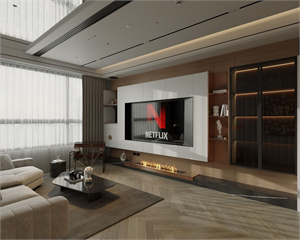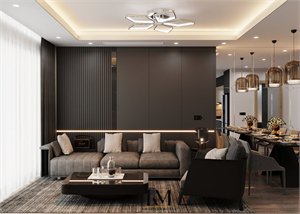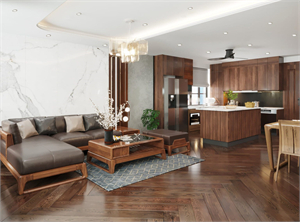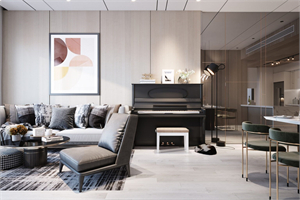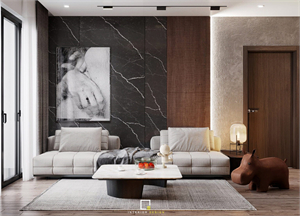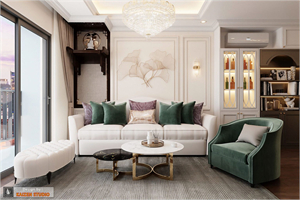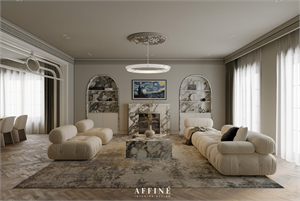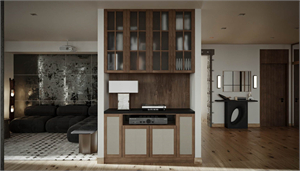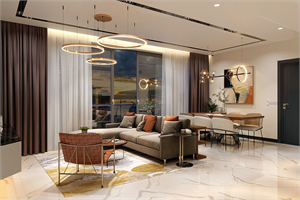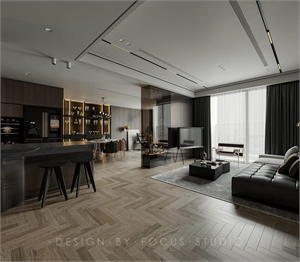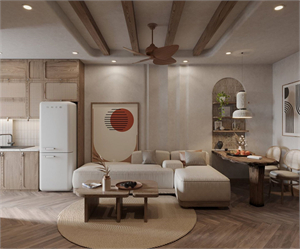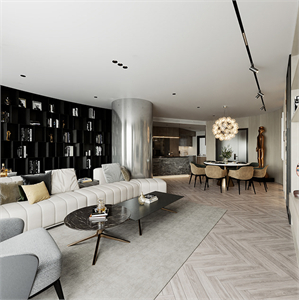
## 3D Interior Apartment 197 Scene File: A Deep Dive into Phan Thanh Duong's Design
This comprehensive guide explores the intricacies of the *3D interior apartment scene file*, "Apartment 197," created by Phan Thanh Duong using *3ds Max*. We'll delve into the various aspects of this digital creation, from its technical specifications and artistic choices to its potential applications and the overall impact it achieves. Understanding the details behind this design offers valuable insights into the world of *3D modeling*, *interior design*, and digital asset creation.
Part 1: Unveiling the Scene: Technical Specifications and Software
The "Apartment 197" scene file, developed in *3ds Max*, represents a sophisticated achievement in *3D modeling* and *interior visualization*. This isn't simply a collection of *3D objects*; it's a carefully orchestrated environment meticulously crafted to evoke a specific mood and atmosphere. The file likely contains a multitude of *polygonal meshes*, representing the various *furniture*, *architectural elements*, and *decorative objects* within the apartment. The level of detail will be a key indicator of its quality, influencing factors like rendering time and file size.
* 3ds Max: The use of *3ds Max* immediately signals a professional approach. This powerful *3D modeling software* allows for complex geometry, sophisticated lighting setups, and advanced material definitions. The artist's familiarity with this software is evident in the likely seamless integration of different *3D models* and textures within the scene.
* Scene Complexity: The *scene complexity* is crucial. A high-polycount scene, while visually rich, demands significant system resources for rendering. A well-optimized scene, however, balances visual fidelity with computational efficiency. We can speculate on the likely inclusion of techniques such as *level of detail (LOD)* models, which switch to simpler versions of objects at a distance to improve performance.
* Material and Texture Mapping: The *realistic rendering* of the apartment heavily depends on the quality of the *materials* and *textures*. Phan Thanh Duong likely employed high-resolution *textures* for walls, floors, furniture, and fabrics, providing a sense of tactile realism. *Normal maps*, *specular maps*, and other mapping techniques would likely be used to enhance the surface detail and reflectivity of objects, giving depth and realism to the visuals.
* Lighting Setup: The *lighting* is paramount in setting the mood and atmosphere. The file likely incorporates a variety of light sources, from ambient lighting to *point lights*, *spotlights*, and possibly even *global illumination* techniques. The *lighting* setup plays a crucial role in casting shadows, highlighting textures, and creating realistic reflections, ultimately contributing to the overall visual impact of the scene.
Part 2: Artistic Interpretation: Design Choices and Aesthetics
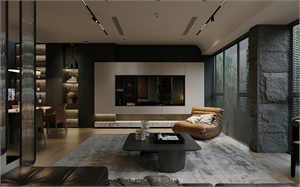
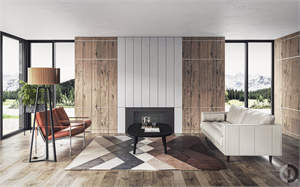
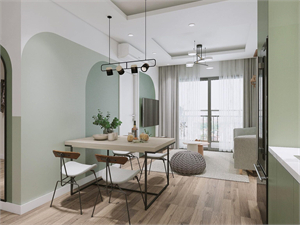
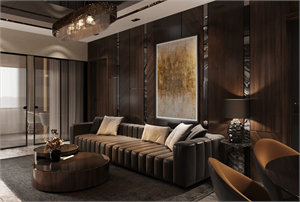
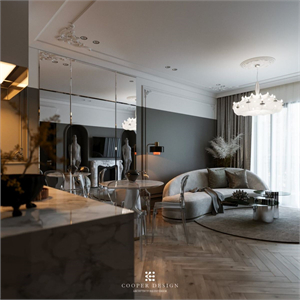
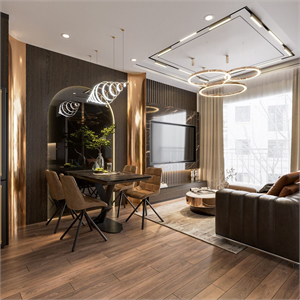
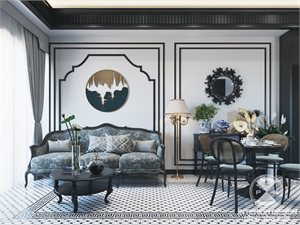
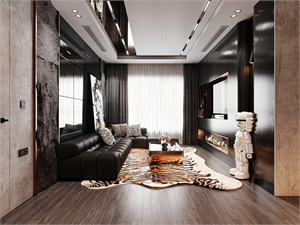
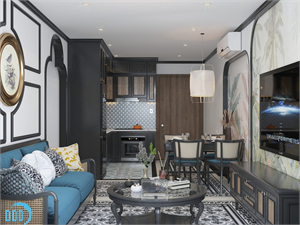
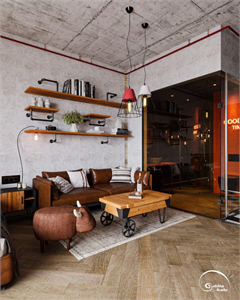
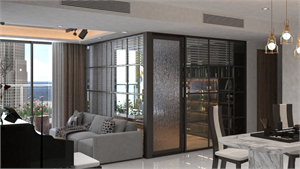
Beyond the technical aspects, the "Apartment 197" scene reflects specific *artistic choices* and *design aesthetics*. The *interior design* style, the color palette, and the overall ambiance are all carefully considered elements.
* Style and Aesthetics: The "Apartment 197" designation suggests a potential *retro* or *vintage* aesthetic, hinting at a design language potentially influenced by the architectural styles prevalent around 1970. This might manifest in furniture styles, color schemes, and the overall spatial arrangement. Analysis of the scene file would reveal more concrete details.
* Color Palette: The *color palette* chosen significantly impacts the mood. Warm earthy tones might suggest comfort and coziness, while cooler shades could convey a modern and minimalist feel. The *color balance* and their interplay are key components in establishing the intended atmosphere.
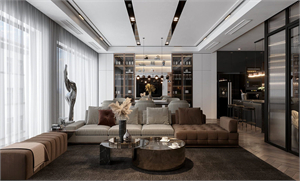
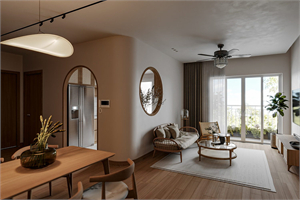
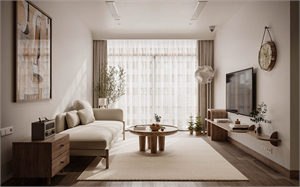
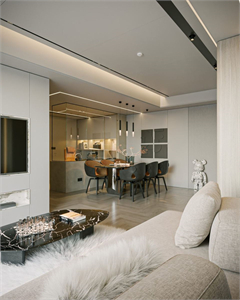
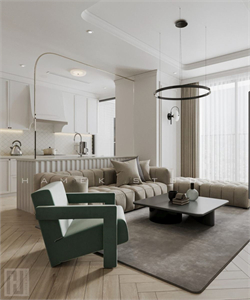
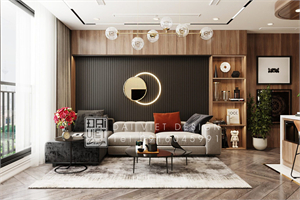
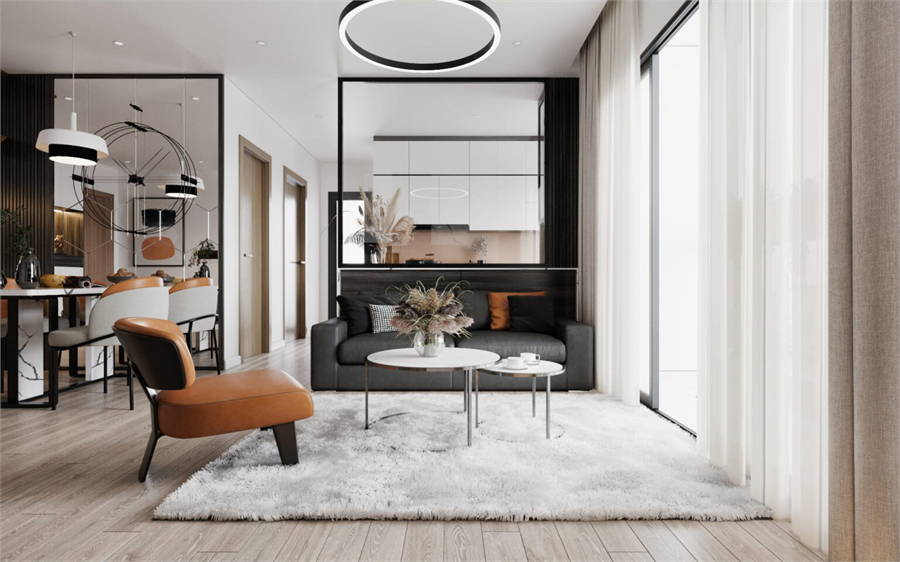
* Furniture and Furnishings: The *furniture* selection and arrangement within the *apartment* are critical elements of interior design. The chosen pieces would reflect the overall aesthetic, contributing to the narrative and functionality of the space. Each piece selected likely serves a purpose in establishing a coherent and believable environment.
* Spatial Arrangement: The *spatial arrangement* of the *furniture* and the overall layout of the apartment would showcase the designer's understanding of spatial dynamics. Efficient use of space, the creation of flow, and the establishment of distinct zones within the apartment are essential elements in good interior design.
* Details and Accents: The inclusion of smaller *details* and *accents* such as plants, artwork, and decorative items adds personality and depth to the scene. These *decorative elements* contribute significantly to the overall visual richness and help to tell a story about the inhabitants of the apartment.
Part 3: Applications and Potential Uses of the 3D Model
The "Apartment 197" scene file, due to its high quality and detail, offers numerous potential applications within various industries and creative fields.
* Architectural Visualization: The primary application would likely be in *architectural visualization*. It could be used to present a realistic portrayal of the designed apartment to clients or potential buyers, showcasing the space and its features effectively. This is crucial in conveying the intended atmosphere and functionality.
* Interior Design Portfolio: The scene serves as a strong addition to an *interior designer's portfolio*, demonstrating the designer's proficiency in 3D modeling and their stylistic vision. The quality and realism of the scene would greatly enhance its impact.
* Game Development: With adjustments and optimization, this scene could find applications within *game development*. Its detailed elements could be used as a basis for creating virtual environments within a video game.
* Film and Animation: The high level of detail present within the scene makes it suitable for use as a background or set piece in *film* or *animation* projects. The realistic rendering contributes to the immersive nature of the overall media piece.
* Virtual Reality and Augmented Reality (VR/AR): The *3D model* could be adapted for use in *VR/AR applications*, offering interactive experiences within the virtual apartment environment.
Part 4: Conclusion: The Value of "Apartment 197"
Phan Thanh Duong's "Apartment 197" scene file stands as a testament to the power of *3D modeling* in bringing interior design concepts to life. The meticulous attention to detail, the careful selection of *materials* and *textures*, and the masterful *lighting* setup all contribute to a highly realistic and visually appealing digital environment. Its potential applications span various creative industries, showcasing its versatility and value as a high-quality digital asset. The scene offers a valuable resource for learning, appreciation, and application within the fields of *3D modeling*, *interior design*, and digital content creation. The detailed work in this file highlights the importance of technical skill combined with artistic vision in producing compelling and realistic digital environments. The file’s existence encourages further exploration and experimentation in the realm of virtual interior design.