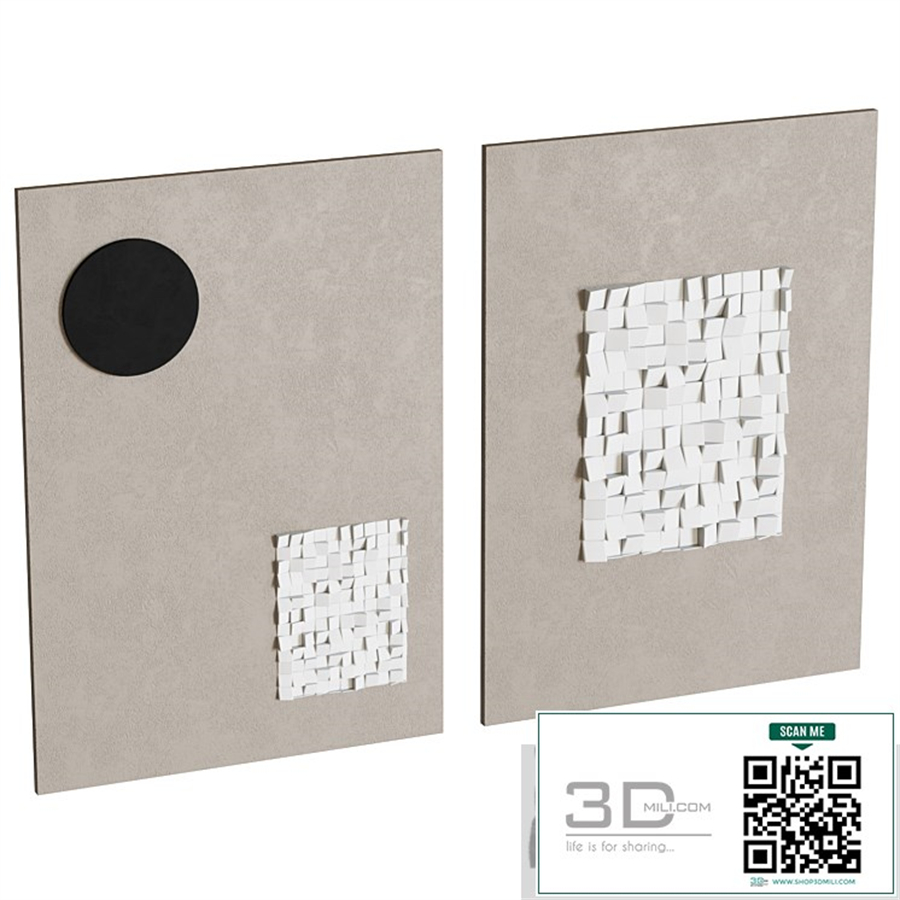
## Abstract 3D Panels: A Design Exploration
### Part 1: Introduction - The Allure of Depth and Dimension
The world of interior and exterior design is constantly evolving, driven by a desire for innovation and visual impact. One significant trend that continues to captivate designers and homeowners alike is the incorporation of _three-dimensional_ elements. Moving beyond flat, two-dimensional surfaces, _abstract 3D panels_ offer a unique opportunity to add texture, depth, and a striking visual presence to any space. These panels, far from being mere decorative additions, represent a powerful tool for sculpting the atmosphere of a room, influencing the flow of light, and creating a truly memorable design statement. This exploration delves into the diverse applications, design considerations, and manufacturing techniques associated with _abstract 3D panels_, highlighting their potential to transform both residential and commercial environments.
The appeal of _abstract 3D panels_ stems from their ability to transcend the limitations of traditional flat surfaces. They introduce an element of surprise and intrigue, drawing the eye and stimulating the imagination. Unlike standard wall coverings, these panels actively participate in the spatial narrative, creating visual rhythm and dynamic interplay of light and shadow. This makes them exceptionally versatile, suitable for a vast range of styles, from minimalist and modern to eclectic and maximalist. The inherent flexibility in design and material allows for bespoke creations, tailored to meet the specific requirements and aesthetic preferences of individual projects.
This exploration will consider the following aspects: the diverse _materials_ used in their creation, the various _design techniques_ employed to achieve unique aesthetic effects, the practical considerations of _installation_, the impact on _acoustics_ and _lighting_, and finally, the increasingly important role of _sustainability_ in their production and application.
### Part 2: Materials and Manufacturing – A Foundation of Creativity
The beauty and versatility of _abstract 3D panels_ are intrinsically linked to the range of _materials_ available for their creation. This wide spectrum allows designers to achieve a variety of visual textures and tactile experiences, tailoring the panels to the specific ambiance desired.
Some of the most popular materials include:
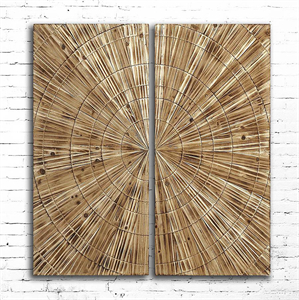
* _Wood_: From sleek, polished veneers to rough-hewn reclaimed wood, this natural material offers a timeless appeal and inherent warmth. _Wood panels_ can be meticulously crafted to create intricate patterns and textures, lending a sense of rustic elegance or sophisticated modernity depending on the finish. _Sustainable sourcing_ is increasingly important in this area, with many manufacturers prioritizing responsibly harvested wood.
* _Metal_: _Metal panels_, particularly those made from aluminum or steel, offer a contemporary and industrial aesthetic. They can be easily shaped and molded, allowing for the creation of bold geometric designs or flowing organic forms. _Powder coating_ or other finishing techniques provide durability and a wide range of color options.
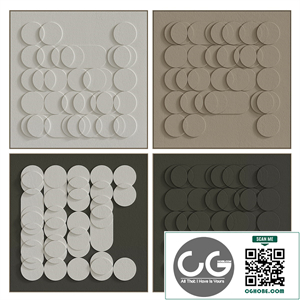
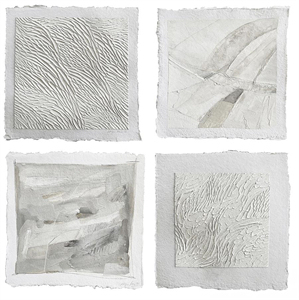
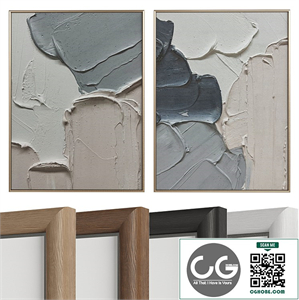
* _Plaster_: _Plaster panels_ offer a malleable medium for creating intricate and textured surfaces. They allow for a high degree of artistic expression, enabling the creation of both highly detailed and subtly textured designs. _Hand-crafted plaster panels_ can offer unique, one-of-a-kind features.
* _Acrylic_: _Acrylic panels_ offer a sleek, modern aesthetic with excellent light transmission properties. They can be backlit to create stunning visual effects, transforming spaces with vibrant colors and dramatic illumination. The smooth, glossy surface of acrylic lends a contemporary and refined elegance.
* _Concrete_: While perhaps less commonly associated with decorative panels, _concrete_ can be molded into intricate shapes to create striking, industrial-chic _3D panels_. The inherent texture of concrete adds a raw, unfinished aesthetic that is highly sought after in certain design styles.
The manufacturing process for these panels varies depending on the material chosen. Some may involve _CNC machining_, offering precise control and repeatability, while others may rely on more traditional hand-crafting techniques for a unique, artisanal feel. _3D printing_ is also emerging as a powerful manufacturing technique, allowing for highly complex and customized designs. The choice of manufacturing method significantly impacts both the cost and the achievable level of detail.
### Part 3: Design Aesthetics and Applications – Shaping Space and Style
The design possibilities offered by _abstract 3D panels_ are virtually limitless. From simple geometric patterns to complex organic forms, the range of aesthetic expressions is vast. The design approach often reflects the overall style of the space, influencing the mood and functionality.
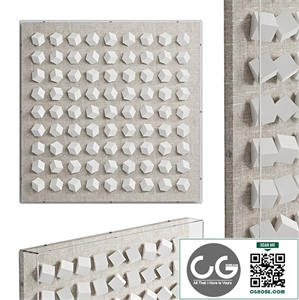
* _Geometric Patterns_: _Clean lines_ and precisely defined shapes create a modern and minimalist feel. This style works well in contemporary offices, sleek residential spaces, and even retail environments. The use of contrasting colors or materials can further enhance the visual impact.
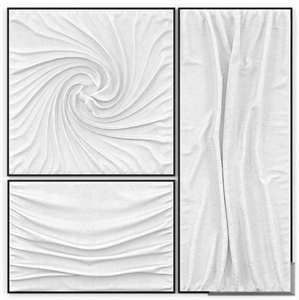
* _Organic Forms_: Flowing, irregular shapes evoke a sense of nature and fluidity. These panels can introduce a sense of calmness and serenity, working well in spa-like settings, bedrooms, and living areas designed for relaxation. The use of natural materials like wood enhances this effect.
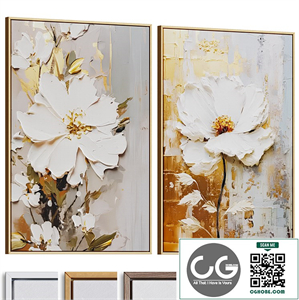
* _Textured Surfaces_: The focus here is on tactile appeal, with deeply textured panels adding a layer of visual interest and depth. These can be made from a variety of materials, from rough-hewn wood to intricately molded plaster. They are especially effective in adding warmth and personality to a space.
* _Backlit Panels_: When illuminated from behind, _translucent panels_ create dramatic lighting effects. This technique can dramatically transform a space, creating focal points and adding a sense of dynamism. Acrylic and other translucent materials are particularly well-suited for this application.
The applications for _abstract 3D panels_ are equally diverse, extending beyond simple wall coverings:
* _Feature Walls_: A single _accent wall_ featuring striking _3D panels_ can dramatically transform the look of a room, creating a focal point and enhancing the overall design.
* _Ceiling Treatments_: Panels can be used to create unique and eye-catching ceiling designs, adding depth and visual interest to the upper part of the room.
* _Room Dividers_: _Freestanding panels_ can be used to create dynamic room dividers, subtly separating spaces while allowing light to filter through.
* _Exterior Cladding_: Weather-resistant materials like _metal_ or treated _wood_ can be used to create visually stunning exterior cladding for buildings.
### Part 4: Installation, Acoustics, and Sustainability – Practical Considerations
While the aesthetic appeal of _abstract 3D panels_ is undeniable, practical considerations must also be addressed during the design and installation process.
* _Installation_: The installation process varies depending on the material and design of the panels. Some require specialized tools and expertise, while others can be installed with relative ease. Proper preparation of the underlying surface is crucial for a successful installation, ensuring a smooth and secure fit. Professional installation is often recommended, especially for complex designs.
* _Acoustics_: _3D panels_, particularly those with textured surfaces or made from absorbent materials like wood, can contribute to improved room acoustics. They can help to reduce echo and reverberation, creating a more comfortable and pleasant listening environment. This is particularly beneficial in spaces such as home theaters, recording studios, and offices.
* _Sustainability_: The increasing emphasis on sustainable design practices extends to the selection of materials for _3D panels_. Choosing panels made from recycled or sustainably sourced materials, such as reclaimed wood or recycled aluminum, reduces the environmental impact. Furthermore, the durability of well-made panels ensures a longer lifespan, reducing the need for frequent replacements.
### Part 5: Conclusion – The Future of Abstract 3D Panel Design
_Abstract 3D panels_ represent a significant advancement in interior and exterior design, offering a powerful tool for shaping spaces and expressing individual style. Their versatility, adaptability, and potential to enhance both aesthetics and functionality make them a compelling choice for a wide range of projects. As manufacturing techniques continue to evolve and new materials emerge, the creative possibilities associated with _3D panels_ are likely to expand even further, solidifying their position as a key element in contemporary and future design trends. The emphasis on sustainability and the integration of innovative technologies will undoubtedly play a significant role in shaping the future of this exciting design element.