## Delving into the Depth of Abstract Painting: A Multifaceted Exploration
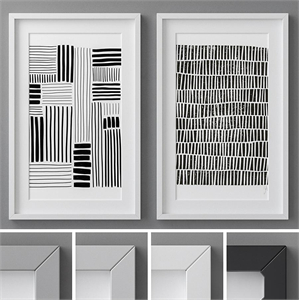
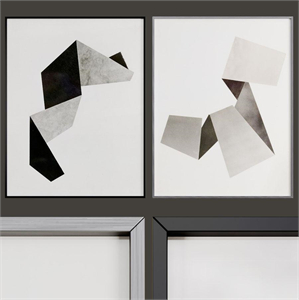
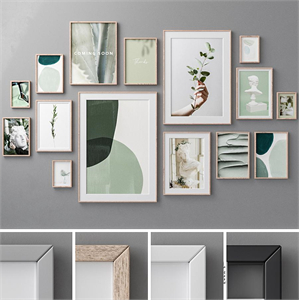
Abstract painting, a genre defying easy categorization, represents a significant departure from representational art. Rather than depicting recognizable objects or scenes from the real world, abstract art prioritizes *form*, *color*, *gesture*, and *composition* as primary elements, creating a visual language that speaks directly to the viewer's emotions and intellect. This exploration will delve into the multifaceted nature of abstract painting, examining its historical evolution, key characteristics, influential artists, and enduring legacy.
### Part 1: A Historical Perspective: From Roots to Revolution
The genesis of abstract painting isn't a single, easily pinpointed moment, but rather a gradual evolution stemming from various artistic movements and philosophies. While *representational art* dominated for centuries, seeds of abstraction can be found in earlier periods. Think of the *Byzantine mosaics* with their stylized figures and emphasis on symbolic color, or the *decorative patterns* of various cultures that transcended literal representation. Even within the Renaissance, certain artists explored unconventional perspectives and distortions, inadvertently paving the way for future abstract explorations.
However, the true birth of *abstract art* is generally linked to the late 19th and early 20th centuries. *Impressionism*, with its focus on capturing fleeting moments and subjective experiences of light and color, laid important groundwork. The *Post-Impressionists*, particularly artists like *Vincent van Gogh* and *Paul Cézanne*, moved further away from strict realism, emphasizing personal expression and the exploration of form and color as independent entities. Cézanne's famous assertion, "Treat nature by the cylinder, the sphere, the cone," foreshadowed the geometric abstraction that would soon dominate.
The early 20th century saw the explosion of various *avant-garde* movements that embraced abstraction fully. *Fauvism*, with its vibrant, *non-naturalistic* color palette, challenged conventional notions of realistic representation. *Cubism*, spearheaded by *Pablo Picasso* and *Georges Braque*, fractured objects into geometric forms, analyzing them from multiple perspectives simultaneously. These revolutionary approaches fundamentally altered the trajectory of art history, paving the way for purely abstract forms of expression.
### Part 2: Defining Characteristics: Beyond Representation
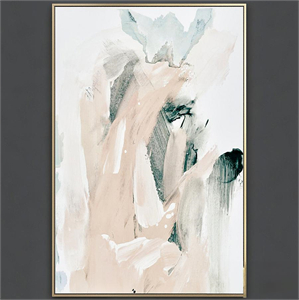
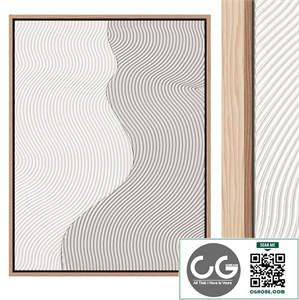
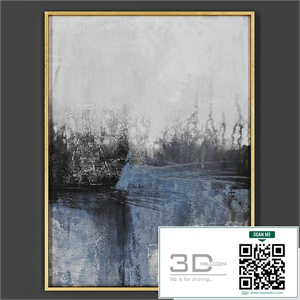
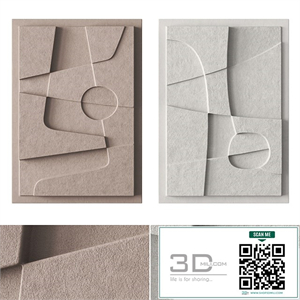
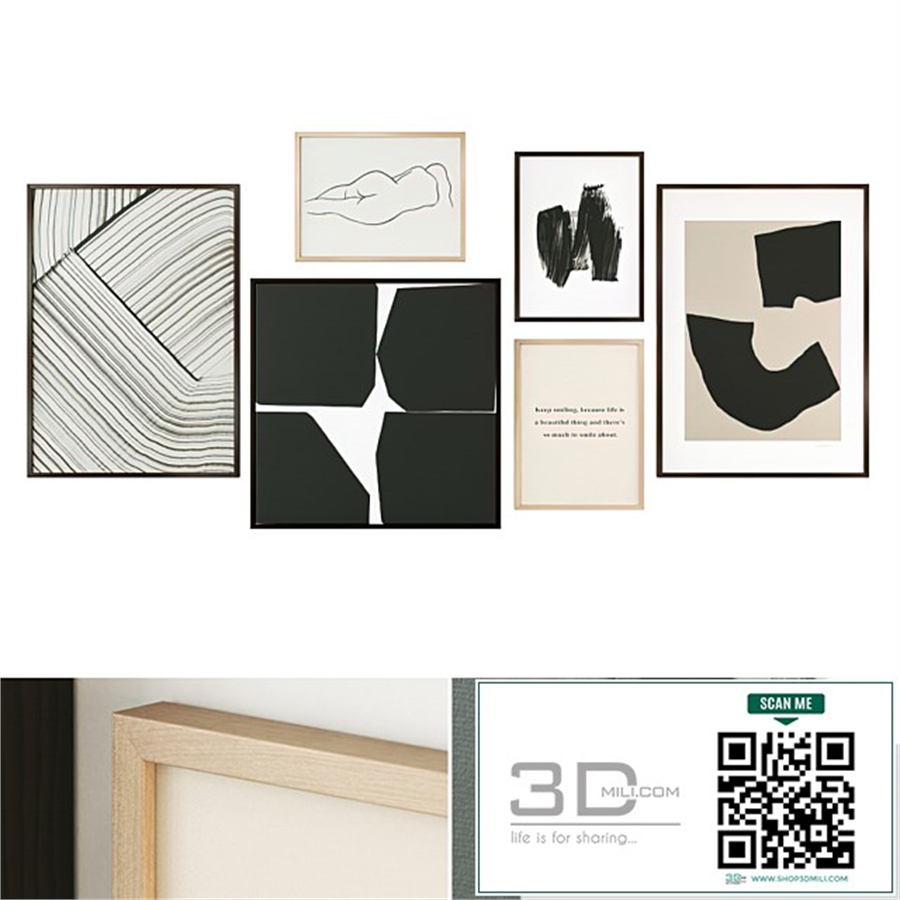
What precisely defines *abstract painting*? It's not simply the absence of recognizable objects, but rather a deliberate focus on the *elements of art* themselves. *Color*, in all its intensity and complexity, becomes a vehicle for emotional expression, creating atmosphere and conveying meaning beyond literal descriptions. *Shape* and *form* are manipulated to evoke feelings, suggesting movement, depth, and texture. *Line*, whether bold and assertive or delicate and flowing, guides the eye and contributes to the overall composition.
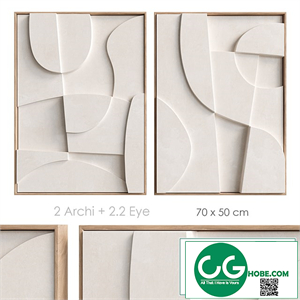
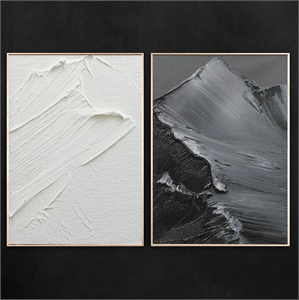
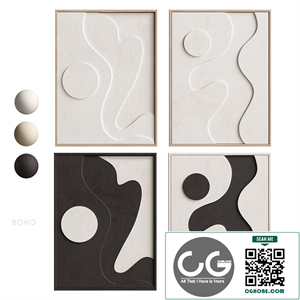
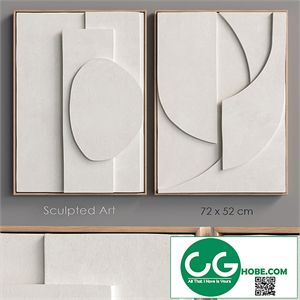
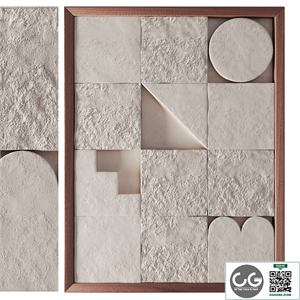
*Composition*, in abstract art, is often crucial, determining the visual rhythm and balance of the piece. Artists utilize techniques like *asymmetry*, *repetition*, and *juxtaposition* to create engaging and visually stimulating works. The *texture* of the paint itself can be an essential component, whether smooth and silken or heavily impastoed and textured. The very *process* of creation—the visible brushstrokes, the layering of colors, the apparent spontaneity or meticulous control—can become part of the artwork's expressive power. The viewer is invited to interpret the artwork based on their own emotional responses and experiences, rather than being given a pre-defined narrative.
### Part 3: Key Figures and Movements: Shaping the Abstract Landscape
Several pivotal figures and movements significantly shaped the development and diversification of abstract painting. *Wassily Kandinsky*, often considered a pioneer of *abstract expressionism*, explored the emotional power of pure color and form, striving to create a purely spiritual and non-representational art. His paintings are often characterized by vibrant hues and dynamic compositions, intended to evoke specific emotional responses.
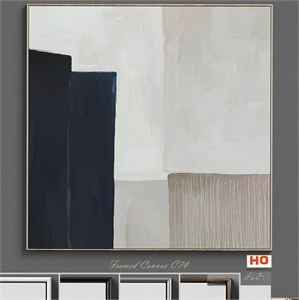
*Piet Mondrian*, a key figure in *Neoplasticism*, reduced his compositions to their most basic elements: vertical and horizontal lines, primary colors, and black and white. His *geometric abstractions* embody a pursuit of pure harmony and order. Similarly, *Kazimir Malevich's* *Suprematism* pushed the boundaries further, focusing on simple geometric shapes like squares and rectangles, floating in a white void, representing a utopian vision of pure abstraction.
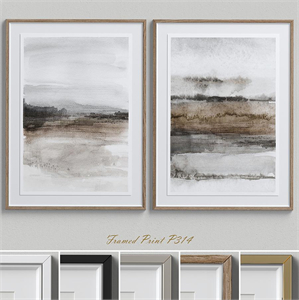
*Abstract Expressionism*, which flourished in post-World War II America, represents a significant chapter in the history of abstract art. Artists like *Jackson Pollock*, renowned for his *drip paintings*, and *Mark Rothko*, known for his large-scale canvases of color fields, explored emotion and subconscious expression through bold gestures and expansive compositions. Their works emphasize the *process* of creation and the physicality of paint, making the viewer intensely aware of the artist's hand and energy.
Other significant movements include *Color Field Painting*, emphasizing large areas of flat color, and *Lyrical Abstraction*, which incorporated softer, more flowing forms and subtle color gradations. These diverse approaches demonstrate the inherent versatility and ever-evolving nature of abstract art.
### Part 4: The Enduring Legacy: Abstraction in the Contemporary World
*Abstract painting* continues to thrive in the contemporary art world. While the specific styles and approaches have evolved, the fundamental principles of prioritizing form, color, and composition remain central. Contemporary abstract artists often engage with social and political issues, incorporating diverse materials and techniques, pushing the boundaries of the genre even further.
The impact of abstract painting extends far beyond the confines of the art world. Its influence can be seen in various design fields, from architecture and fashion to graphic design and industrial design. The principles of abstraction—the use of color, shape, and composition to evoke emotions and create visual impact—are fundamental to many creative endeavors.
Moreover, *abstract art* challenges our perceptions and encourages deeper engagement with the visual world. It demands active participation from the viewer, inviting interpretation and personal experience. It speaks to our universal capacity for emotional response and our inherent need to make sense of the world around us, even when that sense is not immediately apparent in literal terms. In essence, abstract painting continues to inspire, provoke, and enrich our lives, demonstrating the enduring power of artistic innovation and expression. Its legacy is not only in the artworks themselves but in the ongoing dialogue they stimulate, a conversation that continues to shape the landscape of artistic creation and appreciation.