## African Girls Statuette (Volume 2): A Deeper Dive into Form, Culture, and Artistic Expression
This second volume expands upon the exploration of the *African Girls Statuette* theme, delving deeper into the nuanced artistry, cultural significance, and evolving interpretations of these captivating figures. While Volume 1 may have provided a foundational understanding, this installment aims to dissect the subject matter with greater detail, examining the *evolution of styles*, the *diverse regional influences*, and the ongoing *reinterpretation* of these iconic sculptures within contemporary art.
Part 1: Tracing the Roots: Evolution of Style and Technique
The creation of *figurative art* in Africa boasts a rich and diverse history, predating written records by millennia. The *African Girls Statuette*, as a subject matter, isn't confined to a single style or era. Instead, it represents a broad spectrum of artistic expression across various regions and time periods. Early examples often featured *simplified forms*, emphasizing the *essential features* of the female figure. These early statuettes, sometimes crafted from *terracotta*, *wood*, or *stone*, were often imbued with *spiritual significance*, serving as *ritual objects*, *ancestor veneration figures*, or representations of *fertility goddesses*.
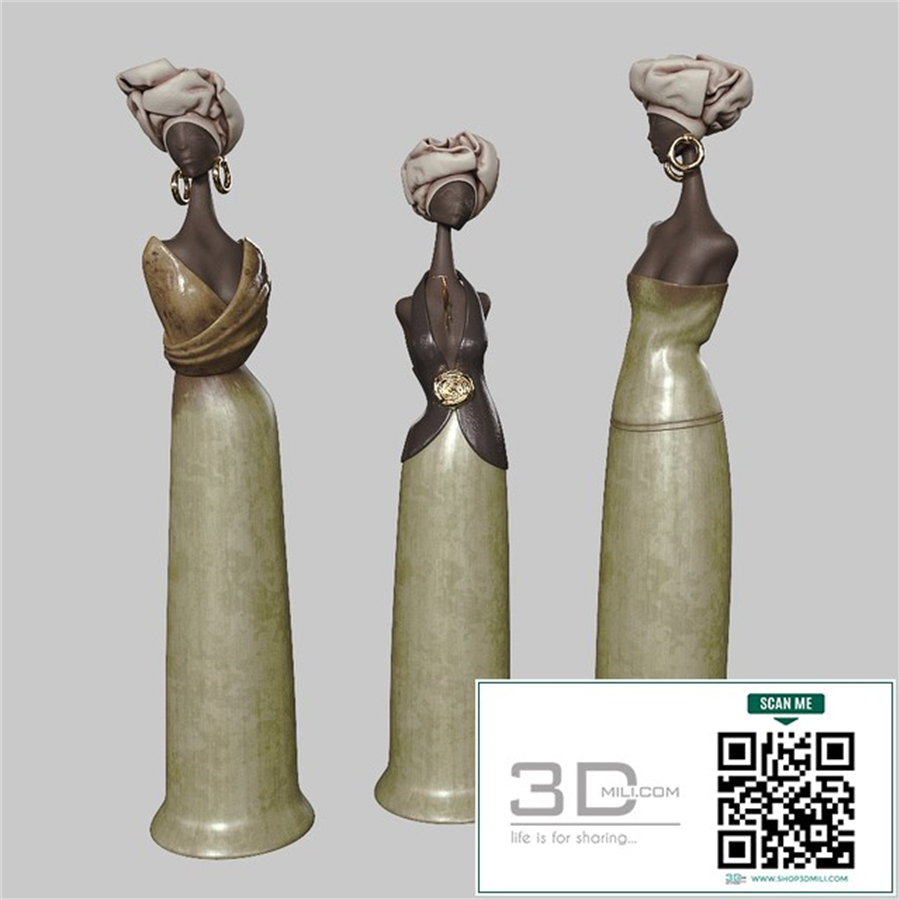
The development of *metallurgy* significantly impacted the production of statuettes. The introduction of *bronze* and *brass* allowed for greater detail and complexity in design. We see the emergence of more *realistic portrayals*, though stylization remained prevalent. The *facial features*, *body proportions*, and *adornments* became more elaborate, reflecting the changing aesthetic preferences and societal structures within different communities. For example, the *hairstyles* depicted in statuettes can offer clues to the prevailing fashion and social status within a particular tribe or region. The *clothing* and *jewelry* represented are also essential factors in understanding the cultural context.
The impact of *colonialism* significantly altered the trajectory of *African art*. While the demand for *tribal art* in the West led to the creation of pieces for the market, it also resulted in a shift in artistic styles, sometimes adapting to the tastes of European collectors. This period witnessed a fascinating interplay between *traditional techniques* and the introduction of new *materials* and *influences*. However, it's crucial to acknowledge the ethical considerations surrounding the collection and preservation of these artifacts, ensuring respectful and responsible acquisition and repatriation practices.
Part 2: Regional Variations: A Tapestry of Artistic Expression
The *African continent* is incredibly diverse, encompassing a vast array of cultures, traditions, and artistic styles. The *African Girls Statuette*, as a recurring motif, reflects this diversity. Statuettes from *West Africa* may exhibit distinct characteristics compared to those from *East Africa* or *Southern Africa*. For instance, the use of *geometric patterns*, the *emphasis on specific body parts*, and the incorporation of *symbolic elements* can vary significantly.
The *Yoruba* people of *Nigeria*, for example, are known for their sophisticated *bronze casting techniques* and their elaborate *figurative sculptures*. Their statuettes often depict *female deities* or *ancestral figures*, adorned with intricate details. In contrast, the *Luba* people of the *Democratic Republic of Congo* are renowned for their *wood sculptures*, often featuring *elongated figures* with graceful postures. The *Baule* of *Ivory Coast* create *elegant figures* often characterized by their *distinctive hairstyles* and *ornate jewelry*.
Understanding these regional variations requires a nuanced approach, acknowledging that generalizations can be misleading. Within each region, there exist further *sub-regional styles*, reflecting the unique artistic traditions and preferences of different communities. The study of *African Girls Statuette* requires deep engagement with the *specific cultural context* of each piece, paying attention to its materials, stylistic features, and symbolic meaning within its original community.
Part 3: Interpretations and Reinterpretations: A Modern Lens
The *African Girls Statuette* is not merely a historical artifact; it remains a vital source of inspiration for contemporary artists. Contemporary artists continue to engage with the theme, reinterpreting traditional forms and styles through a modern lens. Some artists choose to *recreate* classic styles, paying homage to traditional craftsmanship while adding their own unique artistic voice. Others use the theme as a platform for *social commentary*, exploring issues of *gender*, *identity*, and *cultural representation*.
The modern interpretation often reflects a conscious effort to move beyond the limitations of past anthropological and colonial perspectives. Artists are actively engaged in *decolonizing* the narrative surrounding these statuettes, reclaiming the power of *self-representation* and promoting a deeper understanding of *African aesthetics*. This involves not only replicating forms but also actively challenging *stereotypes* and creating new dialogues on *femininity*, *strength*, and *cultural pride*.
The use of *new materials* and *technologies* also adds a unique layer to contemporary reinterpretations. Artists may incorporate elements of *digital art*, *mixed media*, or *installation art* to create powerful statements that engage with the legacy of the *African Girls Statuette* in a fresh and relevant way. This evolution highlights the enduring power of these iconic forms and their capacity to transcend time, adapting to new contexts and artistic expressions.
Part 4: Preservation and Ethical Considerations
The *preservation* of *African Girls Statuette* and other African artifacts remains a critical concern. Many pieces are vulnerable to *damage*, *theft*, and *environmental degradation*. The *ethical implications* surrounding the acquisition, ownership, and display of these cultural artifacts must be constantly addressed. There’s a growing movement towards *repatriation* – returning artifacts to their countries of origin – reflecting a deeper recognition of the cultural significance of these pieces within their original communities.
Museums and collectors have a responsibility to implement proper *conservation practices*, ensuring that these irreplaceable objects are protected for future generations. This includes investing in research, promoting ethical acquisition policies, and collaborating with communities to ensure respectful handling and display. The *documentation* of these artifacts, including their history, provenance, and cultural significance, is also vital for preserving knowledge and promoting a deeper understanding of their artistic and cultural value.
Part 5: The Enduring Legacy: A Celebration of African Artistic Heritage
The *African Girls Statuette*, spanning various volumes and interpretations, symbolizes far more than just a collection of sculptures. It represents a celebration of the rich and diverse artistic heritage of Africa, a testament to the enduring power of creative expression across generations and cultures. From the earliest terracotta figures to contemporary reinterpretations, these statuettes offer a compelling glimpse into the social structures, spiritual beliefs, and artistic evolution of numerous African communities.
By exploring the themes of style, regional variations, contemporary reinterpretations, and ethical considerations, this expanded exploration of the *African Girls Statuette* (Volume 2) aims to foster a deeper appreciation for the artistic mastery and cultural significance of these captivating figures, promoting a respectful and informed engagement with African art and its legacy. The continuation of this study is essential not only for preserving the legacy of the past but also for inspiring the artistic expressions of the future.