## Armchair Teddy: A Deep Dive into Thomas Bina's Design Philosophy
Thomas Bina's *Armchair Teddy* is more than just a piece of furniture; it's a statement, a conversation starter, and a testament to the power of playful design within the context of sophisticated aesthetics. This exploration delves into the intricate details of the design, examining its conceptual origins, the materials employed, the manufacturing process, and the overall impact it makes on the observer and user. We will analyze how Bina successfully blends seemingly disparate elements – the comforting familiarity of a teddy bear with the refined elegance of a high-end armchair – to create a truly unique and memorable piece.
Part 1: Conceptual Genesis – Blending Nostalgia and Sophistication
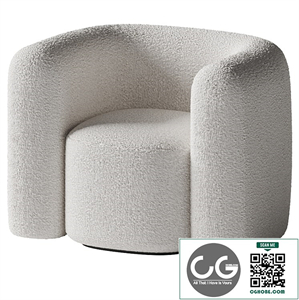
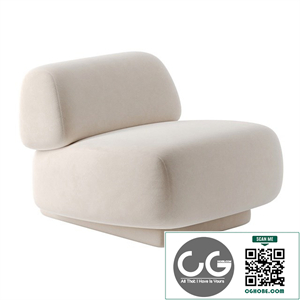
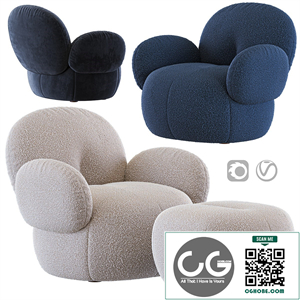
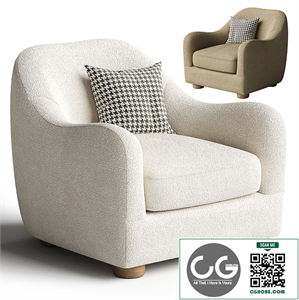
The *Armchair Teddy's* genesis lies in a fascinating juxtaposition of opposing concepts: the *childhood innocence* associated with teddy bears and the *mature elegance* typically associated with bespoke armchairs. Bina doesn't merely combine these two; he *synthesizes* them, creating a piece that transcends the limitations of either category. The design is a reflection of our adult relationship with childhood memories, a nostalgic yearning for simplicity and comfort juxtaposed against the complexities of adult life. This isn't a childish piece pretending to be sophisticated; it's a sophisticated piece that embraces a *whimsical, playful heart*.
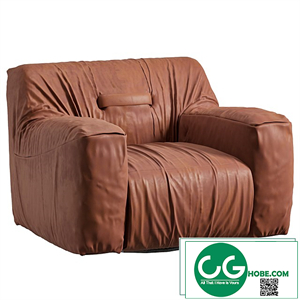
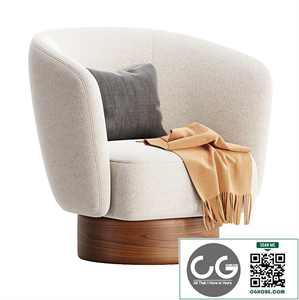
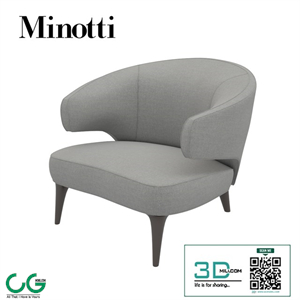
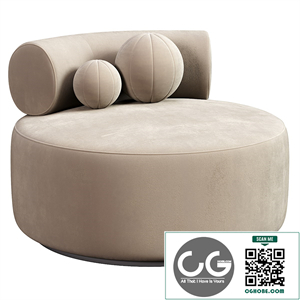
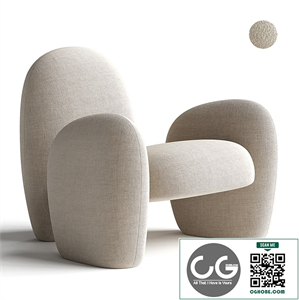
Bina's design process likely involved careful consideration of proportions, material choices, and the overall visual language. The *anthropomorphic* qualities of the armchair – the rounded form evoking a teddy bear's body, the "arms" providing support – are crucial to its success. The design isn't a literal translation of a teddy bear into furniture; rather, it's a *subtle suggestion*, a carefully crafted allusion that allows the viewer to make the connection themselves. This subtle approach avoids the potential pitfalls of kitsch and ensures the piece remains sophisticated and engaging for a discerning audience. The *emotional resonance* of the design is arguably its strongest asset, tapping into deeply ingrained feelings of comfort, security, and nostalgia. The chair isn't just a place to sit; it's a space to *reminisce*, to relax, and to reconnect with a simpler time.
Part 2: Materiality and Craftsmanship – A Symphony of Texture and Tactility
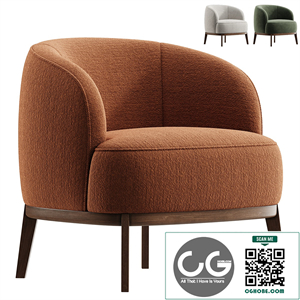
The *Armchair Teddy's* success is not solely reliant on its conceptual ingenuity; its execution is equally impressive. Bina's meticulous attention to material selection and craftsmanship elevates the piece from novelty to a true work of art. The choice of materials is integral to the design's overall aesthetic and tactile experience. The *texture* of the fabric, be it a plush velvet or a luxurious wool, plays a significant role in creating the feeling of warmth and comfort associated with a teddy bear. The careful selection of *color palettes* further contributes to this effect, with soft, muted tones often dominating the design to reinforce the overall sense of calm and tranquility.
The manufacturing process of the *Armchair Teddy* likely involves a combination of traditional and modern techniques. The *precise tailoring* and stitching required for such a complex form suggest a high level of craftsmanship, potentially involving skilled artisans with extensive experience in upholstery and furniture making. The *attention to detail* is evident in every seam and curve, emphasizing the high quality and care put into the creation of each piece. The choice of materials, the precision of the construction, and the overall finish all contribute to the chair's *luxury* feel and its lasting value. The *durability* of the materials ensures that this piece, despite its playful nature, is built to last, becoming a cherished heirloom rather than a fleeting trend.
Part 3: Form and Function – Comfort Reimagined
While the *Armchair Teddy's* aesthetic appeal is undeniable, its function is equally important. The design prioritizes *comfort* without sacrificing elegance. The carefully considered ergonomics, including the shape of the back, the depth of the seat, and the height of the armrests, contribute to a relaxing and supportive seating experience. The *sculptural form* of the chair is not merely decorative; it actively enhances comfort by providing gentle support to the body.
The *scale* of the armchair is another critical aspect of its design. It's likely sized for optimal comfort and proportionality within a variety of living spaces. It isn't overwhelmingly large, nor is it diminutive; rather, it strikes a balance that allows it to fit comfortably into both large and smaller rooms. This careful consideration of *scale and proportion* is indicative of Bina's keen understanding of design principles and his ability to create a piece that is both aesthetically pleasing and functionally effective. The *versatility* of the design, enabling it to blend seamlessly with different interior styles, further underscores its thoughtful conception.
Part 4: Impact and Legacy – Beyond the Chair
The *Armchair Teddy* transcends its function as simply a comfortable seat. It represents a *unique design philosophy* that challenges conventional notions of furniture design. Bina's willingness to embrace seemingly contradictory elements – playful and sophisticated, childlike and adult – creates a piece that is both memorable and thought-provoking. The chair's *emotional impact* is significant, tapping into our collective nostalgia and our desire for comfort and security.
Its impact extends beyond individual appreciation. The *Armchair Teddy* serves as a compelling example of how *innovative design* can blur the lines between categories, inspiring other designers to explore new and unexpected combinations of form and function. Its enduring *legacy* is likely to reside in its ability to spark conversation, to provoke reflection on the relationship between childhood memories and adult life, and to remind us of the importance of embracing playfulness in our designs and our lives. The chair's inherent *collectability* further contributes to its lasting presence in the design world, becoming a symbol of both refined taste and a playful spirit. The *Armchair Teddy* is not simply a piece of furniture; it is a testament to the power of thoughtful design and its capacity to evoke emotion, stimulate conversation, and leave a lasting impact.