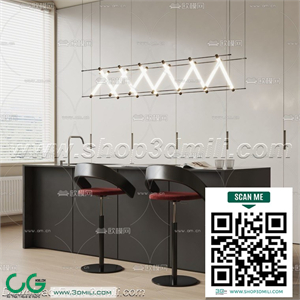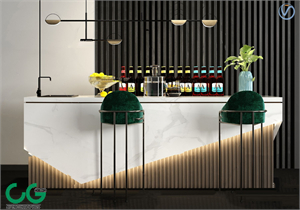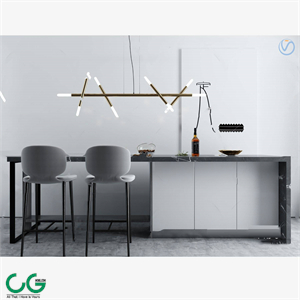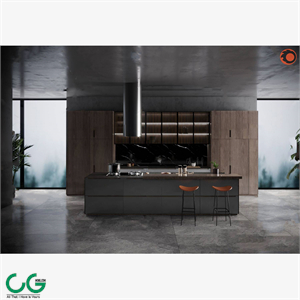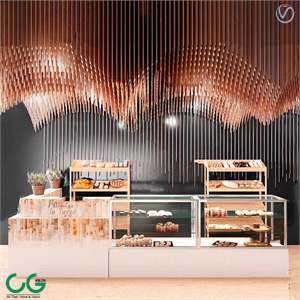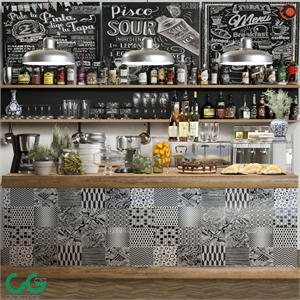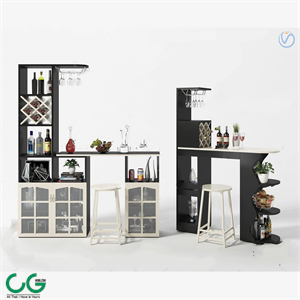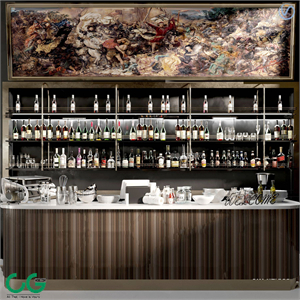
## Bar Counter 16: A Detailed Exploration of a 3D Model Design
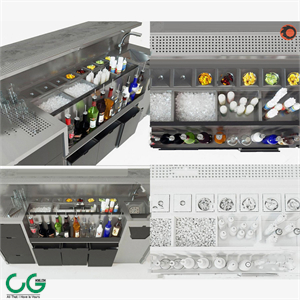
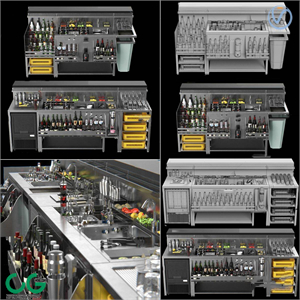
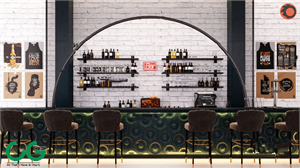
This document provides a comprehensive overview of the Bar Counter 16 3D model, delving into its design features, potential applications, and the technical considerations involved in its creation and utilization. We will explore various aspects, from the initial concept and design choices to the final rendered product and potential modifications.
Part 1: Conceptualization and Design Philosophy
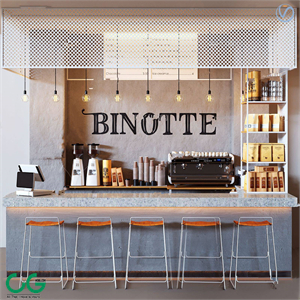
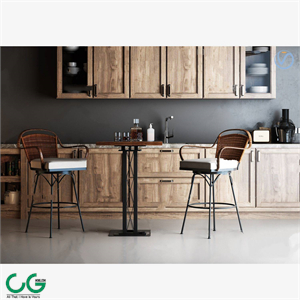
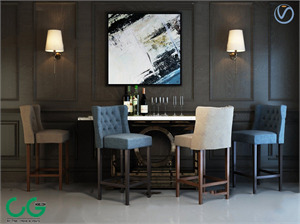
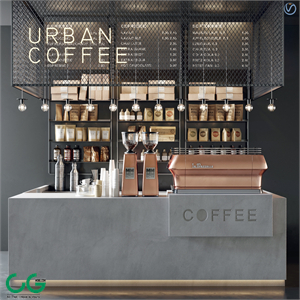
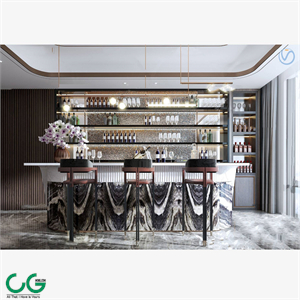
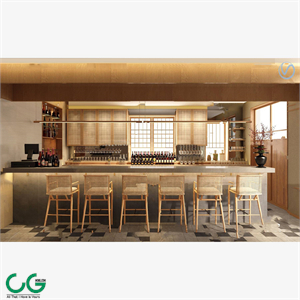
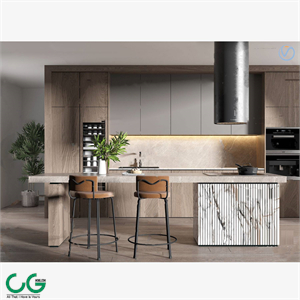
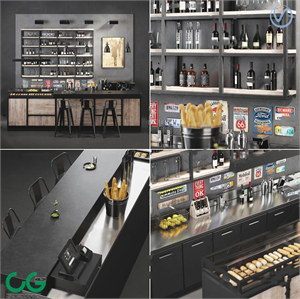
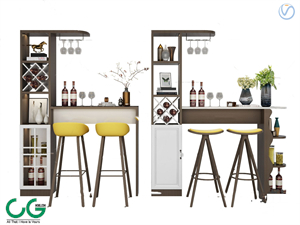
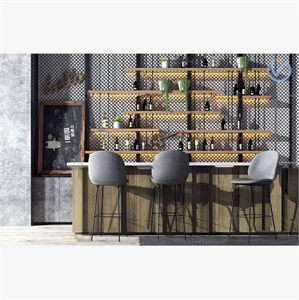
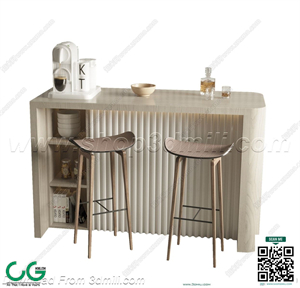
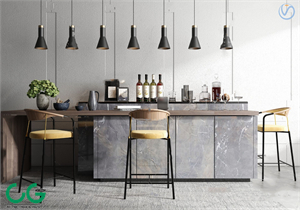
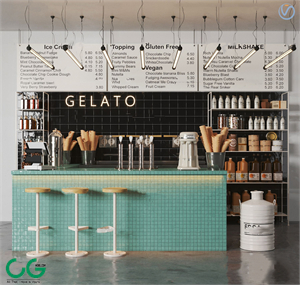
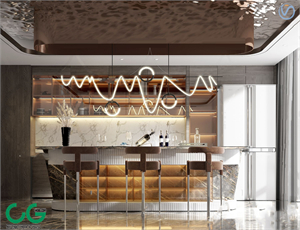
The *Bar Counter 16* model is conceived as a versatile and stylish addition to a range of environments. Its design prioritizes *modern aesthetics* combined with *practical functionality*. The initial design brief emphasized clean lines, a minimalist approach, and the incorporation of high-quality *materials*. This resulted in a sleek, contemporary design that avoids unnecessary ornamentation while maintaining a sophisticated presence. The aim was to create a bar counter that could seamlessly integrate into both *high-end establishments* and more *casual settings*, demonstrating adaptability and timeless appeal.
Key design considerations included:
* Ergonomics: The height and counter space are carefully considered for optimal bartender and customer interaction. The layout facilitates efficient workflow and provides ample room for drink preparation and customer service.
* Material Selection: The model showcases a selection of premium materials, emphasizing texture and visual appeal. The choice of *materials* impacts not only the aesthetic but also the durability and maintenance requirements of the counter. Different material options are explored in later sections.
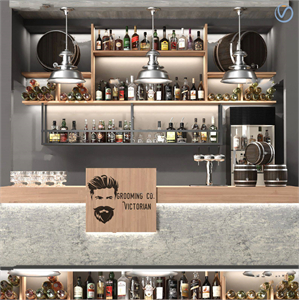
* Lighting Integration: The design incorporates strategically placed lighting elements to enhance the ambiance and highlight the bar's features. This is crucial for creating the desired mood and enhancing the overall user experience.
* Modular Design: The design allows for modularity, meaning that components can be rearranged or added to customize the bar counter to specific needs and spatial constraints. This flexibility increases the model's adaptability to diverse settings.
Part 2: Technical Specifications and 3D Modeling Aspects
The *Bar Counter 16* model is created using industry-standard *3D modeling software*. This allows for precise control over every aspect of the design, from the dimensions and materials to the fine details of the surface textures. The specific software used will be detailed in a later section, along with the file formats available for export and use.
Key technical aspects include:
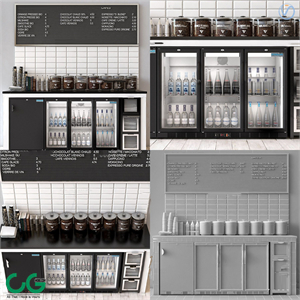
* Polycount: The model's *polygon count* is optimized for efficient rendering and use in various applications, including *game development* and *architectural visualization*. A balance is struck between detail and performance, ensuring the model is suitable for a range of projects without compromising visual quality.
* UV Mapping: *UV mapping* is meticulously executed to ensure seamless texture application and efficient use of texture memory. This is crucial for achieving high-quality rendering and preventing visual artifacts.
* Texturing: High-resolution *textures* are used to accurately represent the materials employed in the bar counter's construction. These textures provide realistic detail and visual fidelity, enhancing the overall quality of the model.
* Rigging and Animation (Potential): While the base model is static, the design allows for potential rigging and animation for interactive applications. This could involve animating elements like lighting or creating interactive features for virtual environments.
Part 3: Material Exploration and Customization Options
The *Bar Counter 16* model is designed to be adaptable to various material choices. This section outlines several potential materials and their respective impact on the final product:
* Wood: Various wood types, such as *oak*, *walnut*, or *maple*, could be used to create a warm and inviting atmosphere. The selection of wood influences the overall aesthetic and the level of maintenance required.
* Metal: *Stainless steel*, *brass*, or *copper* provide a modern and sleek look. Metal options offer durability and resistance to wear and tear, making them suitable for high-traffic environments.
* Stone: *Granite*, *marble*, or *quartz* can add a luxurious and sophisticated touch. Stone materials are highly durable but require more careful maintenance.
* Composite Materials: Modern *composite materials* offer a blend of aesthetics and durability, providing a balance between cost and longevity. These materials often mimic the appearance of natural materials while being more resistant to damage.
Customization options also extend to the:
* Color Palette: The color of the materials can be adjusted to match specific brand identities or design preferences. A wide *range of colors* is possible, from neutral tones to vibrant and bold hues.
* Countertop Shape and Size: The *countertop dimensions* can be adjusted to suit various spatial requirements. Custom shapes and sizes can be created to cater to specific needs and preferences.
* Additional Features: Additional elements, such as *integrated shelving*, *cup holders*, or *display cases*, can be added to enhance functionality and personalize the design.
Part 4: Applications and Use Cases
The *Bar Counter 16* model finds application in a wide range of scenarios, including:
* Architectural Visualization: The model is ideally suited for use in architectural visualization projects, allowing architects and designers to showcase the bar counter in different settings and contexts.
* Game Development: The model’s optimized polygon count and textures make it suitable for use in game development environments, adding a level of realism to virtual bars and pubs.
* Virtual Reality (VR) and Augmented Reality (AR): The model can be incorporated into VR and AR applications to create immersive and interactive experiences for users.
* Product Design and Marketing: The model is a valuable asset for showcasing the bar counter to potential clients and investors, allowing them to visualize the product before its physical creation.
* Interior Design: The model provides a convenient way for interior designers to experiment with different bar counter designs within a given space, facilitating informed decision-making.
Part 5: Future Development and Potential Enhancements
Future development of the *Bar Counter 16* model could include:
* Improved Material Libraries: Expanding the library of available materials to include more realistic and varied options.
* Interactive Features: Incorporating interactive elements such as animated lighting or interactive drink dispensers for more engaging applications.
* Customization Tools: Developing user-friendly customization tools to allow for easier modification of the model's dimensions, materials, and features.
* Integration with Other Software: Improving compatibility with other design software and platforms.
The *Bar Counter 16* 3D model represents a versatile and adaptable design, well-suited for a variety of applications. Its focus on modern aesthetics, ergonomic design, and material flexibility positions it as a valuable asset for professionals and enthusiasts alike. The ongoing development and refinement of this model promise even greater functionality and versatility in the future.