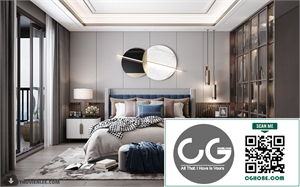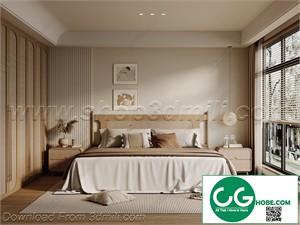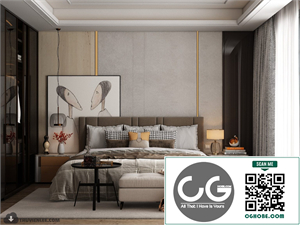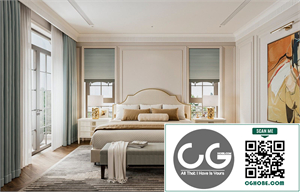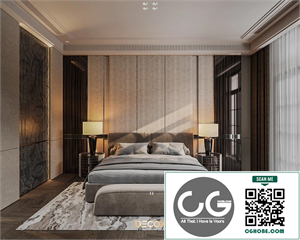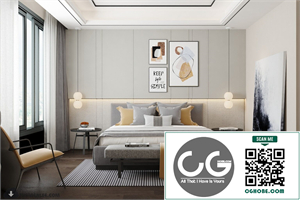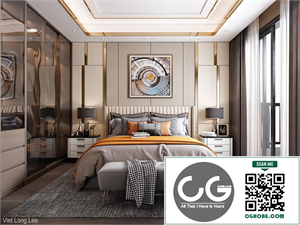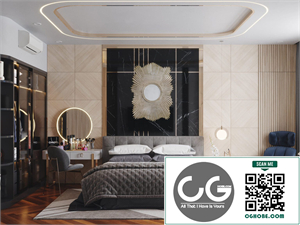
## Designing the *Dream* Bedroom: A Comprehensive Guide
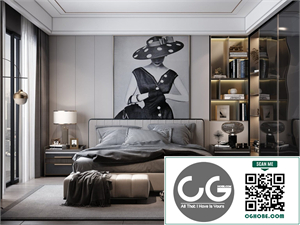
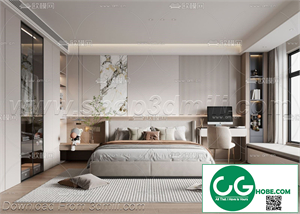
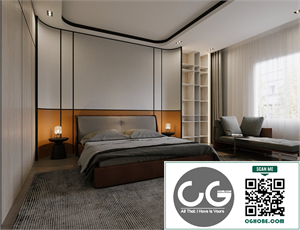
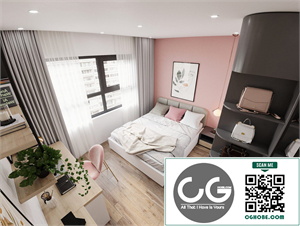
The bedroom. It's more than just a room; it's a *sanctuary*, a *retreat*, a space dedicated to rest, rejuvenation, and personal expression. Designing your *ideal bedroom* requires careful consideration of various factors, from *functionality* and *aesthetics* to *comfort* and *mood*. This comprehensive guide will delve into every aspect, helping you create a bedroom that truly reflects your *personality* and enhances your well-being.
### Part 1: Defining Your *Bedroom's* Purpose and Style
Before diving into specifics, it's crucial to define the primary *function* of your bedroom. Is it primarily a space for *sleep*, or do you also intend to use it for *reading*, *working*, or relaxing? Understanding your needs will dictate the layout and furniture choices.
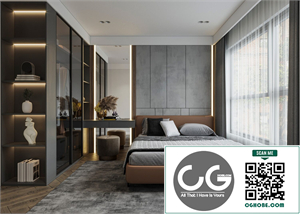
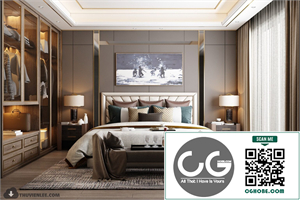
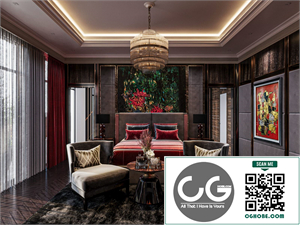
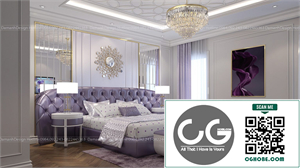
Next, consider the *overall style*. Do you envision a *minimalist*, *modern*, *rustic*, *Bohemian*, or *traditional* aesthetic? Browse *interior design* magazines, websites, and social media platforms like Pinterest for inspiration. *Mood boards* can be invaluable in visualizing your *dream bedroom*. Select a *color palette* that reflects your chosen style and desired atmosphere. Warm, earthy tones often promote relaxation, while cooler colors can create a feeling of spaciousness. Consider using accent colors to add pops of personality and visual interest.
*Key Considerations:*
* Functionality: Prioritize the activities you’ll be undertaking in the room.
* Style: Select a style that resonates with your personal taste and lifestyle.
* Color Palette: Choose colors that create the desired mood and complement the overall aesthetic.
* Mood Board: Create a visual representation of your ideas to guide the design process.
### Part 2: Optimizing *Space* and *Layout* in Your *Bedroom*
The *layout* of your bedroom plays a significant role in its functionality and flow. Consider the placement of your bed as the central focal point. It should be positioned to maximize *space* and minimize traffic flow. Ensure there's sufficient *space* around the bed for easy access.
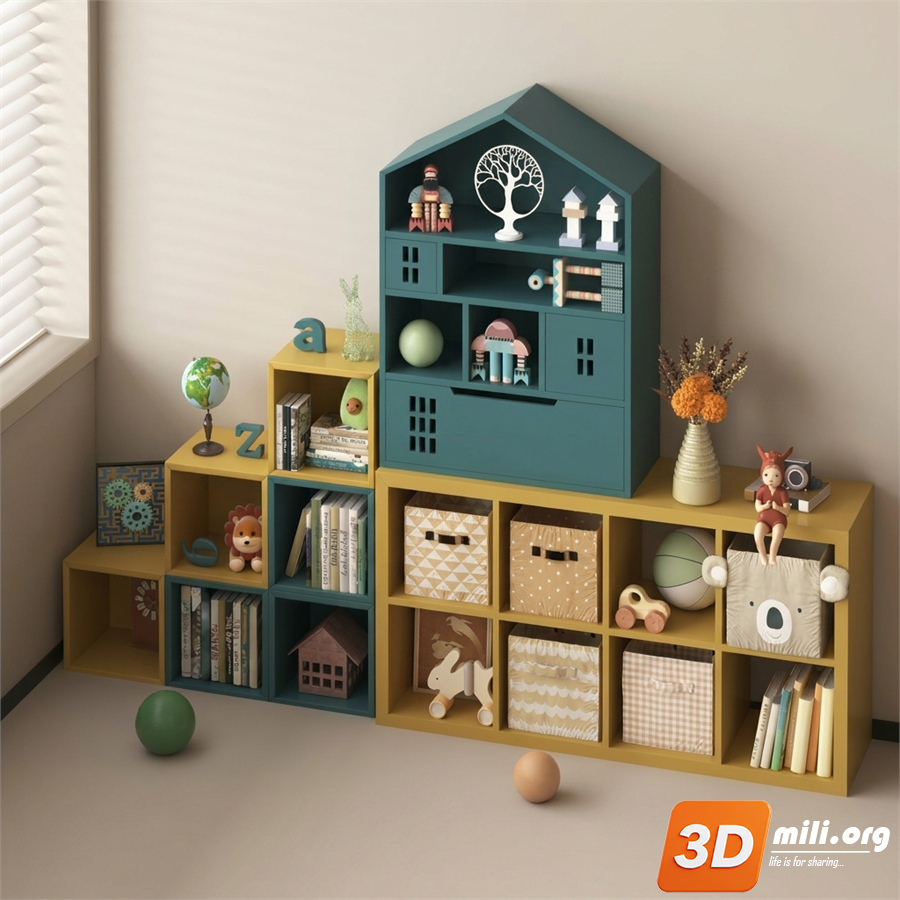
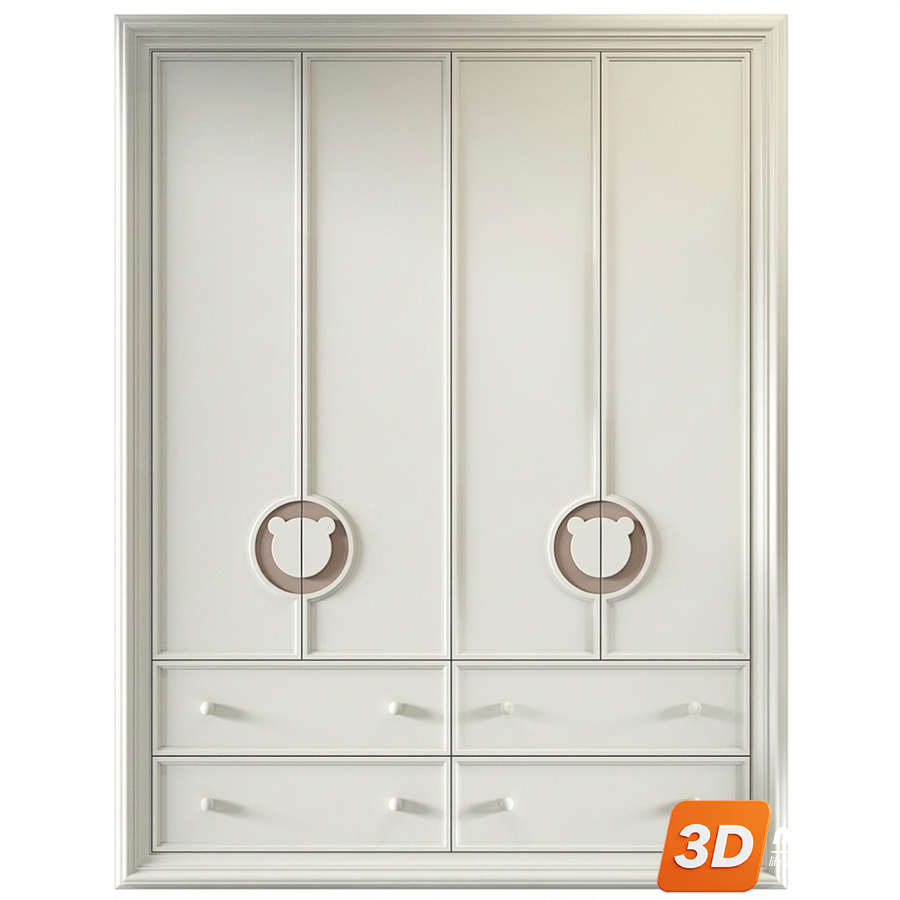
*Storage* is another critical element. A well-organized bedroom feels more spacious and calming. Utilize *built-in wardrobes*, *chest of drawers*, *under-bed storage*, and other solutions to keep belongings neatly tucked away. Consider the placement of furniture to maximize *natural light* and ventilation.
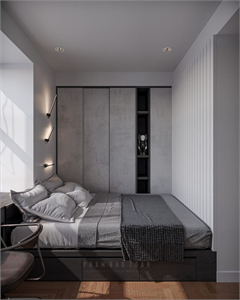
For smaller bedrooms, *clever storage solutions* and *multifunctional furniture* are particularly important. A *Murphy bed* can be folded away during the day to create more *floor space*, while ottomans with storage can serve as both seating and storage.
*Key Considerations:*
* Bed Placement: Position the bed to optimize space and minimize traffic flow.
* Storage Solutions: Maximize storage space to keep the room organized and clutter-free.
* Natural Light: Maximize the use of natural light to create a bright and airy atmosphere.
* Traffic Flow: Ensure easy and efficient movement around the room.
### Part 3: Choosing the Right *Furniture* for Your *Bedroom*
Selecting the right *furniture* is crucial for both functionality and aesthetics. The *bed* itself is the most important piece, so choose a size and style that suits your needs and preferences. Consider the *mattress* carefully, as it directly impacts your sleep quality. A comfortable and supportive *mattress* is an investment in your well-being.
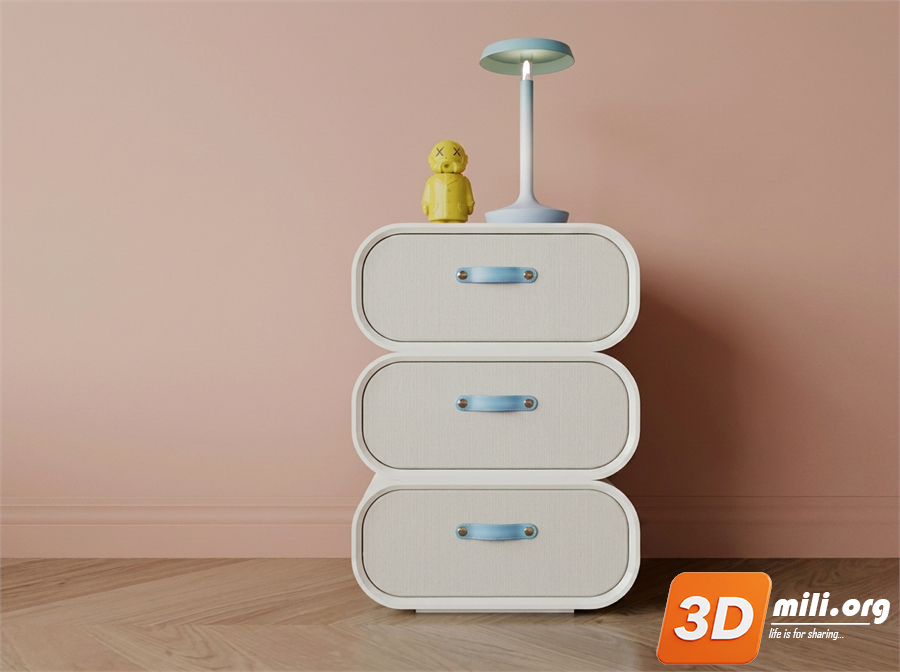
*Nightstands* provide convenient surfaces for lamps, books, and other essentials. Select *nightstands* that complement the *bed* and overall *bedroom* style. A *dresser* or *chest of drawers* is necessary for clothing storage, and its style should coordinate with the other *bedroom furniture*.
Consider adding a *comfortable seating area* if space allows. An armchair or a small sofa provides a relaxing spot for reading or unwinding. A full-length *mirror* can be both functional and aesthetically pleasing, adding depth and light to the room.
*Key Considerations:*
* Bed & Mattress: Invest in a high-quality bed and mattress for optimal sleep.
* Nightstands: Choose nightstands that are functional and aesthetically pleasing.
* Dresser/Chest of Drawers: Select a dresser that provides ample storage.
* Seating Area: Add a seating area if space permits for added comfort and relaxation.
### Part 4: Illuminating Your *Bedroom*: *Lighting* Design
*Lighting* plays a significant role in setting the *mood* and functionality of your *bedroom*. Layer your *lighting* with a combination of *ambient*, *task*, and *accent lighting*.
*Ambient lighting* provides overall illumination, often achieved with a ceiling fixture or recessed lighting. *Task lighting* focuses on specific areas, such as a reading lamp by the bed or a desk lamp for working. *Accent lighting* highlights particular features, such as artwork or architectural details, adding visual interest and depth.
Consider incorporating *dimmable lights* to adjust the brightness according to your needs and preferences. Warm-toned *lighting* is generally preferred for bedrooms, as it creates a relaxing and inviting atmosphere.
*Key Considerations:*
* Ambient Lighting: Provides overall illumination.
* Task Lighting: Focuses light on specific areas for particular tasks.
* Accent Lighting: Highlights features and adds visual interest.
* Dimmable Lights: Allows for adjustment of brightness to suit the mood.
### Part 5: Adding the Finishing Touches: *Textiles* and *Accessories*
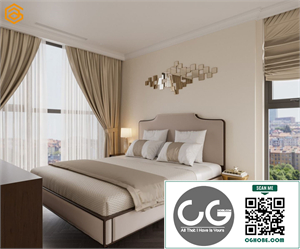
*Textiles* and *accessories* are the finishing touches that bring personality and warmth to your *bedroom*. Consider the use of soft, luxurious *bedding* in colors and textures that complement your overall *design scheme*. *Curtains* or *blinds* can control *natural light* and privacy. *Rugs* add comfort and warmth underfoot, defining zones within the room.
*Accessories* like throw pillows, blankets, artwork, and plants can be used to personalize your space and reflect your style. Choose items that you find aesthetically pleasing and that add to the overall *mood* of the room. Avoid overcrowding the space; instead, focus on a few well-chosen items that make a statement.
*Key Considerations:*
* Bedding: Choose comfortable and aesthetically pleasing bedding.
* Curtains/Blinds: Control light and privacy.
* Rugs: Add comfort, warmth, and define areas within the room.
* Accessories: Personalize the space with carefully selected items.
By carefully considering these aspects, you can design a *bedroom* that is both beautiful and functional, a true *sanctuary* where you can relax, rejuvenate, and recharge. Remember, your *bedroom* should be a reflection of you – your style, your needs, and your *dreams*.