## Bonsai Tree 58: A Deep Dive into Miniature Majesty
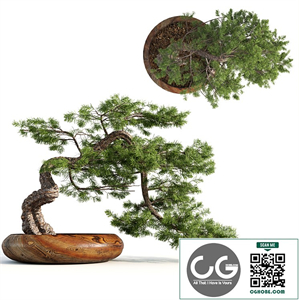
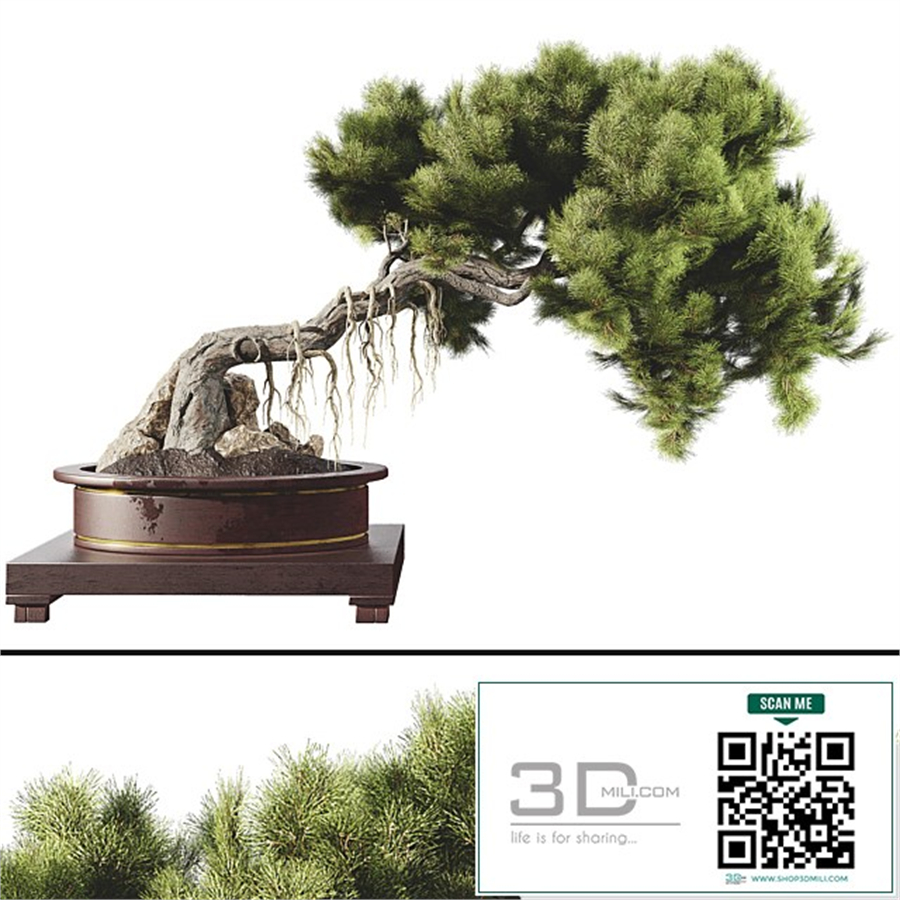
This exploration delves into the intricate world of *Bonsai Tree 58*, a specific specimen that represents the pinnacle of dedication and artistic skill within the *bonsai* tradition. While we lack specific details about the individual tree (numbering systems vary widely among bonsai enthusiasts and nurseries), this analysis will serve as a framework for understanding the creation, care, and artistic significance of a high-numbered bonsai, such as *Bonsai Tree 58*. We'll explore various aspects, from the meticulous techniques involved in its creation to the philosophical underpinnings that elevate this miniature tree to a work of art.
Part 1: Understanding the Numbering System and its Implications
The number "58" assigned to this hypothetical *bonsai* is likely part of a cataloging system used by a specific *bonsai* nursery, garden, or collector. It doesn't inherently denote age, species, or style. Instead, it functions as a unique identifier, allowing for easy tracking within a larger collection. Higher numbers, like 58, suggest a potentially larger or more established collection. This implies a longer history of cultivation and potentially more significant investment in time and resources. It could also reflect the chronological order of acquisition or propagation within the collection, highlighting its place within a larger narrative.
It's crucial to differentiate this number from other potential labeling systems. Some nurseries use alphabetical or alphanumeric codes, while others might rely on stylistic classifications or species-based identification. The lack of a standard system across the *bonsai* community emphasizes the unique nature of each tree and its individual history. Understanding the context of the numbering is crucial to appreciating the *bonsai*'s significance. *Bonsai Tree 58*'s number alone doesn't tell the whole story; it merely provides a starting point for further investigation.
Part 2: The Artistic Vision Behind a Mature Bonsai
Creating a mature *bonsai*, especially one potentially represented by *Bonsai Tree 58*, requires decades of dedication and a deep understanding of horticultural principles and artistic vision. The journey begins with the selection of a suitable *bonsai* species, factoring in growth habits, leaf size, and overall aesthetic potential. The chosen *sapling* is then subjected to a rigorous regimen of *pruning*, *wiring*, and *styling*, aiming to mimic the aesthetic of an aged, full-sized tree in miniature.
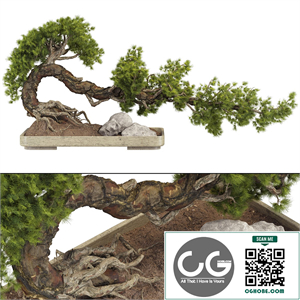
*Styling* is a critical aspect, often dictated by established *bonsai* styles like *formal upright*, *informal upright*, *cascade*, and *literati*. Each style demands a different approach to branch placement, trunk taper, and overall silhouette. A *bonsai* master's skill lies in translating their artistic vision into the three-dimensional form of the tree. The goal is not just to create a miniature tree, but to evoke a specific feeling, a narrative, or a connection to the natural world. A tree like *Bonsai Tree 58*, given its number, might represent the culmination of years of refining a particular style or experimenting with different techniques.
Part 3: The Techniques of Bonsai Cultivation
The cultivation of a *bonsai* like *Bonsai Tree 58* demands mastery of numerous horticultural techniques. *Pruning* plays a vital role in shaping the tree's structure, controlling its growth, and maintaining its miniature size. *Wiring*, using aluminum or copper wire, is used to guide branch placement and create the desired aesthetic. Careful attention must also be paid to *root pruning*, which is essential for managing root growth and preventing the tree from outgrowing its pot.
*Repotting* is a crucial process, typically undertaken every two to five years. This involves carefully removing the tree from its container, removing a portion of the root system, and replanting it in fresh soil. This process ensures that the tree receives adequate nutrients and maintains overall health. The choice of *potting mix* is also critical, as it must provide optimal drainage and aeration. Additionally, meticulous attention to *watering*, *fertilizing*, and *pest control* is vital for maintaining the tree’s health and vitality. These seemingly minor details are essential aspects of creating a stunning *bonsai* like *Bonsai Tree 58*.
Part 4: The Philosophical and Spiritual Significance of Bonsai
Beyond the horticultural techniques, *bonsai* cultivation carries significant philosophical and spiritual weight, particularly in its origins within Japanese culture. The art form emphasizes *patience*, *discipline*, and a deep respect for nature. The process of creating and nurturing a *bonsai* is a meditative practice, requiring continuous observation, adjustment, and a willingness to adapt to the ever-changing needs of the living organism. The *bonsai* itself becomes a symbol of harmony between humanity and nature, a microcosm of the larger world reflected in miniature.
The dedication required to cultivate a *bonsai* like *Bonsai Tree 58* extends beyond mere aesthetics. It represents a commitment to a long-term project, a testament to the cultivator's patience, perseverance, and understanding of the natural world. The finished *bonsai* is not merely a plant, but a living testament to the power of human intervention guided by a deep appreciation for the beauty and resilience of nature. It's a representation of *harmony*, *balance*, and the *tranquility* found in the meticulous care and cultivation process.
Part 5: The Future of Bonsai Tree 58 (and Bonsai in General)
The future of *Bonsai Tree 58*, like all living *bonsai*, depends on the ongoing dedication of its caregiver. Maintaining its health and aesthetic requires continued attention to the techniques discussed above. Its longevity will depend on factors ranging from environmental conditions to the skill of its caretaker. However, its legacy, even if its existence remains largely unknown outside a specific collection, extends beyond its physical lifespan.
The tradition of *bonsai* continues to thrive globally, with increasing numbers of enthusiasts engaging in this demanding yet rewarding art form. Modern techniques and scientific understanding are contributing to improved cultivation practices, ensuring the future health and preservation of this rich artistic and cultural legacy. Trees like *Bonsai Tree 58*, while individually significant, represent a broader cultural and artistic movement that emphasizes patience, dedication, and a harmonious relationship with the natural world. Its existence, even hypothetically, reminds us of the profound beauty and enduring spirit found in the miniature world of *bonsai*.