## The Bosa Vase: A Journey Through Form, Function, and Artistic Expression
The Bosa vase isn't merely a vessel; it's a statement. A testament to the enduring power of artistic design, it transcends the purely functional, becoming a captivating focal point in any space. This exploration delves into the multifaceted nature of the Bosa vase, examining its design philosophy, the craftsmanship behind its creation, and its place within the broader landscape of contemporary and historical ceramics.
### Part 1: Unveiling the Design Philosophy
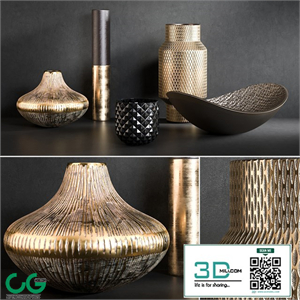
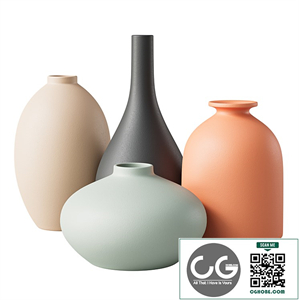
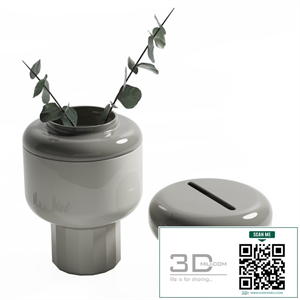
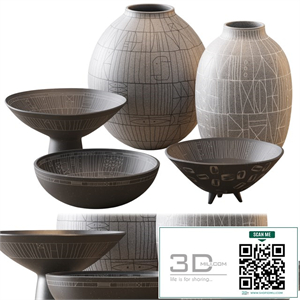
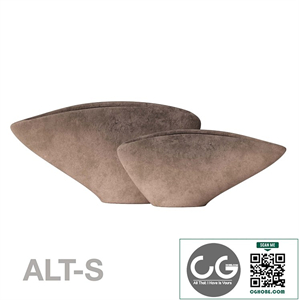
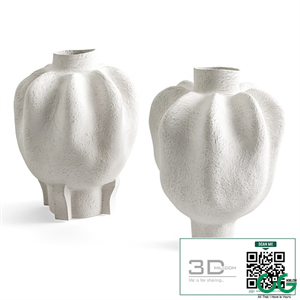
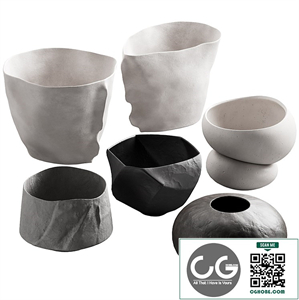
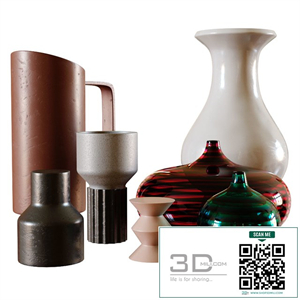
The design of a Bosa vase is rarely arbitrary. Each piece reflects a careful consideration of form, material, and aesthetic intention. *Contemporary Bosa designs* often explore the interplay of curves and angles, creating a dynamic visual dialogue. Some pieces might feature a sleek, minimalist profile, emphasizing clean lines and subtle textural variations. Others embrace a more maximalist approach, showcasing intricate detailing, vibrant colors, and dramatic silhouettes. The underlying principle remains consistent: a commitment to artful simplicity, or a deliberate and considered complexity, depending on the designer's vision.
The *choice of material* is another crucial aspect of the design philosophy. Bosa utilizes high-quality ceramics, often employing techniques passed down through generations of artisans. This commitment to superior materials translates into vases that are not only visually stunning but also durable and long-lasting. The *texture* of the vase, whether smooth and polished or rough and textured, contributes significantly to its overall aesthetic impact. This tactile quality invites closer examination and enhances the sensory experience of interacting with the piece.
Furthermore, the Bosa vase's design frequently engages with the concept of *negative space*. The empty space within and around the vase is as crucial to its overall aesthetic as the vase itself. The interplay between the solid form and the void creates a sense of balance and harmony, enriching the visual experience. This consideration of negative space elevates the Bosa vase beyond mere decoration; it becomes a conversation between form and emptiness, substance and absence.
### Part 2: The Craftsmanship Behind the Beauty
The beauty of a Bosa vase isn't merely skin deep; it's deeply embedded in the skilled craftsmanship that brings it into existence. Each stage of the process, from the initial concept to the final firing, demands precision, expertise, and a profound understanding of the material. The *process begins with the design*, often meticulously hand-drawn or digitally modeled. This initial stage lays the foundation for the entire creation, dictating the overall form, dimensions, and aesthetic direction of the piece.
The creation itself often involves several intricate steps, beginning with the preparation of the clay. Experienced artisans skillfully *shape the clay*, employing various techniques to achieve the desired form. This might involve throwing the clay on a potter's wheel, hand-building with coils or slabs, or utilizing a combination of methods. The shaping process is a testament to the artist's skill and patience, demanding a keen eye for detail and a delicate touch.
After shaping, the vase undergoes a process of *drying and firing*. This crucial step transforms the pliable clay into a durable ceramic form. The firing process takes place in high-temperature kilns, requiring precise control to ensure consistent results and avoid cracking or warping. The *glazing process*, which follows the initial firing, adds another layer of complexity and artistry. Glazes are applied by hand, often with multiple layers to achieve the desired color, texture, and sheen. The careful application of glaze demands both skill and precision, as even slight variations can significantly affect the final appearance. A final firing fuses the glaze to the ceramic body, creating a seamless and enduring finish.
The meticulous *quality control* at every stage guarantees the exceptional quality associated with the Bosa vase. This dedication to excellence ensures that each piece is a unique work of art, reflecting the skill and passion of the artisans involved.
### Part 3: The Bosa Vase in the Broader Context of Ceramic Art
The Bosa vase holds a significant place within the broader history and evolution of ceramic art. It draws inspiration from both *historical and contemporary* influences, seamlessly blending tradition with innovation. Elements of ancient techniques, such as hand-building and slip casting, might be combined with modern approaches to form and decoration, resulting in a compelling interplay between past and present.
The Bosa vase's engagement with *contemporary design trends* is evident in its exploration of form, color, and texture. The brand often collaborates with leading designers, pushing boundaries and experimenting with innovative techniques. This commitment to contemporary aesthetics ensures that the Bosa vase remains relevant and engaging to a modern audience.
The *cultural significance* of the Bosa vase is also noteworthy. The careful selection of colors, patterns, and shapes might reflect specific cultural traditions or aesthetic sensibilities. Some designs may incorporate elements drawn from nature, while others might explore abstract themes. The vase transcends its purely functional role, serving as a vehicle for artistic expression and cultural dialogue.
### Part 4: The Bosa Vase: A Lasting Legacy
The enduring appeal of the Bosa vase lies in its ability to transcend fleeting trends. It is a piece designed to be cherished for generations, a testament to the enduring power of artistic craftsmanship. Its *versatility* allows it to adapt to diverse settings, from minimalist modern interiors to more traditional spaces. It can function as a standalone statement piece or be incorporated into a larger collection of decorative objects.
The *investment value* of a Bosa vase is also worth noting. As with many high-quality handcrafted items, Bosa vases tend to appreciate in value over time, making them not only beautiful possessions but also potentially sound investments. Their *collectability* further enhances their appeal, attracting both discerning collectors and design enthusiasts. Many limited-edition pieces or collaborations with renowned artists become sought-after items, increasing their value and desirability.
Ultimately, the Bosa vase is more than just a decorative object; it is a *symbol of artistic excellence*, a testament to the dedication and skill of the artisans who create them. Its enduring appeal lies in the perfect marriage of form, function, and artistic expression, resulting in a piece that enriches any space it graces. It represents a commitment to quality, innovation, and the enduring legacy of handcrafted beauty. The *Bosa vase* is an investment in artistry, a piece that will continue to inspire and delight for years to come.