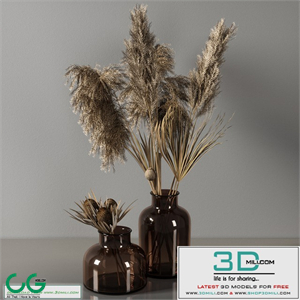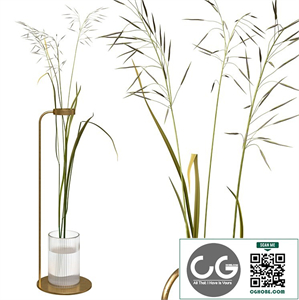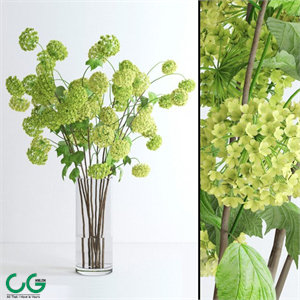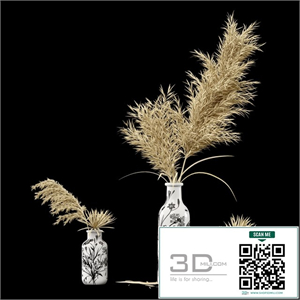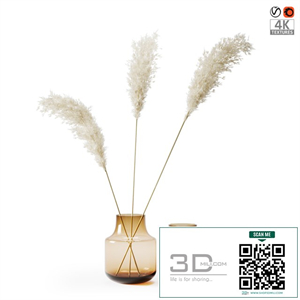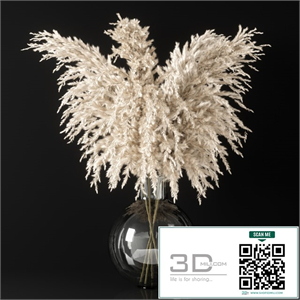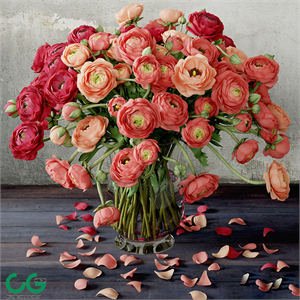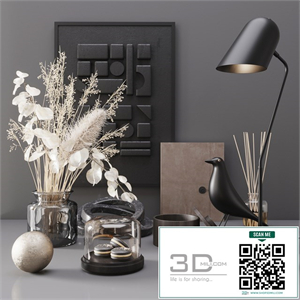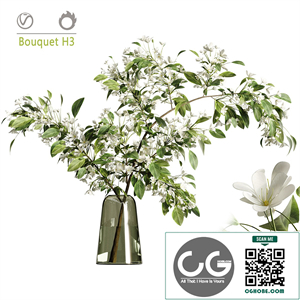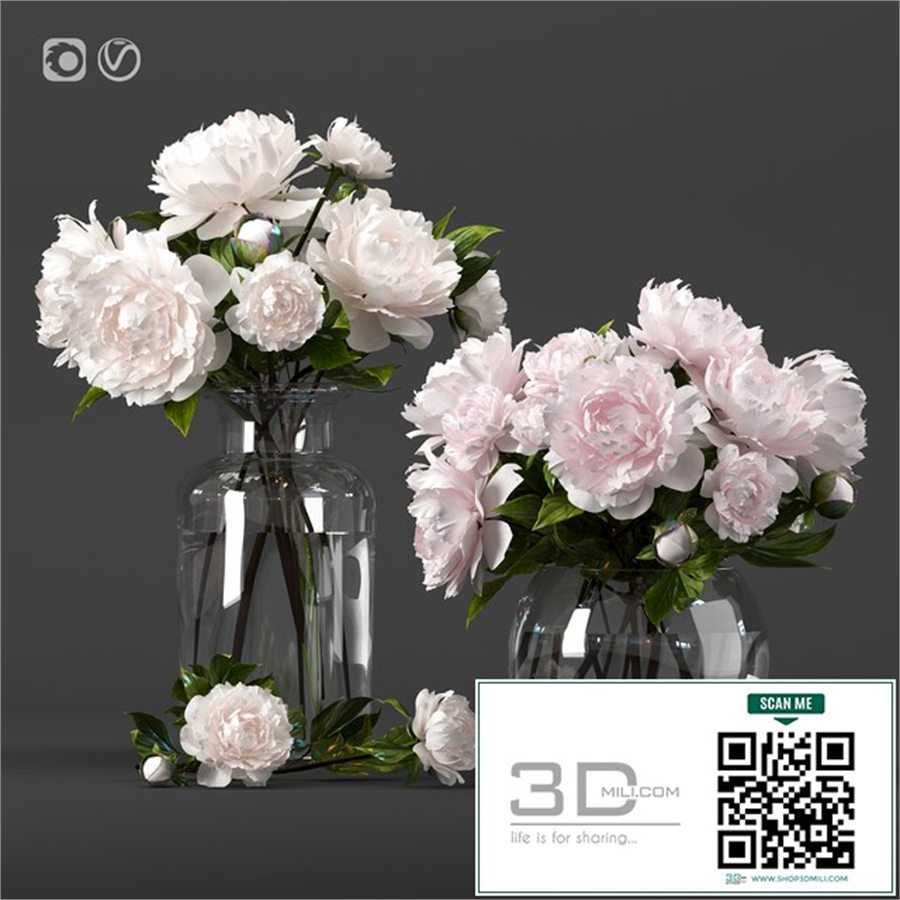
## Bouquet 5: A Deep Dive into the Design
Bouquet 5 isn't just a design; it's an *experience*. It's a carefully curated collection of *elements*, meticulously arranged to evoke a specific *emotion* and tell a unique *story*. This document will delve into the various aspects of Bouquet 5, exploring its *inspiration*, *aesthetics*, *functionality*, and the *design decisions* that shaped its final form.
### Part 1: The Genesis of Bouquet 5 – Inspiration and Conceptualization
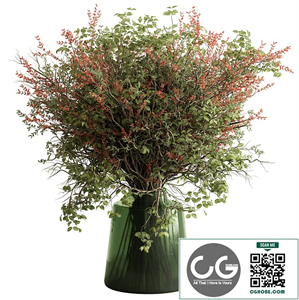
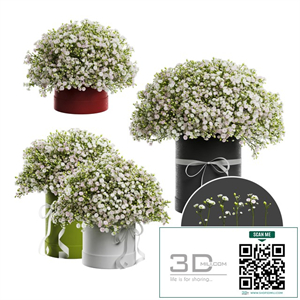
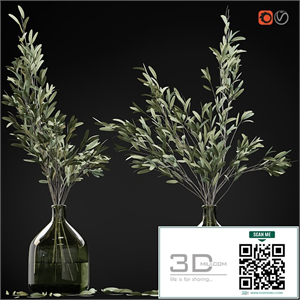
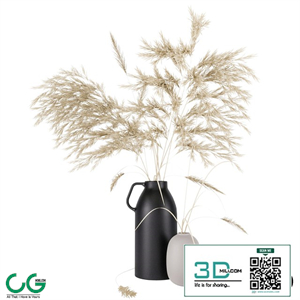
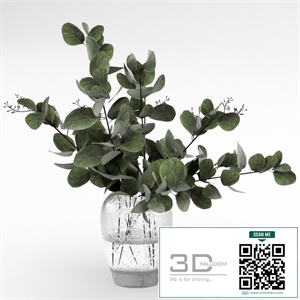
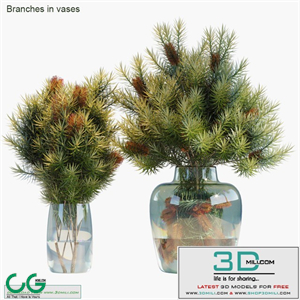
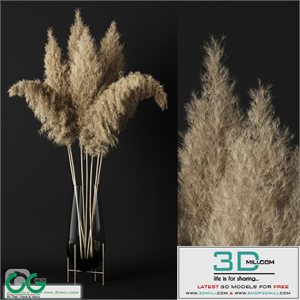
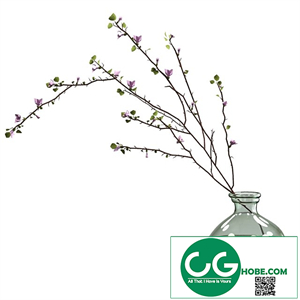
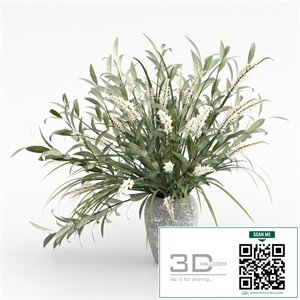
The initial concept for Bouquet 5 stemmed from a desire to explore the *intersection* of *organic* and *geometric* forms. The *natural world*, with its unpredictable beauty and inherent asymmetry, served as a primary source of *inspiration*. We observed the way flowers arrange themselves in a bouquet, the subtle variations in petal shapes and colors, and the *organic flow* of their growth. This *natural elegance* became a key element in the design process.
However, we didn't want to simply replicate nature. The *geometric* aspect of Bouquet 5 provides a counterpoint, introducing a sense of *order* and *precision* that complements the *organic chaos* of the natural inspiration. This tension between opposing forces – the *fluid* and the *structured*, the *wild* and the *controlled* – is central to the design's identity. We sought to create a balance, a *harmonious synthesis* of these contrasting elements.
The *color palette* also played a crucial role in establishing the design's overall mood. We avoided overly *vibrant* or *saturated* colors, opting instead for a more *muted*, *subtle* range. This approach allows the *organic forms* to take center stage, while simultaneously creating a feeling of *calm* and *serenity*. The *subtle gradations* of color further enhance the sense of *natural flow* and *organic growth*. Think of the gentle transition of light through a forest canopy, the way shadows deepen and soften. This *atmospheric quality* was a key objective.
The *initial sketches* for Bouquet 5 involved numerous explorations of *form* and *composition*. We experimented with different arrangements, adjusting the *proportion* and *scale* of the *geometric elements* in relation to the *organic forms*. The goal was to achieve a visual *rhythm*, a sense of *movement* and *balance* throughout the design. This iterative process involved countless revisions, constantly refining the interplay between the *organic* and *geometric* aspects until we arrived at a *harmonious resolution*.
### Part 2: Aesthetics and Visual Language – Form, Color, and Texture
The aesthetic of Bouquet 5 is characterized by its *subtlety* and *sophistication*. It avoids overt ornamentation, relying instead on the *intrinsic beauty* of its *forms* and the *interaction* of its *elements*. The *organic forms*, inspired by nature, are rendered with a sense of *delicacy* and *precision*. They possess a *fluid elegance*, almost ethereal in their lightness.
This *organic quality* is juxtaposed against the *rigidity* of the *geometric elements*. These elements, though clearly defined, are not harsh or imposing. Instead, their *sharp lines* and precise *angles* provide a sense of *structure* and *order*, anchoring the more fluid *organic components*. The interplay between these contrasting elements creates a *dynamic tension*, a visual conversation that engages the viewer.
The *color palette*, as mentioned previously, is *muted* and *sophisticated*. It features *earth tones*, *neutrals*, and *subtle accents* of color, all carefully chosen to complement each other and enhance the overall feeling of *calm* and *serenity*. The *subtle gradations* of color, particularly within the *organic forms*, provide a sense of *depth* and *dimensionality*.
*Texture* plays a crucial role in enhancing the *tactile* quality of Bouquet 5. While primarily a visual design, we aimed to create the illusion of *texture* through the careful application of *shading* and *lighting*. The *subtle variations* in tone suggest a range of *textures*, from the smooth petals of a flower to the rough bark of a tree. This attention to *detail* creates a richer, more *immersive* experience for the viewer.
### Part 3: Functionality and User Experience – Interaction and Engagement
Beyond its aesthetic qualities, Bouquet 5 is designed with a focus on *user experience*. While not a physically interactive design (in the context of a tangible object), the *visual composition* is designed to guide the viewer's eye through a series of *focal points* and *visual pathways*. The arrangement of the *elements* creates a sense of *flow*, encouraging exploration and engagement.
The *composition* itself is not static. Depending on the *viewing angle* and the *lighting conditions*, different aspects of the design come into focus. This *dynamic interaction* allows for multiple interpretations and encourages repeated engagement with the design. This layered approach prevents the design from becoming monotonous or predictable.
The *clarity* of the *composition* ensures that the design remains *accessible* and *understandable*. The *elements* are distinct yet interconnected, creating a visual narrative that is both engaging and easy to follow. The *balance* between *organic* and *geometric* forms prevents the design from becoming either overly chaotic or overly rigid.
The *functional aspects* of Bouquet 5 extend beyond its immediate visual impact. The design can serve as an inspiration for other projects, a source of *ideas* and *aesthetic inspiration*. It can be adapted and reinterpreted in numerous ways, becoming a foundation for a broader range of design explorations. This *versatility* and adaptability are crucial elements in its overall functionality.
### Part 4: The Design Process – Iteration, Refinement, and Conclusion
The creation of Bouquet 5 was a *iterative process*, involving numerous rounds of *sketching*, *modeling*, and *refinement*. We employed a range of *design tools* and techniques, including *digital drawing*, *3D modeling*, and *color manipulation software*. Each stage of the process involved careful consideration of the *overall composition*, the *relationship* between *elements*, and the *impact* of each *design decision*.
Throughout the process, we relied heavily on *feedback* and *critique*. The design was presented to a range of audiences, each offering valuable insights and perspectives. This *collaborative approach* proved invaluable, enabling us to identify potential weaknesses and improve the design based on external input.
The final version of Bouquet 5 represents a *synthesis* of our initial inspiration and the numerous iterations and refinements that followed. It’s a design that embodies the *tension* between *order* and *chaos*, *structure* and *freedom*, the *geometric* and the *organic*. The result is a design that is both visually stunning and intellectually engaging, capable of inspiring reflection and fostering appreciation for the beauty of *natural forms* and the precision of *geometric structures*. Bouquet 5 stands as a testament to the *power* of *design* to blend contrasting elements into a *cohesive* and *meaningful* whole.