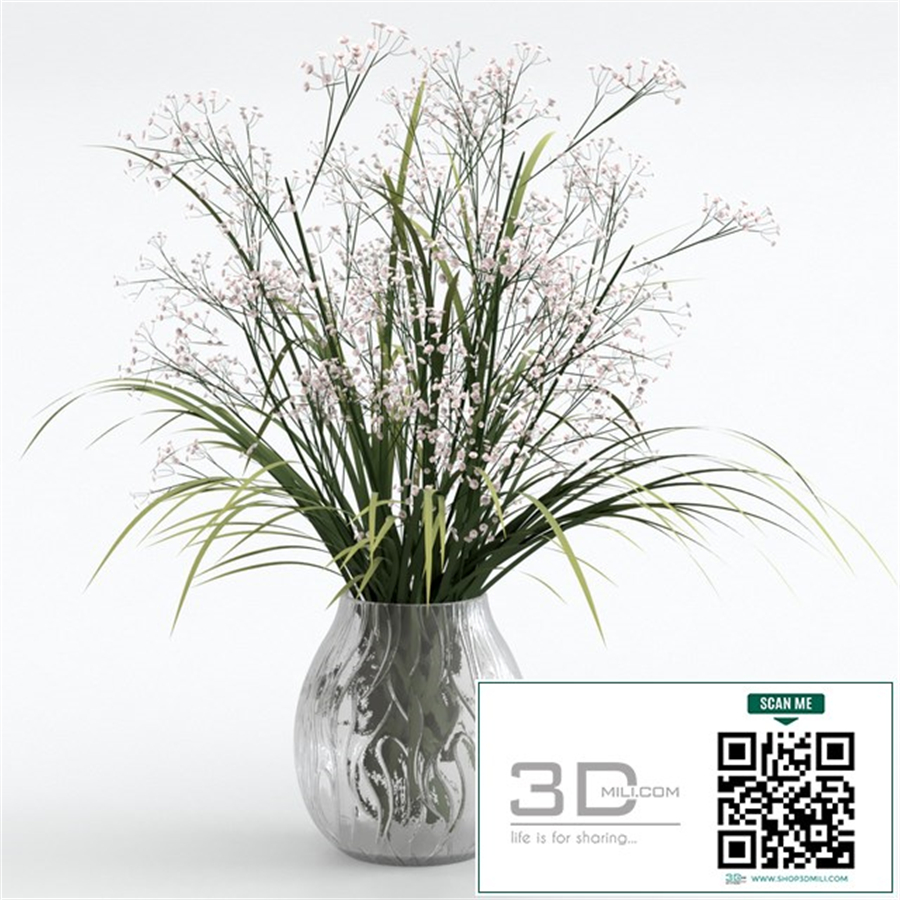
## A Bouquet of Grass: Rethinking Floral Design
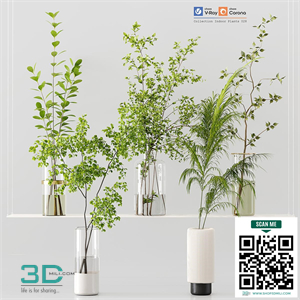
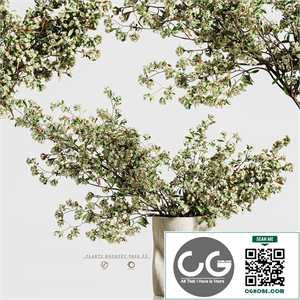
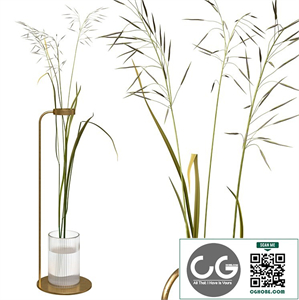
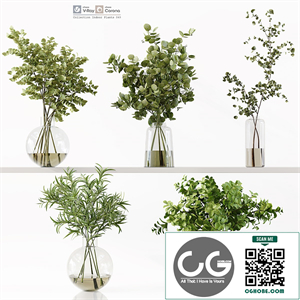
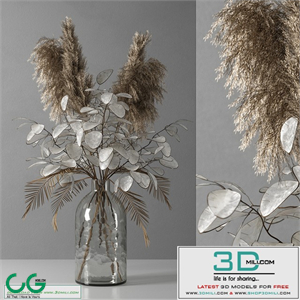
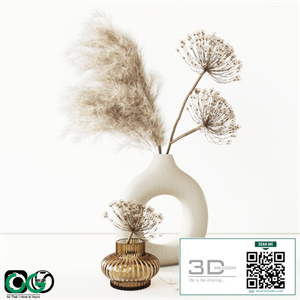
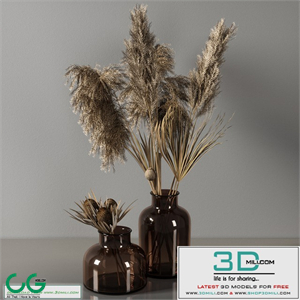
This design concept, "A Bouquet of Grass," challenges the conventional notion of a floral arrangement. Instead of focusing solely on cultivated blooms, it embraces the *wild beauty* and *untamed elegance* of grasses, weaving them into a composition that integrates *wildflowers* and carefully selected *cultivated blooms*. This isn't simply about adding a few blades of grass to a traditional bouquet; it's about a fundamental shift in perspective, a celebration of *natural texture*, *subtle color palettes*, and the *organic movement* of grasses in a composition.
### Part 1: The Philosophy Behind the "Bouquet of Grass"
The inspiration for this design stems from a deeper appreciation for the *natural world*. We've become accustomed to highly cultivated, perfectly symmetrical floral displays. While beautiful in their own right, they often lack the *raw vitality* and *unpredictable charm* found in nature's own arrangements. A "Bouquet of Grass" seeks to recapture this lost connection, bringing the spirit of the wild meadow or windswept prairie into the domestic sphere.
This design philosophy is underpinned by several key principles:
* Sustainability: Utilizing grasses, many of which are readily available and often considered weeds, promotes a *sustainable approach* to floral design. It minimizes the environmental impact associated with the cultivation and transportation of exotic flowers.
* Texture and Movement: Grasses introduce a dimension often missing in traditional bouquets. Their *delicate sway*, *varying heights*, and *diverse textures* add a sense of dynamism and *organic flow*. This creates a visually engaging composition that feels alive and ever-shifting.
* Subtlety and Restraint: Unlike brightly colored, densely packed bouquets, "A Bouquet of Grass" often emphasizes *subtle color palettes*. The focus shifts from a burst of intense color to a more muted, *harmonious blend* of tones and shades. This creates a feeling of calm and understated elegance.
* Seasonality and Locality: The design celebrates the *seasonal beauty* of locally sourced grasses and wildflowers. This reinforces the sustainable ethos and allows for a unique, ever-changing aesthetic depending on the time of year and geographic location.
### Part 2: Choosing the Grasses and Flowers
The success of a "Bouquet of Grass" relies heavily on the careful selection of grasses and complementary flowers. The choice will depend on several factors: the *overall aesthetic* desired, the *season*, and the *availability* of local flora.
Grasses: The possibilities are vast. Consider incorporating:
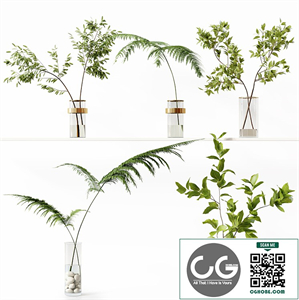
* *Feather Grass (Stipa):* Its airy, feathery plumes add lightness and movement to the arrangement.
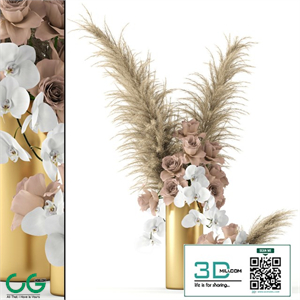
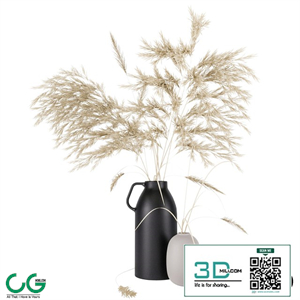
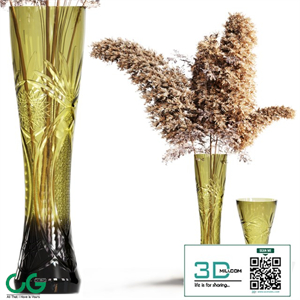
* *Pampas Grass (Cortaderia selloana):* Offers dramatic height and a bold statement, particularly in autumnal arrangements.
* *Ornamental Millet (Setaria italica):* Provides interesting textures and subtle color variations, depending on the cultivar.
* *Bunny Tails (Lagurus ovatus):* Adds softness and a playful touch with its fluffy seed heads.
* *Reed Grass (Calamagrostis):* Creates a more structural foundation with its upright stems.
Flowers: The flowers should complement the grasses, not compete with them. Choosing blooms with *delicate forms* and *muted colors* works best. Consider:
* *Wildflowers: These add a touch of *untamed beauty* and perfectly echo the ethos of the design. Look for wildflowers that are native to your region.
* *Small Daisies: Their simple elegance complements the airy nature of the grasses.
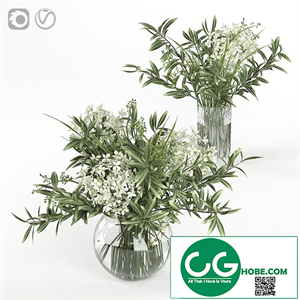
* *Queen Anne's Lace: Offers a delicate, lacy texture and a subtle, romantic touch.
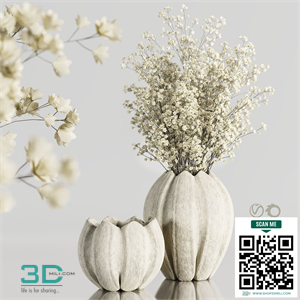
* *Baby's Breath: Adds a delicate cloud of small white flowers that can fill spaces and provide a soft counterpoint to the coarser grasses.
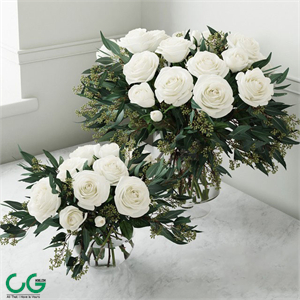
* *Small, muted-colored roses: While roses are often associated with highly cultivated blooms, smaller, more subtly colored varieties can work well, adding a touch of refined elegance.
### Part 3: Arranging the "Bouquet of Grass"
Arranging a "Bouquet of Grass" requires a different approach than traditional floral arranging. The goal is to create a *natural-looking*, *organic composition*.
Techniques:
* Layering and Textural Variation: Begin by layering the grasses, creating a base of taller grasses and then adding shorter, more delicate ones. This adds depth and visual interest. Vary the textures to create a visually engaging arrangement.
* Asymmetrical Balance: Avoid perfect symmetry. Embrace asymmetry to create a more natural, less formal look.
* Strategic Placement of Flowers: Introduce the flowers strategically, allowing them to punctuate the arrangement rather than dominating it.
* Consider the Container: Choose a vessel that complements the *natural aesthetic* of the arrangement. A simple, rustic vase or a woven basket would be ideal. Avoid overly ornate or elaborate containers that would clash with the understated elegance of the bouquet.
* Embrace Imperfection: Don't strive for perfect uniformity. The beauty of this design lies in its *organic imperfections*.
### Part 4: Expanding the Concept: Beyond the Bouquet
The "Bouquet of Grass" concept can be extended beyond the traditional bouquet. It can be applied to other floral design applications:
* Table centerpieces: Create low, sprawling arrangements that integrate grasses and wildflowers, adding texture and movement to the table setting.
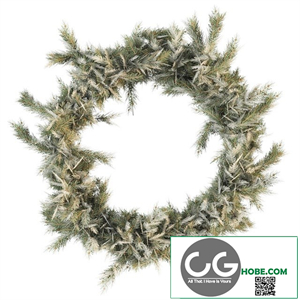
* Wreaths: Construct wreaths using dried grasses and wildflowers, creating a rustic and seasonal decoration.
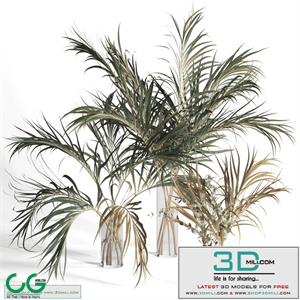
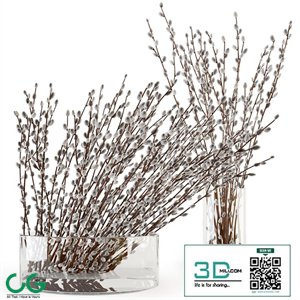
* Home décor: Incorporate dried grasses into vases or decorative bowls, adding a touch of natural beauty to your living space.
* Event styling: Use grasses and wildflowers to decorate event venues, creating a natural and bohemian ambiance.
### Part 5: The Enduring Appeal of the "Bouquet of Grass"
The "Bouquet of Grass" represents a return to a more *natural*, *sustainable*, and *artistically nuanced* approach to floral design. It's a celebration of *unconventional beauty*, a testament to the *subtle elegance* found in nature's own arrangements. By embracing the *wildness* and *organic movement* of grasses, this design allows for a unique expression of creativity, one that is both aesthetically pleasing and environmentally conscious. It's a design that invites us to slow down, appreciate the *small details*, and reconnect with the beauty of the natural world surrounding us. It's more than just a bouquet; it's a *statement*, a *celebration*, and a *reminder* of the inherent beauty found in simplicity and the unexpected.

/916455-1x900x900x4.jpg)