## A Bouquet of Gypsophila: Exploring the Delicate Beauty and Versatile Design
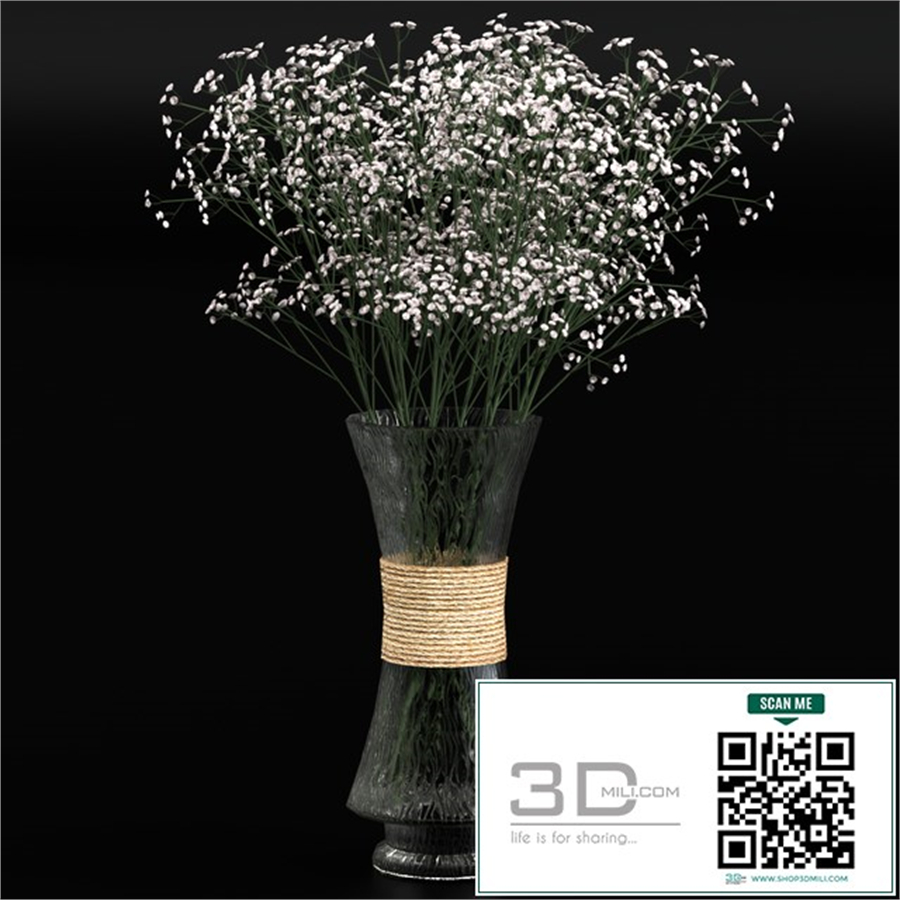
Gypsophila, also known as *baby's breath*, is more than just a filler flower. Its delicate, tiny blooms possess a unique charm that transforms any floral arrangement into something truly special. This exploration dives deep into the artistry and design possibilities surrounding a *bouquet of gypsophila*, moving beyond its common perception as a mere accessory to showcase its impressive versatility and inherent beauty.
Part 1: Understanding Gypsophila – More Than Just Filler
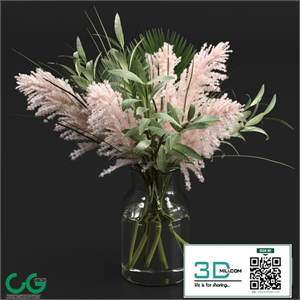
The seemingly simple *gypsophila* flower, with its countless tiny blossoms, possesses a surprising level of design complexity. Its airy, cloud-like structure lends itself to a range of aesthetic styles, from rustic and romantic to modern and minimalist. Understanding the different *types of gypsophila* is crucial to effective design. Some varieties boast larger, more prominent flowers, while others maintain the classic delicate structure. *Color variations*, though typically white, also extend to shades of pink and even green, expanding the design palette considerably.
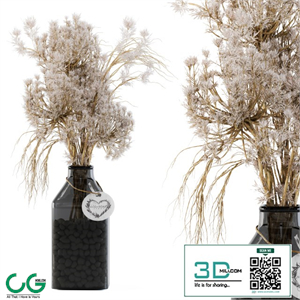
The *texture* of gypsophila is another key element. Its fine, wispy stems and delicate blooms create a sense of lightness and airiness, contrasting beautifully with bolder, more structured flowers. This textural contrast is a cornerstone of successful floral design, adding depth and visual interest to a bouquet. This textural element also allows for the skillful manipulation of *space and volume* within the arrangement, allowing for strategic placement to highlight other flowers or create focal points. The *fragility* of the flower, however, requires careful handling and consideration during the design process. Knowing how to work with this fragility is essential to achieving a lasting and beautiful bouquet.
Part 2: Design Principles: Maximizing the Potential of Gypsophila
Creating a truly captivating *bouquet of gypsophila* relies on a strong understanding of fundamental design principles. *Balance* is paramount; the airy nature of gypsophila requires careful consideration of other elements to prevent the bouquet from appearing lopsided or unbalanced. *Proportion* plays a significant role in determining the overall aesthetic. Too much gypsophila can overwhelm, while too little might diminish its impact. The key lies in finding the right balance between the gypsophila and any accompanying flowers or foliage.
*Color theory* is another crucial aspect. The versatility of gypsophila allows it to complement a wide range of colors. White gypsophila, for instance, provides a neutral backdrop that enhances the vibrancy of other flowers. Pink gypsophila, on the other hand, introduces a softer, more romantic palette. Understanding how colors interact and complement each other is vital for achieving a cohesive and visually appealing bouquet.
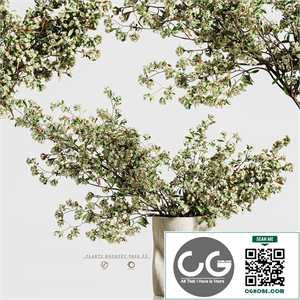
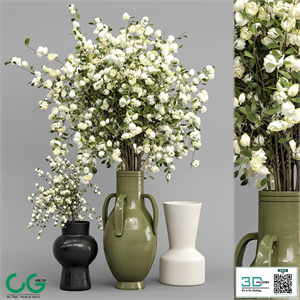
The *arrangement style* significantly impacts the final look. A *loose, cascading arrangement* emphasizes the airy nature of the gypsophila, creating a romantic and flowing aesthetic. A more *structured, tightly arranged bouquet* might highlight its delicate texture within a more formal design. The choice of container also plays a vital role. A simple vase accentuates the purity of the gypsophila, while a more ornate container can add a touch of elegance or drama.
Part 3: Gypsophila in Different Design Contexts: From Weddings to Everyday Arrangements
The *versatility of gypsophila* extends to a multitude of design contexts. In *wedding floristry*, it's a popular choice for bridal bouquets, centerpieces, and ceremony decorations. Its delicate beauty adds a touch of romance and elegance to any wedding theme, from rustic chic to classic elegance. The *adaptability* to different color palettes and arrangements makes it a versatile choice for various wedding styles. Whether paired with roses, peonies, or wildflowers, gypsophila subtly enhances the overall visual appeal.
Beyond weddings, gypsophila finds its place in many other contexts. Its airy quality makes it ideal for *casual arrangements*, adding a touch of whimsy and charm to everyday settings. In *modern minimalist design*, the simplicity of gypsophila becomes a statement piece, showcasing its understated beauty. Its delicate texture also complements other minimalist elements, such as clean lines and neutral color palettes. For *funeral arrangements*, gypsophila often symbolizes innocence and purity, providing a delicate and comforting presence. The subtle elegance of the flower resonates with the sentiments of remembrance and peace.
*Commercial applications* also utilize the enduring appeal of gypsophila. Its durability and long-lasting qualities make it a popular choice for both fresh and dried arrangements sold in florists' shops and online retailers. The *cost-effectiveness* compared to other floral options further contributes to its widespread use. Therefore, understanding its market viability and diverse applications is crucial for both floral businesses and consumers.
Part 4: Creating Your Own Gypsophila Bouquet: A Step-by-Step Guide
Creating your own *gypsophila bouquet* is a rewarding experience, allowing for personalization and creative expression. Start by gathering your materials: fresh gypsophila stems, any additional flowers or foliage you wish to incorporate, floral shears, a vase or container of your choice, and floral tape or ribbon.
1. Preparation: Begin by trimming the stems of the gypsophila to the desired length. Remove any excess leaves that will fall below the waterline in your vase to prevent bacterial growth. Similarly, prepare any other flowers or foliage you will be including.
2. Arrangement: If incorporating additional flowers, start by creating a focal point with these, then build around them with the gypsophila. The key is to strategically place the gypsophila to create a balance and visual harmony. Consider layering the gypsophila for added depth.
3. Securing the Bouquet: Use floral tape or ribbon to secure the stems together at the base of the bouquet. This step is particularly crucial for larger arrangements to maintain their shape and prevent the stems from separating.
4. Finishing Touches: Place the completed bouquet in your chosen vase, ensuring that the water level is adequate. Consider adding floral food to prolong the lifespan of your arrangement.
Part 5: The Enduring Appeal of a Gypsophila Bouquet: Symbolism and Beyond
Beyond its aesthetic qualities, gypsophila holds *symbolic meaning*, varying across cultures and contexts. It's often associated with *purity, innocence, and eternal love*. This symbolic meaning contributes to its frequent use in wedding bouquets and other celebratory events. The delicate nature of the flower also represents *fragility and grace*.
However, the *lasting appeal* of a gypsophila bouquet stems not solely from its symbolism, but from its versatility. It adapts seamlessly to various styles and occasions, making it a timeless choice for both personal and professional floral designs. Its affordability and ease of care also contribute to its continued popularity. Ultimately, a bouquet of gypsophila is a testament to the power of simplicity and understated elegance. The delicate beauty of this flower, often overlooked, holds a captivating charm that elevates any floral arrangement.