## The Art and Science of Bouquet Design: A Comprehensive Exploration
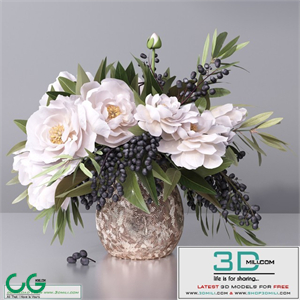
Bouquets. The word itself evokes images of vibrant colors, fragrant blooms, and the delicate artistry of nature's most exquisite creations. But a truly exceptional bouquet is so much more than just a collection of pretty flowers. It's a carefully orchestrated composition, a testament to the skill and understanding of the floral designer, and a powerful expression of emotion and intent. This exploration delves into the multifaceted world of bouquet design, examining its history, the crucial elements of construction, and the diverse styles that cater to a spectrum of tastes and occasions.
Part 1: A Historical Perspective on Bouquet Design
The history of *bouquets* is surprisingly rich and intertwined with social customs and cultural significance. While the earliest forms of flower arrangements may date back to ancient civilizations, the concept of the *bouquet* as we know it—a carefully arranged handheld cluster of flowers—emerged during the Victorian era. In this period, *floral language*, or floriography, flourished, with different flowers carrying specific meanings. The careful selection and arrangement of *flowers* became a subtle form of communication, conveying emotions too delicate or complex for words. A *red rose*, for instance, symbolized passionate love, while a *white lily* represented purity and innocence. This intricate code added a layer of depth and intrigue to the presentation of *bouquets*, transforming them from mere adornments into powerful symbols of affection, remembrance, or even secret messages.
The evolution of *bouquet design* continued throughout the 20th and 21st centuries. The Art Deco movement, for example, influenced designs with its geometric precision and sleek lines. Modern styles often incorporate more organic and natural forms, reflecting a growing appreciation for sustainable and locally sourced *flowers*. The influence of various art movements, cultural trends, and technological advancements has continuously shaped the aesthetic and techniques of *bouquet design*, resulting in the diverse and innovative styles we see today. The *modern* *bouquet*, therefore, is a testament to centuries of evolving artistry and cultural expression.
Part 2: The Fundamental Elements of Bouquet Construction
Creating a truly stunning *bouquet* demands more than simply selecting beautiful *flowers*; it requires a deep understanding of several crucial elements. These elements work in concert to achieve the desired aesthetic and ensure the longevity of the arrangement.
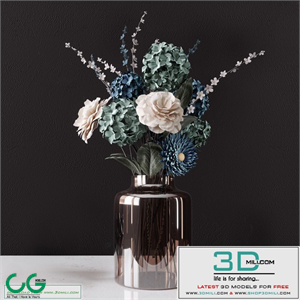
* Flower Selection: The very foundation of any *bouquet* is the choice of *flowers*. This involves considering factors like *color*, *texture*, *shape*, *size*, and *seasonality*. The *palette* of colors chosen can significantly impact the overall mood and feeling of the *bouquet*. Warm colors like *reds* and *oranges* evoke passion and energy, while cool colors such as *blues* and *purples* create a sense of calm and serenity. The *texture* of the *flowers* adds another layer of visual interest, with smooth petals contrasting beautifully with ruffled or feathery ones. Different *shapes* and *sizes* of *flowers* create depth and visual rhythm within the arrangement. Finally, *seasonality* is crucial, ensuring the freshest and most vibrant *flowers* are used, enhancing both the appearance and longevity of the *bouquet*.
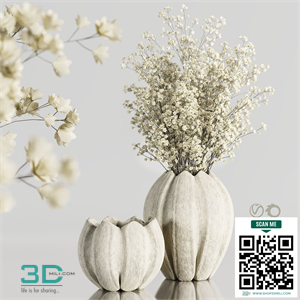
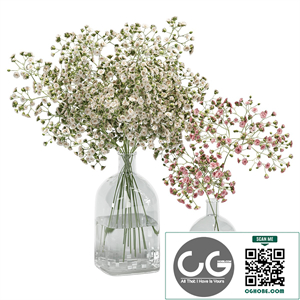
* Foliage and Filler Flowers: The *foliage* and *filler flowers* are not merely secondary elements; they are essential for creating balance, texture, and visual flow within the *bouquet*. *Greenery* provides a supportive framework, highlighting the focal *flowers* and adding depth to the arrangement. *Filler flowers*, such as *baby's breath* or *solidago*, add volume and textural contrast, preventing the main *flowers* from appearing isolated. Careful consideration of the *color*, *shape*, and *texture* of the *foliage* and *filler flowers* is crucial for achieving a harmonious and balanced *bouquet*.
* Arrangement Techniques: The skillful arrangement of the *flowers* and foliage is paramount. The designer must consider the *shape* and *size* of the *bouquet*, the *focal point*, and the overall *balance* of the composition. Different *techniques*, such as *spiral arrangements*, *nosegays*, and *cascade arrangements*, are employed to create specific looks and styles. The *positioning* of each element is intentional, contributing to the overall aesthetic and structural integrity of the *bouquet*. The arrangement must not only be visually appealing but also mechanically sound, ensuring that the *flowers* remain securely in place and maintain their freshness for as long as possible.
* The Importance of Conditioning: The *conditioning* of *flowers* is a crucial yet often overlooked aspect of *bouquet design*. Proper *hydration* and *processing* of the *flowers* before arrangement is vital for extending their lifespan and preventing wilting. Techniques such as *re-cutting stems* at an angle, removing lower leaves, and using flower food all contribute to maintaining the freshness and beauty of the *bouquet*. The investment in proper *conditioning* directly correlates with the longevity and overall impact of the finished product.
Part 3: Exploring Diverse Styles and Trends in Bouquet Design
The world of *bouquet design* is remarkably diverse, offering a spectrum of styles to suit every personality, occasion, and aesthetic preference.
* Classic Bouquets: These *bouquets* are characterized by their timeless elegance and symmetrical design. Often featuring a carefully curated selection of premium *flowers*, they radiate sophistication and are ideal for formal occasions such as *weddings* and *galas*. The *arrangement* is usually dense and structured, showcasing the beauty of individual *flowers* within a cohesive whole. Classic *bouquets* embody the enduring appeal of traditional floral design.
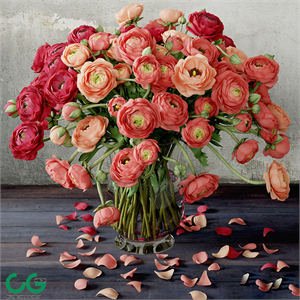
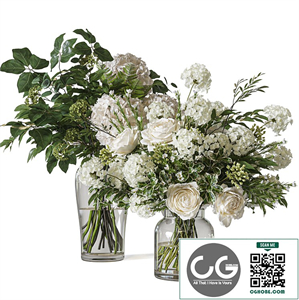
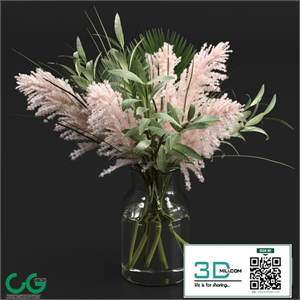
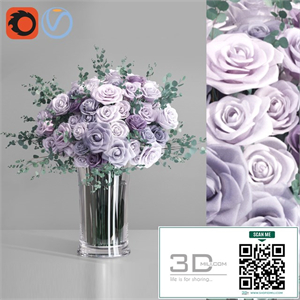
* Romantic Bouquets: These *bouquets* exude soft, flowing lines and feature delicate, pastel-hued *flowers*. They often incorporate elements such as *lace*, *ribbons*, and *pearl accents*, enhancing their dreamy and ethereal appeal. Romantic *bouquets* are perfect for *weddings* and other celebrations that emphasize love and tenderness. The arrangement aims for a less structured, more whimsical aesthetic.
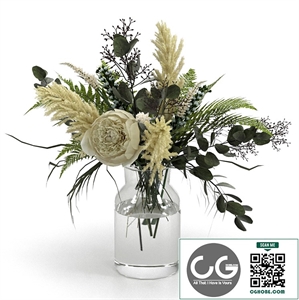
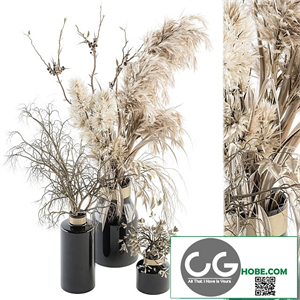
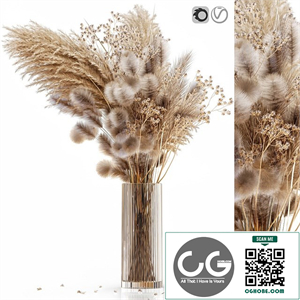
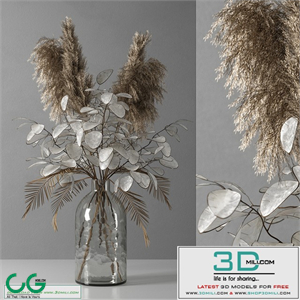
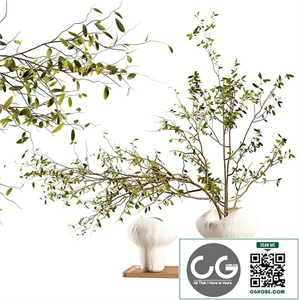
* Bohemian Bouquets: Embracing an *organic* and *wildflower* aesthetic, these *bouquets* feature a mix of textures, colors, and shapes. They are often less structured than other styles, reflecting a sense of *freedom* and *spontaneity*. Bohemian *bouquets* are ideal for *outdoor weddings*, *rustic events*, and settings where a less formal and more natural feel is desired.
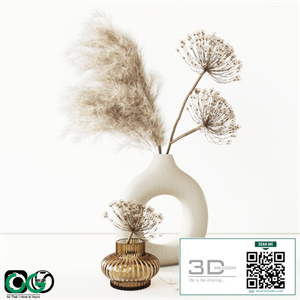
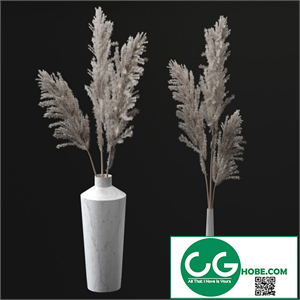
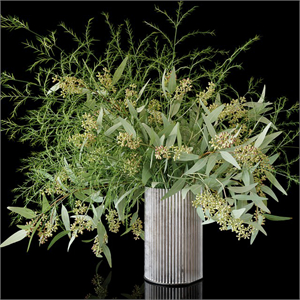
* Modern Bouquets: Modern *bouquets* focus on clean lines, minimalist design, and unique color combinations. They often feature *geometric shapes* and a curated selection of *modern flower varieties*. These *bouquets* are perfect for contemporary settings and celebrations where sleek simplicity is valued over traditional aesthetics. Modern *bouquets* reflect a contemporary appreciation for clean, uncluttered lines and boldness in color choice.
* Wildflower Bouquets: These *bouquets* celebrate the natural beauty of *wildflowers*, showcasing a profusion of colors and textures. They evoke a feeling of *untamed beauty* and are perfect for those who appreciate a more organic and unrefined aesthetic.
The ever-evolving world of *bouquet design* is a dynamic reflection of changing tastes and trends. Exploring these different styles allows for a personalized expression of style and celebration of significant moments, making each *bouquet* a unique and cherished creation.
Part 4: The Future of Bouquet Design
The future of *bouquet design* promises to be as vibrant and innovative as its past. Several key trends are shaping the direction of this art form:
* Sustainability: An increasing focus on *sustainable practices* is driving the use of locally sourced *flowers*, eco-friendly packaging, and responsible growing methods. This reflects a growing awareness of the environmental impact of the floral industry and a commitment to creating beautiful *bouquets* in a way that minimizes harm to the planet.
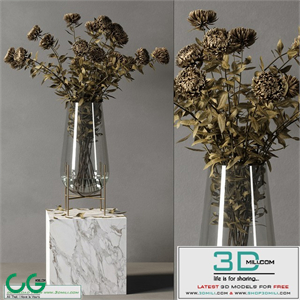
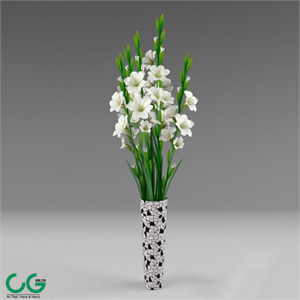
* Technology: Technology is playing an increasingly important role in *bouquet design*, with tools such as *3D modeling* and *virtual reality* allowing designers to create and visualize arrangements before they are even assembled. This enhances both the efficiency and precision of the design process.
* Personalization: The trend toward *personalization* is leading to a greater emphasis on creating *bouquets* that reflect individual tastes and preferences. Designers are collaborating more closely with clients to create bespoke arrangements that capture their unique personality and style.
* Creative Exploration: Designers are constantly exploring new and innovative techniques, pushing the boundaries of traditional *bouquet design*. This experimentation involves exploring unconventional materials, incorporating unexpected elements, and developing fresh approaches to arrangement and composition.
The continued evolution of *bouquet design* promises a future filled with breathtaking creations that combine artistry, sustainability, and technological innovation. The art of the *bouquet* will continue to captivate and inspire, evolving to meet the ever-changing demands of aesthetics and cultural trends while upholding its powerful ability to communicate emotion and celebrate life's special moments.