## The Enduring Serenity: Exploring the Design of a Buddha Head
The *Buddha head*, a seemingly simple form, holds a profound depth of meaning and artistic expression. This essay will delve into the multifaceted aspects of designing a Buddha head, exploring its historical context, symbolic significance, stylistic variations, and the challenges and rewards inherent in its creation. We'll examine everything from the subtle nuances of facial features to the broader implications of its posture and setting, ultimately aiming to understand why this enduring image continues to captivate artists and audiences alike.
Part 1: Historical Context and Symbolic Significance
The representation of the *Buddha* in art emerged centuries after his death, evolving significantly across different cultures and periods. Early depictions, often found in *Gandharan* art (present-day Pakistan and Afghanistan), showcased a *Greek* influence, resulting in a more realistic and often idealized portrayal. These early *Buddha* images, including the *head*, often featured flowing robes and a serene, almost classical, countenance. Over time, distinct regional styles emerged, including the *Mathura* school in India, characterized by a more rounded and softer form, and the later *Pala* style known for its elegant lines and meditative pose.
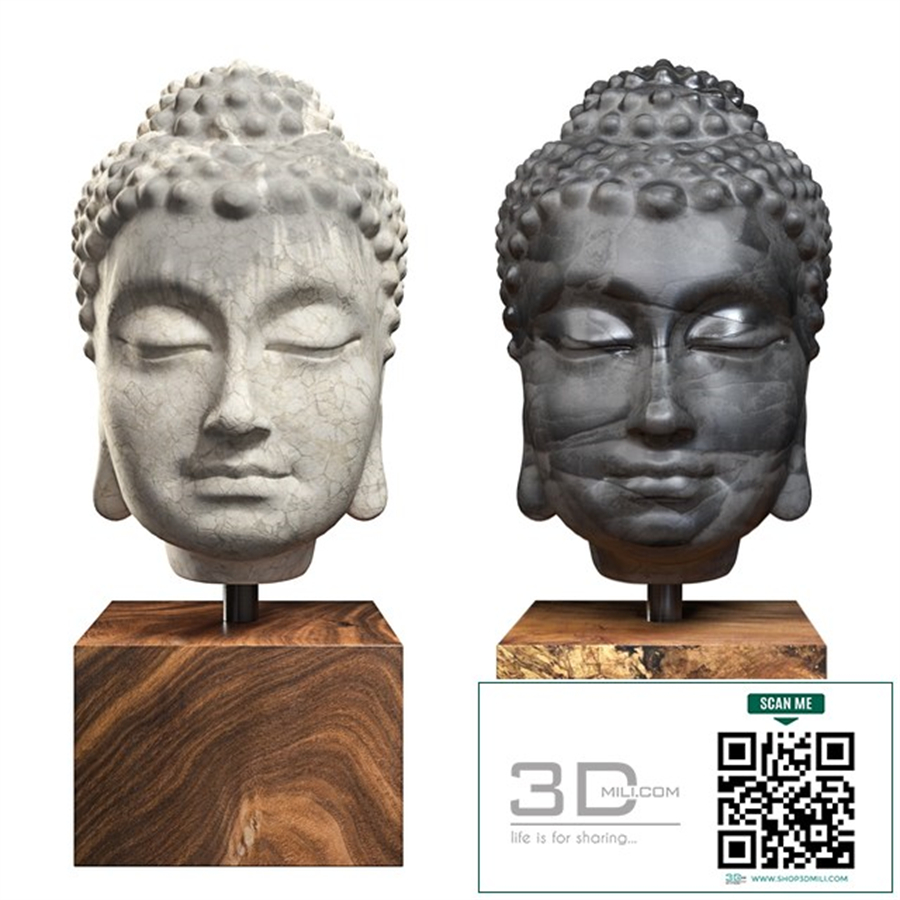
The *symbolic meaning* of the *Buddha head* is richly layered. The *serene expression* often depicted embodies the achievement of *Nirvana*, the ultimate state of enlightenment. The *closed eyes* symbolize inner peace and detachment from worldly concerns. The *ushnisha*, the cranial protuberance atop the head, represents wisdom and spiritual insight. The *urna*, a mark between the eyebrows, symbolizes the third eye, representing wisdom and insight. The *elongated earlobes*, a common feature, signify the weight of wisdom accumulated over many lifetimes. Even the *subtle curve* of the neck and the *gentle slope* of the shoulders contribute to the overall impression of tranquility and spiritual grace. The *Buddha head*, therefore, is not simply a portrait; it is a powerful *symbol* of spiritual attainment, inviting contemplation and introspection in the viewer.
Part 2: Stylistic Variations and Artistic Choices
The *design* of a *Buddha head* is far from uniform. Artists have employed a vast array of stylistic approaches, reflecting diverse cultural influences and artistic interpretations. Consider the stark differences between the *realistic* depictions of the early *Gandharan* style and the *abstract* and almost geometric representations found in some *Tibetan* art. The *material* itself plays a crucial role, influencing both the aesthetic and the symbolic weight of the piece. Stone *Buddha heads*, particularly those carved from granite or marble, exude a timeless quality and a sense of weighty permanence. Bronze *Buddha heads*, on the other hand, often possess a softer, more approachable quality, their patina hinting at the passage of time and the accumulation of spiritual wisdom. Wood, clay, and even jade have also been employed, each material imparting its unique texture and character to the *final product*.
The *composition* of the *Buddha head*, even without the body, presents significant artistic challenges. The artist must master the delicate balance between *realism* and *idealization*. A *realistic* rendering might capture the individual characteristics of a specific historical figure, while an *idealized* representation focuses on universal qualities of enlightenment and spiritual attainment. The *angle* of the head, the subtle *tilt* of the chin, the *placement* of the *hands* (if included), all contribute to the overall expression and emotional impact. The *treatment of the hair*, whether tightly curled, smoothly combed, or rendered in stylized flames, further distinguishes different styles and periods.
Part 3: The Creative Process: From Concept to Completion
Designing a *Buddha head* requires a deep understanding not only of art history and symbolic language but also of the technical aspects of the chosen medium. The process, regardless of the chosen material, often begins with careful planning and sketching. The artist must establish the overall *composition*, considering the *proportion*, *balance*, and *flow* of the form. Detailed *sketches* allow for the refinement of the facial features, ensuring that the *expression* conveys the desired sense of peace and serenity. The *modeling* stage, whether in clay, wax, or digital space, allows for further refinement of the form, capturing the subtle curves and contours of the head and face. The final stage involves the careful execution of the *piece*, whether through carving, casting, or sculpting.
For *stone carving*, for instance, the artist might begin by roughing out the basic form before carefully chiseling away at the material, gradually refining the details. In *bronze casting*, a detailed wax model serves as the basis for the creation of a mold, which is then filled with molten bronze. Each technique presents its own unique challenges and demands a high level of skill and precision. The process is a journey of painstaking attention to detail, a testament to the artist’s dedication to capturing the essence of *spiritual serenity*.
Part 4: The Enduring Appeal of the Buddha Head
The *Buddha head*, despite its apparent simplicity, continues to hold a powerful appeal for artists and audiences alike. Its enduring fascination stems from its ability to transcend cultural boundaries and speak to universal human aspirations. The *serene expression* it often portrays offers a moment of respite from the anxieties of daily life, a reminder of the potential for inner peace and tranquility. Furthermore, the *Buddha head* serves as a potent *symbol* of hope and resilience, reminding us of the possibility of overcoming suffering and achieving enlightenment.
The *design* of a *Buddha head*, therefore, is not merely an aesthetic exercise; it is an act of spiritual creation, a journey of artistic exploration and profound meditation. The *final product*, regardless of its style or material, becomes a powerful testament to the artist's skill and the enduring legacy of the *Buddha* himself. The *Buddha head*, in its various manifestations, stands as a timeless symbol of peace, wisdom, and the enduring human quest for enlightenment. The continued exploration and interpretation of this iconic form ensure its relevance and power for generations to come. The diverse stylistic choices and interpretations allow for a continued dialogue between artist and observer, fostering a deeper understanding and appreciation of both the artistic process and the profound spiritual meaning embedded within the *Buddha head*.