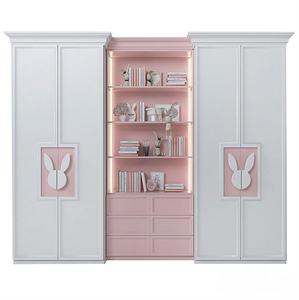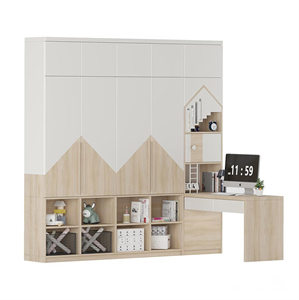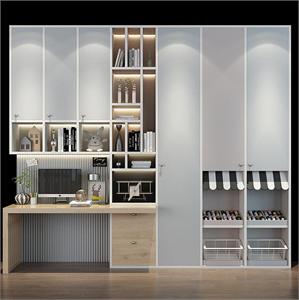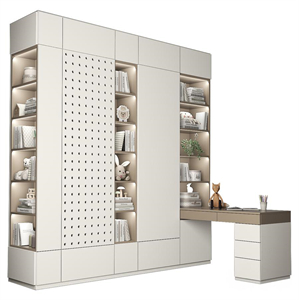
## Children's Furniture: A Design Deep Dive (Part 1: Safety & Functionality)
Designing furniture for children is far more than simply shrinking adult designs. It requires a profound understanding of *child development*, *safety regulations*, and the unique *physical and cognitive needs* of young users. This multifaceted design challenge necessitates a holistic approach that prioritizes *safety* above all else, while also fostering *creativity*, *durability*, and *adaptability*. This series will explore the key design considerations involved in creating exceptional children's furniture.
### Prioritizing Safety: A Paramount Concern
The most crucial aspect of children's furniture design is *safety*. Young children are inherently curious and prone to accidents. Therefore, the design must minimize potential hazards. This involves adhering to stringent safety standards and regulations, such as those set forth by organizations like the *ASTM International* (American Society for Testing and Materials) and the *CPSC* (Consumer Product Safety Commission). These regulations cover aspects like:
* Edge and Corner Safety: Sharp edges and corners represent a significant risk of injury. Designs must incorporate *rounded edges*, *chamfers*, or protective *edge bumpers* to mitigate this risk. The use of soft materials on edges is also highly beneficial, especially for furniture intended for toddlers and younger children.
* Stability and Tip-Over Prevention: Furniture must be *extremely stable* to prevent tipping. This often requires *wider bases*, *lower centers of gravity*, and the incorporation of *anchoring mechanisms* to secure the furniture to walls. Drawers should have *self-closing mechanisms* and *safety stops* to prevent them from slamming shut on fingers.
* Material Selection: The *materials used* must be non-toxic, durable, and resistant to damage. This means avoiding materials containing *lead*, *phthalates*, or other harmful substances. *Solid wood*, *plywood*, and *high-quality plastics* are common choices, but careful sourcing and verification of materials are essential. The finishes applied to the furniture should also be *non-toxic* and *durable*, resisting scratches and chipping.
* Small Parts and Choking Hazards: Any small parts, such as loose hardware, must be securely fastened and inaccessible to children. Designs should avoid the inclusion of *small detachable components* that could present a *choking hazard*.
* Strength and Durability: Children's furniture needs to withstand significant wear and tear. The design should prioritize *robust construction* using strong materials and joinery techniques that can endure the rigors of everyday use. This includes consideration of *impact resistance* and the ability to withstand significant *forces* without breaking or collapsing.
### Functionality Meets Child Development
Beyond safety, functional design is paramount. Children's furniture must cater to their developmental stages and evolving needs. This involves:
* Ergonomics for Growing Bodies: The design must accommodate the *changing physical dimensions* of children as they grow. *Adjustable height features* are particularly useful for chairs and desks, allowing the furniture to adapt to the child's size over time. *Proper posture support* is also crucial, preventing back problems later in life. This might include the design of chair backs with *lumbar support* and desks with *adjustable tilt*.
* Age-Appropriate Design: The design should be *age-appropriate* in terms of both functionality and aesthetics. Toddlers need furniture that is *low to the ground* and *easy to access*, while older children may require more *complex storage solutions* and *adjustable workspaces*. The visual appeal should also cater to the child's developmental stage, with engaging colors and designs that stimulate their imaginations.
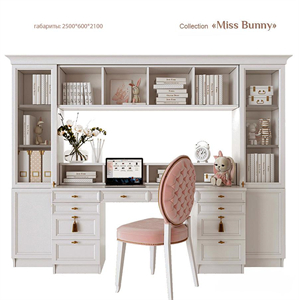
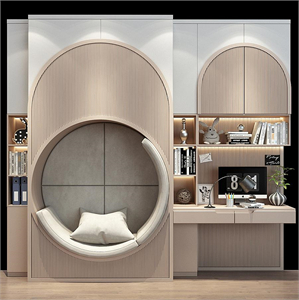
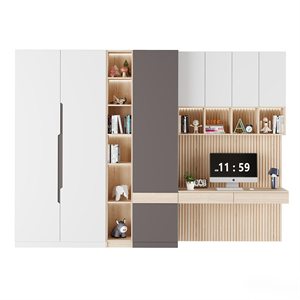
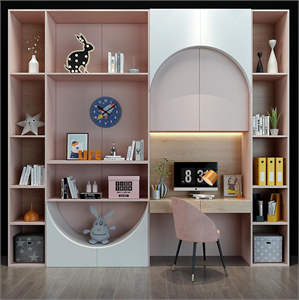
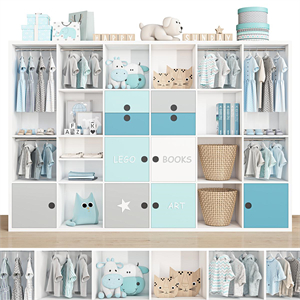
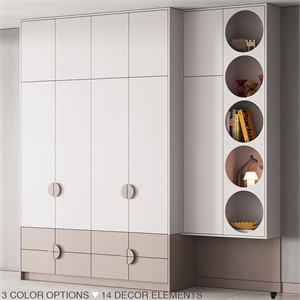
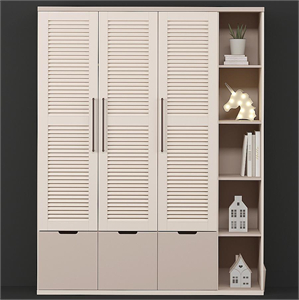
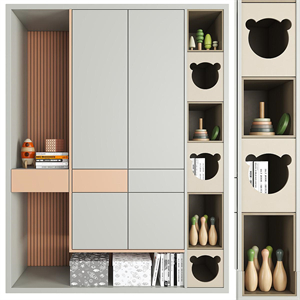
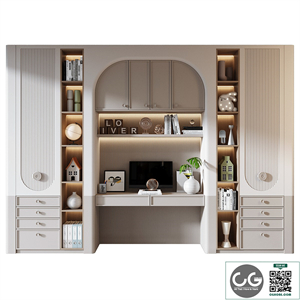
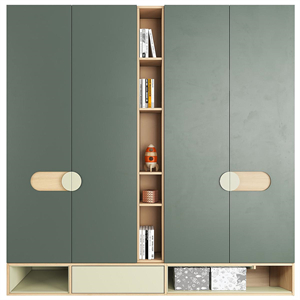
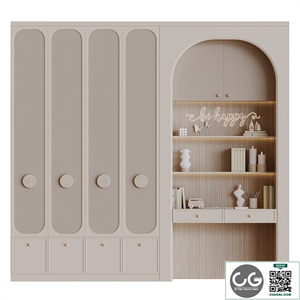
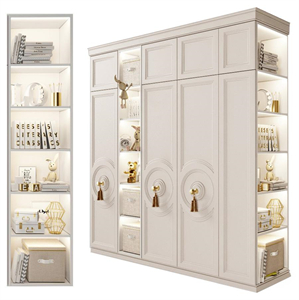
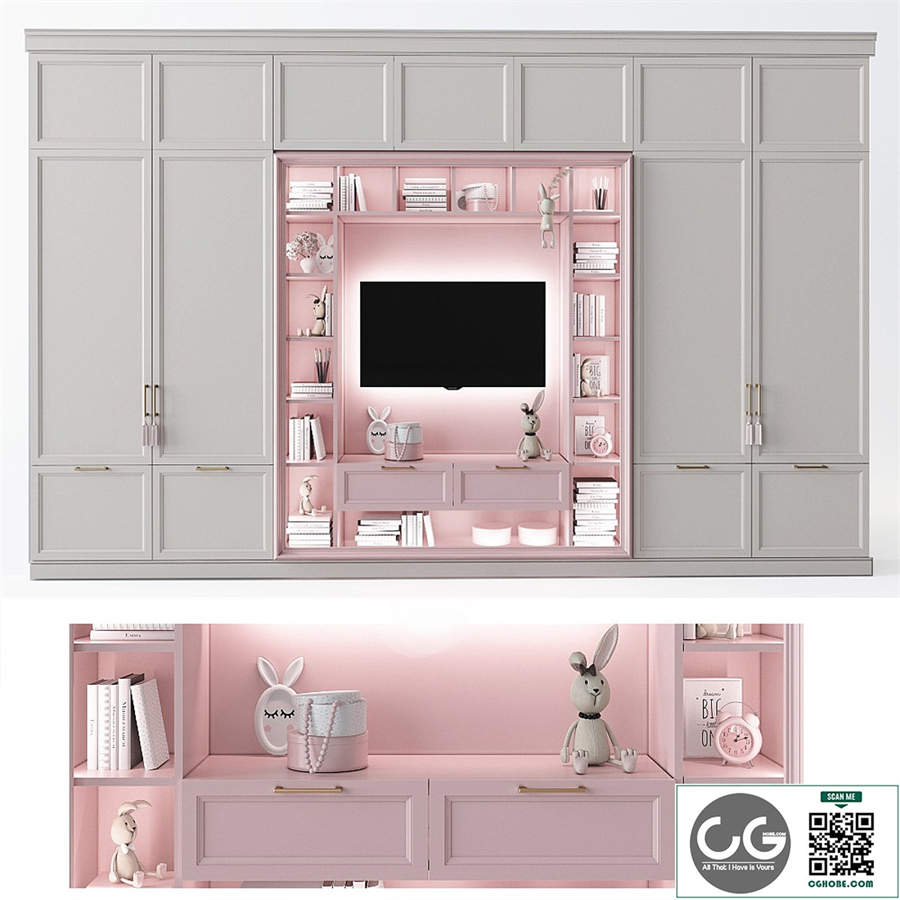
* Storage and Organization: Children often have a lot of toys and belongings. The furniture should include *integrated storage solutions*, such as drawers, shelves, and cubbies, to help them organize their things. This fosters good *organizational habits* from a young age. The storage should be *easily accessible* to the child while remaining *safe* and *secure*.
## Children's Furniture: A Design Deep Dive (Part 2: Aesthetics & Material Selection)
While safety and functionality are paramount, the aesthetic appeal of children's furniture is equally important. Children are highly sensitive to their environment, and furniture that is visually stimulating and engaging can positively impact their development and well-being. This section explores the crucial role of *aesthetics* and *material selection* in creating appealing and durable children's furniture.
### Aesthetics: Engaging Children's Imagination
The visual design of children's furniture can have a significant impact on their emotional development and creativity. Key considerations include:
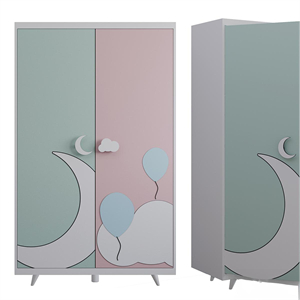
* Color and Pattern: The use of *bright, cheerful colors* can create a positive and stimulating environment. *Patterns and graphics* can add visual interest and engage children's imaginations. However, it's important to choose colors and patterns that are *age-appropriate* and not overly stimulating or distracting.
* Themes and Characters: Incorporating popular *themes* or *characters* from children's books, movies, or TV shows can make the furniture more appealing and engaging. However, it’s important to ensure that the designs are *timeless* and not overly tied to fleeting trends, which could date the furniture quickly. *Neutral themes*, like nature, can provide a timeless and ever-relevant element for a child's room.
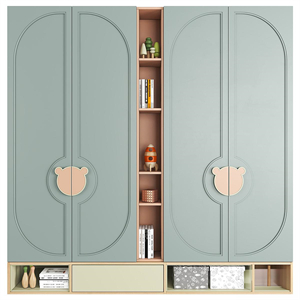
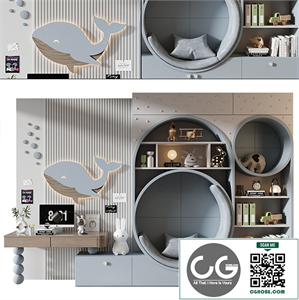
* Form and Shape: The form and shape of the furniture can significantly impact its aesthetic appeal. *Unconventional shapes* and *playful designs* can add a touch of fun and whimsy. But functionality should never be sacrificed for aesthetics. The design needs to be both visually appealing and comfortable for the child to use.
* Customization: Offering options for *personalization* can enhance the appeal of children's furniture. This could include the ability to choose colors, patterns, or add custom decals. Allowing children to participate in the design process can give them a sense of ownership and pride in their space.
### Material Selection: Durability and Sustainability
The choice of materials is vital for both the durability and safety of children's furniture. Key considerations include:
* Sustainability: Choosing *eco-friendly materials* is increasingly important. This involves selecting materials that are sustainably sourced and have a minimal environmental impact. *Recycled materials* and *sustainable wood* are excellent options. Consider the entire lifecycle of the materials – from sourcing to disposal – to minimize their footprint.
* Durability and Resilience: Children's furniture must withstand significant wear and tear. Therefore, it's essential to choose materials that are *durable*, *resistant to scratches and dents*, and *easy to clean*. *Solid wood* is a popular choice due to its strength and longevity, while *high-quality engineered wood* offers a balance of affordability and durability. *Plastics* can be useful for certain components, but should be chosen carefully to ensure they are *non-toxic* and *durable*.
* Non-Toxicity: Materials must be *non-toxic* and free from harmful substances such as *lead*, *formaldehyde*, and *phthalates*. This is especially important for younger children who might put furniture components in their mouths. Certifications like *GREENGUARD Gold* and *FSC (Forest Stewardship Council)* certification provide assurance of material safety and sustainability.
* Maintenance: The chosen materials should be easy to clean and maintain. *Stain-resistant finishes* can protect the furniture from spills and messes. Materials should be easily wiped down without damaging the finish or the underlying material.
By carefully considering these aesthetic and material aspects, designers can create children's furniture that is not only safe and functional but also visually engaging and conducive to a child's healthy development. The combination of carefully chosen materials and thoughtful design ensures that the furniture lasts for years, adapting to the child's growth and development.
## Children's Furniture: A Design Deep Dive (Part 3: Innovation and the Future)
The field of children's furniture design is constantly evolving, driven by advancements in materials, technology, and a greater understanding of child development. This final section explores emerging trends and the future of this critical design sector.
### Innovation in Design and Materials:
* Smart Furniture: Integration of *technology* into children's furniture is gaining traction. This includes features like built-in *lighting*, *charging ports*, and *interactive elements*. However, careful consideration is essential to ensure that technology is integrated in a *safe and age-appropriate manner*. Overly complex interfaces or features can be both overwhelming and potentially hazardous for younger children.
* Modular and Adaptable Designs: The increasing emphasis on *sustainability* is driving the development of *modular* and *adaptable designs*. Furniture that can be easily reconfigured or upgraded as a child grows reduces waste and extends the lifespan of the product. *Interchangeable parts* and *adjustable components* facilitate this adaptability.
* Bio-Based and Recycled Materials: The push for more *eco-friendly* products continues to fuel innovation in material selection. *Bio-based plastics*, *recycled wood*, and *sustainable fabrics* are increasingly prevalent, reflecting a growing awareness of environmental responsibility. Transparency in sourcing and manufacturing processes becomes essential to assure the consumer about the sustainability claims.
* 3D Printing and Customization: *3D printing* offers the potential for highly *customized* and *personalized* furniture designs. This allows for the creation of unique pieces tailored to individual children's needs and preferences. The technology also allows for complex shapes and structures that are difficult or impossible to achieve using traditional manufacturing methods.
### The Future of Children's Furniture Design:
* Focus on Wellbeing: The emphasis is shifting from purely functional designs towards pieces that actively contribute to a child's *physical and emotional wellbeing*. This includes features that promote *healthy posture*, *ergonomic design*, and a generally *calming and stimulating environment*.
* Inclusivity and Accessibility: A growing focus on *inclusivity* and *accessibility* is driving the design of furniture that caters to children with diverse needs and abilities. This includes considerations for children with disabilities or special requirements. Designing for a broader range of needs promotes a more equitable and accessible environment for all children.
* Emphasis on Durability and Longevity: The goal is to create furniture that can withstand years of use and adapt to the child’s changing needs. This reduces waste and contributes to a more *sustainable* approach to furniture production.
In conclusion, designing children's furniture requires a deep understanding of safety regulations, child development, and emerging trends in materials and technology. By prioritizing safety, functionality, aesthetics, and sustainability, designers can create furniture that not only meets the needs of young users but also contributes to their overall wellbeing and fosters a positive and stimulating environment. The future of children's furniture design lies in innovation, sustainability, and a commitment to creating products that are both functional and nurturing.