## Circle Decor: A Comprehensive Exploration of Round Design Elements in Interior Spaces
The humble circle. A seemingly simple shape, yet one imbued with powerful symbolism and aesthetic versatility. In the realm of interior design, the circle, in all its iterations, offers a unique and impactful way to elevate any space. This exploration delves into the multifaceted world of *circle decor*, examining its history, significance, and diverse applications in contemporary and traditional design schemes.
Part 1: The Symbolism and Psychology of Circles
Circles, unlike sharp-angled shapes like squares or triangles, possess a certain fluidity and completeness. This inherent quality contributes to their enduring appeal in various cultures and throughout history. The *circle* is often associated with:
* *Unity and Wholeness:* The unbroken line of the circle represents continuity, infinity, and the interconnectedness of all things. This symbolism makes it a popular choice for creating a sense of harmony and balance within a room. Using circular elements can subconsciously communicate a feeling of *cohesion* and *completeness*.
* *Harmony and Balance:* The symmetrical nature of the circle lends itself perfectly to creating a feeling of equilibrium and serenity. Incorporating circular elements, especially in contrasting arrangements with linear or angular forms, can achieve a visually pleasing sense of *balance*. Think of a circular rug anchoring a room with rectilinear furniture.
* *Protection and Security:* In many cultures, the circle represents a protective barrier, a safe haven. This symbolic meaning can be subtly incorporated into design by using circular elements as focal points, creating a sense of *enclosure* and *comfort* within a space. For instance, a round dining table can foster a feeling of intimacy and connection among those seated around it.
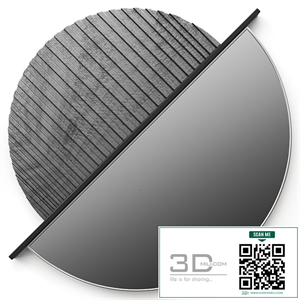
* *Movement and Flow:* The continuous curve of the circle suggests fluidity and movement. This characteristic can be particularly effective in creating a dynamic and energetic atmosphere. Strategically placed *circular mirrors*, for instance, can visually expand a space and amplify the sense of *flow*.
* *Timelessness and Eternity:* The circle's lack of beginning or end has led to its association with eternity and cyclical processes. This enduring quality makes it a versatile choice for both contemporary and classic design aesthetics. *Circular patterns* can add a sense of timeless elegance to any décor style.
Part 2: Practical Applications of Circle Decor in Interior Design
The application of *circle decor* is incredibly diverse, extending beyond simple circular objects. Here are some key examples:
* *Rugs and Carpets:* A *circular rug* is perhaps the most common and readily accessible way to introduce circular elements. They serve as anchors, defining zones within a larger space and adding textural interest. The size and material of the rug can drastically alter the room's feel, from a cozy intimacy (small, plush rug) to a grand statement (large, statement rug).
* *Mirrors:* *Circular mirrors* are both functional and aesthetically pleasing. They can visually expand a space, reflect light, and add a touch of elegance. Strategically placed, they can create focal points or highlight architectural details. The frame of the mirror adds to its visual impact; a simple frame maintains a modern minimalist feel, while an ornate frame adds a touch of vintage glamour.
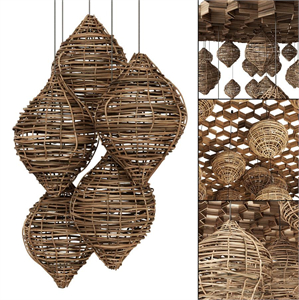
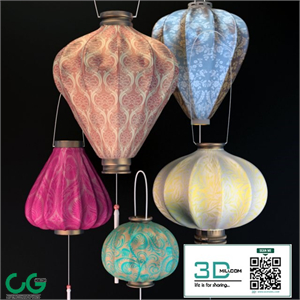
* *Lighting Fixtures:* *Circular pendant lights* or *chandeliers* serve as stunning focal points in any room. They add a touch of drama and sophistication, especially when paired with interesting materials like wrought iron, crystal, or textured glass. Consider scale and placement when choosing *lighting*; a small fixture may get lost in a large space, while an oversized fixture might overwhelm a small room.
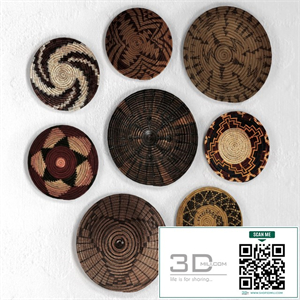
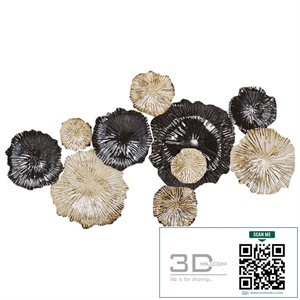
* *Artwork and Wall Decor:* Circular artwork, whether paintings, sculptures, or framed prints, adds visual interest and depth to a space. Clustering several smaller circular pieces can create a dynamic display, while a single, large circular artwork can serve as a dramatic focal point. Consider using *circular frames* to create a cohesive look within a gallery wall.
Part 3: Incorporating Circle Decor into Different Design Styles
The versatility of the circle allows it to seamlessly integrate into a variety of *interior design styles*:
* *Minimalist Design:* Simple, unadorned *circular elements* in neutral tones work beautifully in minimalist spaces. Think a simple, monochromatic circular rug or a sleek, frameless circular mirror. The focus is on clean lines and simplicity.
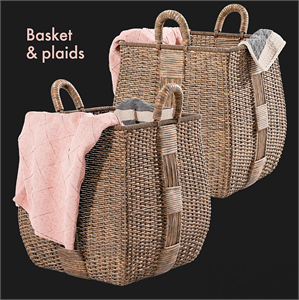
* *Bohemian Design:* *Circular rugs* with intricate patterns, macrame wall hangings, and woven baskets add to the eclectic and layered aesthetic of bohemian design. The use of natural materials and warm colors creates a relaxed and inviting ambiance.
* *Mid-Century Modern Design:* Clean lines and geometric shapes are hallmarks of Mid-Century Modern style. *Circular elements* can be integrated using simple pendant lights, streamlined furniture, or circular clocks with minimal detailing.
Part 4: Choosing the Right Circular Elements for Your Space
Selecting the right *circular decor* depends on several factors:
* *Scale and Proportion:* The size of the circular element should be in proportion to the size of the room. A small circular rug in a large space might get lost, while a large circular mirror in a small space might overwhelm it.
* *Color and Texture:* The color and texture of the circular element should complement the overall color palette and design style of the room. Consider using a contrasting texture to add visual interest.
* *Material:* The material of the circular element will affect both its aesthetic and durability. Natural materials like wood and stone add warmth, while metallic materials add shine and sophistication.
Part 5: Beyond the Obvious: Creative Uses of Circle Decor
The potential of *circle decor* goes far beyond the commonly used elements. Consider these creative applications:
* *Custom-made furniture:* Commission a custom-made circular sofa or coffee table to create a unique focal point.
* *Creative lighting solutions:* Experiment with string lights arranged in circular patterns to add a magical, whimsical touch.
* *Textured walls:* Incorporate circular motifs into the wall texture using molding, paint techniques, or even wallpaper.
In conclusion, the *circle* transcends its simple geometric form. It carries profound symbolic meaning and offers immense flexibility in design. By understanding its inherent qualities and exploring its versatile applications, you can effectively utilize *circle decor* to transform your living spaces into harmonious, balanced, and captivating environments. From subtle accents to bold statements, the circle provides a timeless and endlessly inspiring design element for homes of every style and size.