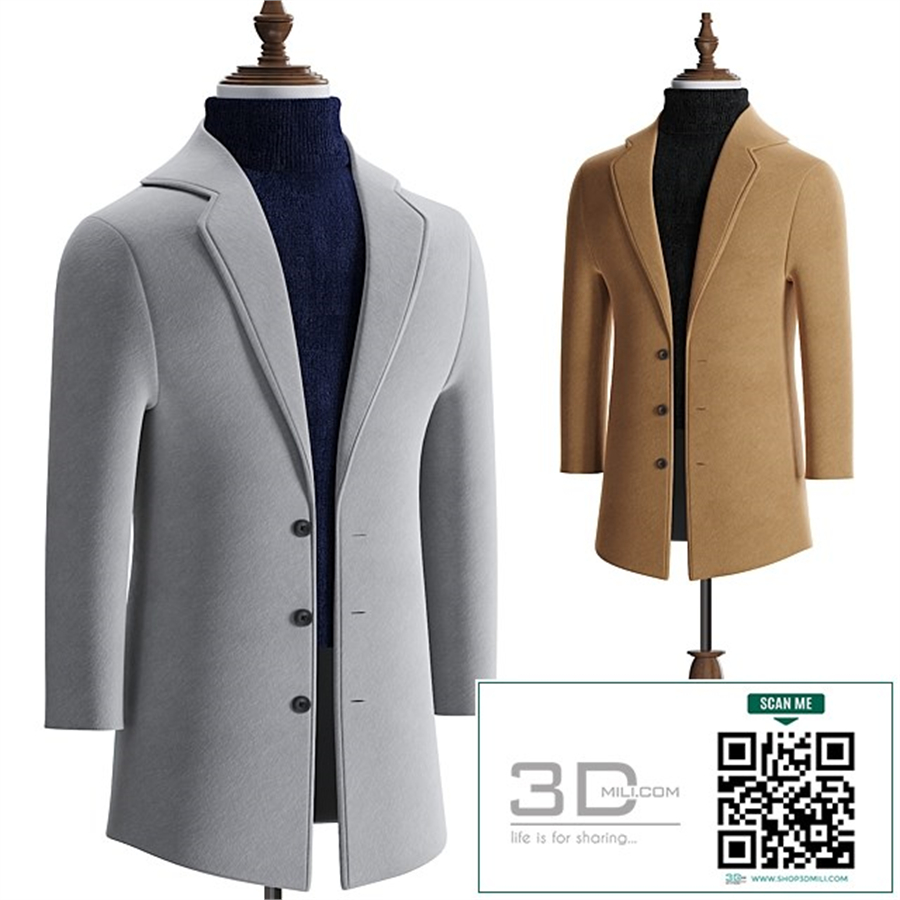
## The Art of the Men's Coat: A Deep Dive into Design and Style
The men's coat. A seemingly simple garment, yet a cornerstone of masculine style and a potent communicator of personality. From the rugged practicality of a *parka* to the sophisticated elegance of a *Chesterfield*, the coat transcends mere functionality; it's a statement piece, a canvas for self-expression, and a crucial element in navigating the ever-shifting landscape of fashion. This exploration delves into the rich tapestry of men's coat design, examining its history, the diverse styles available, the crucial considerations for choosing the right coat, and the importance of understanding fabric, fit, and overall aesthetic.
Part 1: A Historical Perspective on Men's Coats
The history of the men's coat is a long and fascinating one, reflecting societal shifts, technological advancements, and evolving sartorial preferences. Early forms of coats served primarily as *practical outerwear*, protecting against the elements. The *cloak*, a simple, often hooded garment, was common across numerous cultures for centuries. The development of more sophisticated tailoring techniques, particularly during the *18th and 19th centuries*, led to the emergence of iconic styles that continue to influence contemporary designs. The *frock coat*, with its long tails and structured silhouette, became a symbol of gentlemanly status. Its evolution gave rise to the more streamlined *Chesterfield coat*, characterized by its peak lapels and often velvet collar, epitomizing understated elegance and refined taste. The advent of *industrialization* and the rise of the *middle class* brought about more accessible, functional coat styles, such as the *overcoat*, designed for everyday wear. The 20th century saw the emergence of more casual styles, reflecting societal changes and the influence of *military and workwear*. The *trench coat*, initially designed for military use, became a popular civilian garment, while the *bomber jacket* exemplified a more rebellious and utilitarian aesthetic.
Part 2: Navigating the Diverse Landscape of Men's Coat Styles
The modern market offers a dizzying array of men's coat styles, each with its own unique character and intended purpose. Understanding these distinctions is crucial in selecting the perfect coat to complement your personal style and lifestyle.
* Classic & Formal: The *Chesterfield*, mentioned earlier, remains a timeless choice for formal occasions. The *topcoat*, a more versatile option, offers a balance of formality and practicality, suitable for both business and social settings. The *peacoat*, with its double-breasted design and sturdy construction, offers robust protection and a nautical flair.
* Casual & Everyday: The *bomber jacket*, with its sporty silhouette and often quilted or nylon construction, represents casual comfort. The *denim jacket*, a perennial favorite, effortlessly blends style and practicality. The *field jacket*, inspired by military designs, offers durability and functionality, while maintaining a stylish aesthetic. *Parkas*, designed for extreme cold weather, prioritize warmth and protection with their heavy insulation and often fur-trimmed hoods. The *car coat*, typically made from gabardine or other durable fabrics, offers a sophisticated yet relaxed look, suitable for a range of occasions.
* Specialized Coats: *Trench coats*, with their distinctive features such as epaulets and belted waist, remain a staple for their water-resistant properties and stylish profile. *Leather jackets*, synonymous with rebellion and rugged individualism, offer a timeless and versatile option. *Raincoats*, designed specifically for wet weather, prioritize water resistance and breathability. *Duffel coats*, with their distinctive toggles and hood, evoke a sense of classic style and practicality.
Part 3: The Importance of Fit, Fabric, and Details
Choosing the right men's coat requires careful consideration of several key factors beyond mere style. The *fit* is paramount. A poorly fitting coat can detract from even the most stylish design. The coat should drape comfortably without being overly tight or baggy. Shoulder seams should align naturally, and the length should be proportionate to your height and build. The *fabric* plays a vital role in determining both the coat's aesthetic and its functionality. *Wool* is a classic choice, offering warmth, durability, and a luxurious feel. *Cashmere* provides unparalleled softness and warmth, although it's more delicate and expensive. *Cotton* is a breathable and versatile option, suitable for warmer climates. *Leather* offers durability and a distinct aesthetic, while *nylon* and *polyester* provide water-resistant and lightweight alternatives.
The *details* contribute significantly to the overall impression of a coat. The *collar*, *lapels*, *buttons*, and *pockets* all play a role in the coat's style and functionality. Consider the occasion and the overall aesthetic you're aiming to achieve when selecting these details. The *lining* of a coat is also crucial; a high-quality lining enhances comfort and durability.
Part 4: Choosing the Right Coat for Your Lifestyle
Selecting the *perfect coat* is a personal journey, dependent on individual needs and preferences. Consider your *lifestyle*, *climate*, and *personal style* when making your choice. A city dweller might prioritize a versatile and stylish coat suitable for both work and leisure, while someone living in a colder climate will need a coat that offers maximum warmth and protection from the elements. Someone with a more formal style might opt for a classic Chesterfield or topcoat, while someone with a more casual aesthetic might prefer a bomber jacket or denim jacket. Consider the *color* and the *overall aesthetic* you want to project. A neutral color like navy or gray is versatile, while bolder colors can make a statement.
Part 5: Caring for Your Investment: Maintenance and Longevity
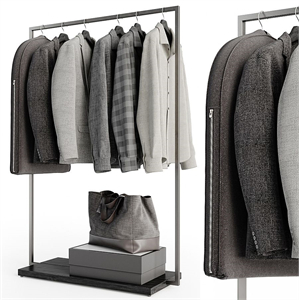
A well-chosen coat is an investment that should last for many years. Proper *care and maintenance* are crucial to ensuring its longevity. Always follow the care instructions provided by the manufacturer. Regular cleaning and appropriate storage will help to prevent damage and maintain the coat's appearance. For *wool coats*, dry cleaning is generally recommended, while some cotton or nylon coats can be machine washed. Proper *storage* is also crucial; store your coats in a cool, dry place, away from direct sunlight and moisture. Using a garment bag can protect the coat from dust and damage.
In conclusion, the world of men's coats is rich and varied, offering a vast array of styles and options to suit every taste and occasion. By understanding the history, the different styles, the importance of fit and fabric, and the nuances of individual design elements, you can confidently choose a coat that reflects your personal style, complements your lifestyle, and serves as a testament to your sartorial sensibility for years to come. The *perfect coat* is more than just outerwear; it’s an extension of your personality, a silent statement of your refined taste, and a crucial component of your overall look.