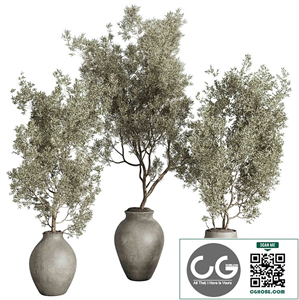
## The Allure of the *Coffee Tree*: A Deep Dive into its Cultivation, Processing, and Global Impact
The humble *coffee tree*, *Coffea*, a genus of flowering plants in the family Rubiaeae, is responsible for one of the world's most beloved beverages. Far from a simple plant, the coffee tree represents a complex interplay of environmental factors, agricultural practices, and socio-economic realities that shape its journey from seed to cup. This exploration delves into the multifaceted world of the coffee tree, uncovering its botanical intricacies, cultivation challenges, processing methods, and the profound impact it has on global economies and cultures.
Part 1: Botanical Characteristics and Species Diversity
The *coffee tree* is an evergreen shrub or small tree, typically ranging from 3 to 10 meters in height, though some species can grow taller. Its most recognizable features include its glossy, dark green leaves, fragrant white flowers, and vibrant red or yellow cherries containing the coveted beans. While the name suggests a single species, the genus *Coffea* encompasses over 100 different species, with only a handful contributing significantly to global coffee production.
The two most commercially significant species are *Coffea arabica* and *Coffea canephora* (commonly known as *Robusta*). *Arabica*, known for its superior flavor profile and aromatic complexity, accounts for roughly 60% of global production. It's generally considered to have a more delicate, sweeter taste with a higher acidity, compared to Robusta. *Robusta*, on the other hand, boasts a higher caffeine content, more robust body, and greater bitterness, making it a popular choice for espresso blends and instant coffee. Other species, such as *Liberica* and *Excelsa*, hold niche markets, appreciated for their unique characteristics, albeit on a much smaller scale.
The *botanical variations* within these species are further influenced by altitude, soil composition, rainfall, and temperature. These *environmental factors* play a crucial role in determining the final cup profile, impacting characteristics like acidity, sweetness, body, and aroma. High-altitude *Arabica*, for instance, often exhibits a cleaner, brighter flavor profile due to the slower maturation process at cooler temperatures.
Part 2: Cultivation Practices: From Seed to Cherry
Cultivating *coffee trees* is a labor-intensive process requiring careful attention to detail throughout various stages. The process begins with *seed propagation*, where seeds are carefully selected and sown in nurseries. Seedlings are then transplanted into the field, typically after 6-12 months, depending on the species and local conditions.
*Optimal growing conditions* are crucial for successful cultivation. Coffee trees thrive in regions with high rainfall, consistent temperatures, and well-drained soil. Altitude is a significant factor, with *Arabica* typically grown at higher altitudes (1000-2000 meters) for superior quality. The *spacing of trees* is another critical aspect, influencing sunlight penetration, air circulation, and overall yield.
*Shade management* is a crucial aspect of sustainable coffee farming. Historically, coffee was grown under the shade of larger trees, creating a more diverse and resilient ecosystem. However, *sun-grown coffee*, while offering higher yields, often requires more chemical inputs and can negatively impact biodiversity. The trend is increasingly towards more sustainable *shade-grown methods*, which provide numerous ecological benefits.
Pests and diseases represent a constant threat to coffee production. *Coffee leaf rust* (*Hemileia vastatrix*), a devastating fungal disease, has impacted global production significantly. *Proper pest and disease management*, including integrated pest management (IPM) strategies, is essential for minimizing losses and maintaining healthy yields.
Part 3: Processing and Post-Harvest Handling
Once the cherries ripen, they are harvested, typically by hand, a testament to the labor-intensive nature of *coffee production*. The *harvesting methods* vary, ranging from selective picking of only ripe cherries to strip-picking, which harvests both ripe and unripe cherries. Selective picking yields higher-quality coffee, while strip-picking is more efficient but results in a less consistent product.
After harvesting, the cherries undergo processing to separate the beans from the pulp and parchment. Two main processing methods exist: the *washed process* and the *dry process*. The washed process involves removing the pulp, fermenting the beans, and then drying them. This method generally yields a cleaner, brighter cup. The dry process, on the other hand, involves drying the cherries entirely before removing the pulp and parchment. This method produces a fuller-bodied, sweeter cup.
Post-harvest handling is equally critical in determining the final quality of the beans. Proper *drying methods* are crucial to prevent defects and preserve the beans' flavor characteristics. The beans are then sorted, graded, and often stored before being exported for roasting and consumption.
Part 4: The Global Impact of the *Coffee Tree*
The *coffee industry* is a global powerhouse, impacting millions of livelihoods across the globe. Producing countries in Latin America, Africa, and Asia rely heavily on *coffee exports* for economic revenue, often representing a significant portion of their GDP. However, this reliance also leaves these nations vulnerable to price fluctuations and market volatility.
The *socio-economic impact* of the coffee industry is complex. While it provides essential income and employment opportunities, it also presents challenges, including issues of fair trade, sustainable farming practices, and the exploitation of workers. The rise of *fair trade certifications* and other ethical sourcing initiatives aims to address these concerns by ensuring farmers receive fair prices and work under decent conditions.
The *environmental impact* of coffee production is also a significant concern. Deforestation, water pollution, and pesticide use are potential environmental consequences of unsustainable farming practices. The push towards sustainable and *eco-friendly coffee cultivation*, including agroforestry systems and organic farming, is crucial for mitigating these negative effects.
Part 5: The Future of *Coffee Cultivation*
The future of the *coffee tree* faces significant challenges, including climate change, evolving consumer preferences, and the need for sustainable practices. Climate change is already impacting coffee-growing regions, with altered rainfall patterns and increased temperatures threatening yields and quality. *Adaptation strategies*, such as developing climate-resilient varieties and improving water management practices, are crucial for safeguarding the future of coffee production.
The increasing demand for *specialty coffee* and ethical sourcing is driving a shift towards higher-quality, sustainably produced beans. Consumers are increasingly aware of the social and environmental impacts of their consumption choices, pushing for transparency and accountability in the supply chain.
The development of new *coffee varieties* with improved disease resistance, climate resilience, and superior cup quality is essential for ensuring the long-term viability of the coffee industry. *Research and development* efforts are focused on developing these varieties through both traditional breeding methods and advanced genetic engineering techniques.
In conclusion, the *coffee tree* is far more than a simple plant; it's a cornerstone of global economies and cultures, a symbol of community and connection. Its journey from seed to cup reflects a complex interplay of natural processes and human intervention, a story that continues to unfold as we strive to cultivate this precious resource in a sustainable and equitable manner. The future of coffee depends on our collective commitment to ensuring the health of the *coffee tree* and the well-being of those who cultivate it.