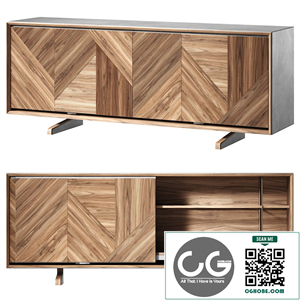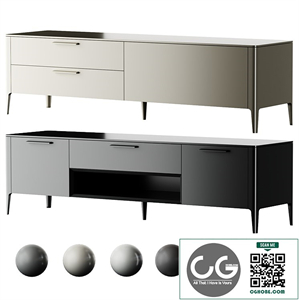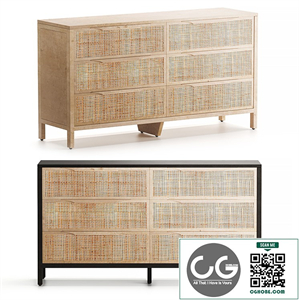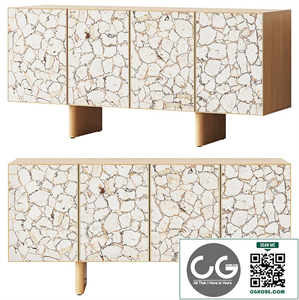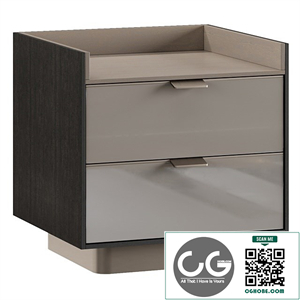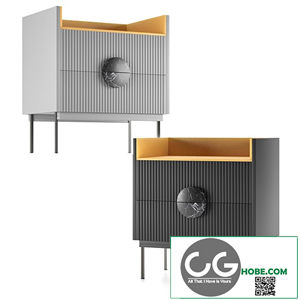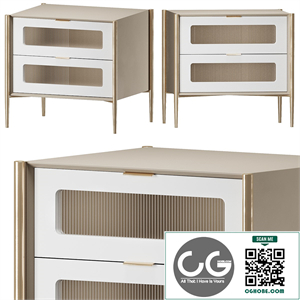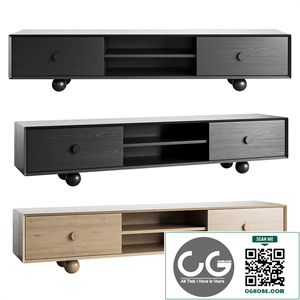
## The Credenza: From Humble Storage to Statement Piece
The humble credenza, a seemingly simple piece of furniture, has a rich history and a surprisingly versatile role in modern interiors. More than just *storage*, a credenza acts as a focal point, a design statement, and a functional workhorse. This exploration delves into the evolution of the credenza, its design elements, and how it interacts with décor to create captivating spaces. We’ll explore how choosing the *right credenza* and *complementing it with the right décor* transforms a room from ordinary to extraordinary.
### Part 1: Understanding the Credenza - A Historical Perspective and Design Evolution
The *credenza's* origins trace back centuries. Initially, it served primarily as a *buffet* or sideboard, a practical piece for storing tableware and serving food. Its name, derived from the Italian word "credenza," meaning "belief" or "trust," hints at its historical significance. In grand households, it often held valuable china and silverware, hence the implied trust placed in the *credenza's* ability to safeguard precious possessions.
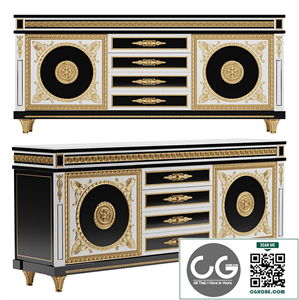
Over time, the *credenza* transcended its purely functional role. Its evolution reflects changing *design aesthetics* and technological advancements in *materials* and *manufacturing*. Early credenzas, often crafted from *solid wood* like *oak* or *mahogany*, featured ornate carvings and intricate detailing, reflecting the opulent styles of various historical periods – *Baroque*, *Rococo*, and *Victorian*. These pieces were statements of wealth and status, showcasing the craftsmanship of skilled artisans.
The 20th century saw a shift towards more minimalist designs. *Mid-century modern credenzas*, characterized by clean lines, simple forms, and the use of innovative materials like *veneer* and *laminate*, offered a refreshing contrast to the elaborate styles of the past. These pieces embodied the era's emphasis on functionality and practicality, while still maintaining a sense of elegance.
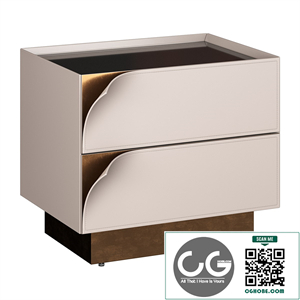
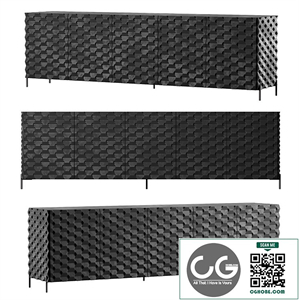
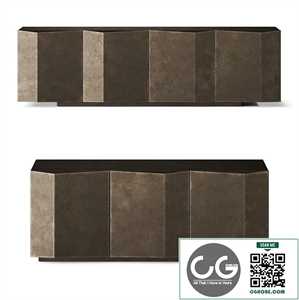
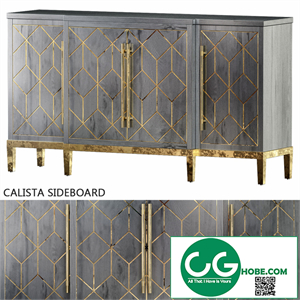
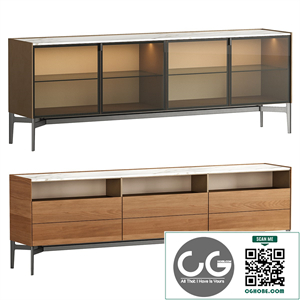
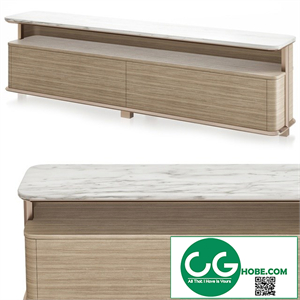
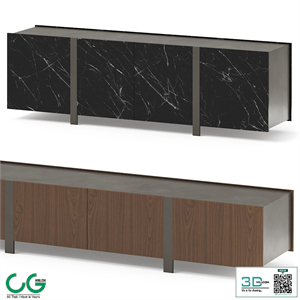
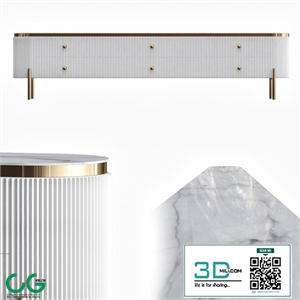
Today, the *credenza* continues to evolve, reflecting diverse *design trends*. From sleek, contemporary pieces made from *metal* and *glass* to rustic, farmhouse-style credenzas constructed from *reclaimed wood*, the options are limitless. This adaptability makes the *credenza* a highly sought-after piece of furniture for both residential and commercial spaces.
### Part 2: Design Elements and Choosing the Right Credenza
Selecting the *perfect credenza* involves considering several key design elements:
* Size and Scale: The *dimensions* of the credenza should be proportionate to the size of the room. A large credenza in a small space will overwhelm the area, while a tiny credenza in a spacious room will appear lost. Consider the *height*, *width*, and *depth* in relation to the available space and other furniture.
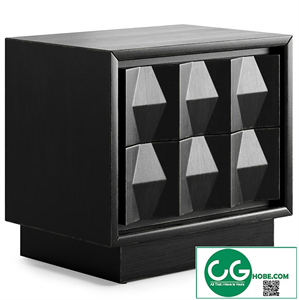
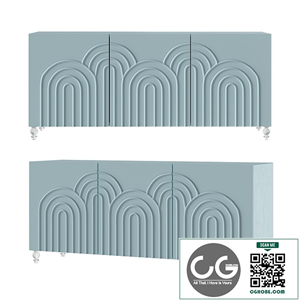
* Style and Aesthetics: The *style* of the credenza should complement the overall design scheme of the room. A *modern* credenza may clash with a traditional setting, while a *rustic* credenza might feel out of place in a minimalist space. Consider the *color*, *finish*, *materials*, and any *decorative elements* when choosing a style that aligns with your aesthetic preferences.
* Functionality and Storage: Assess your *storage needs*. Do you require ample *shelf space*, *drawers*, or a combination of both? Consider the *number of compartments* and their size to ensure they meet your storage requirements. Think about what you plan to store—*electronics*, *books*, *tableware*, or a combination.
* Materials and Construction: The *material* of the credenza significantly impacts its durability, aesthetics, and price. *Solid wood* offers superior quality and longevity, while *veneer* and *engineered wood* provide more affordable options. The *construction* should be sturdy and well-made to ensure lasting performance.
### Part 3: Credenza Decor – Elevating Style and Functionality
The *credenza*, once chosen, becomes a canvas for creative expression through décor. Its vast surface area allows for showcasing *decorative objects* and personal items, transforming a functional piece into a visually engaging focal point.
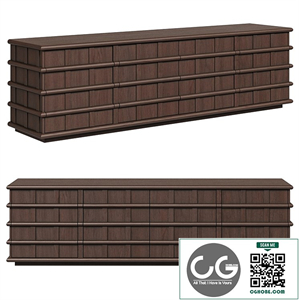
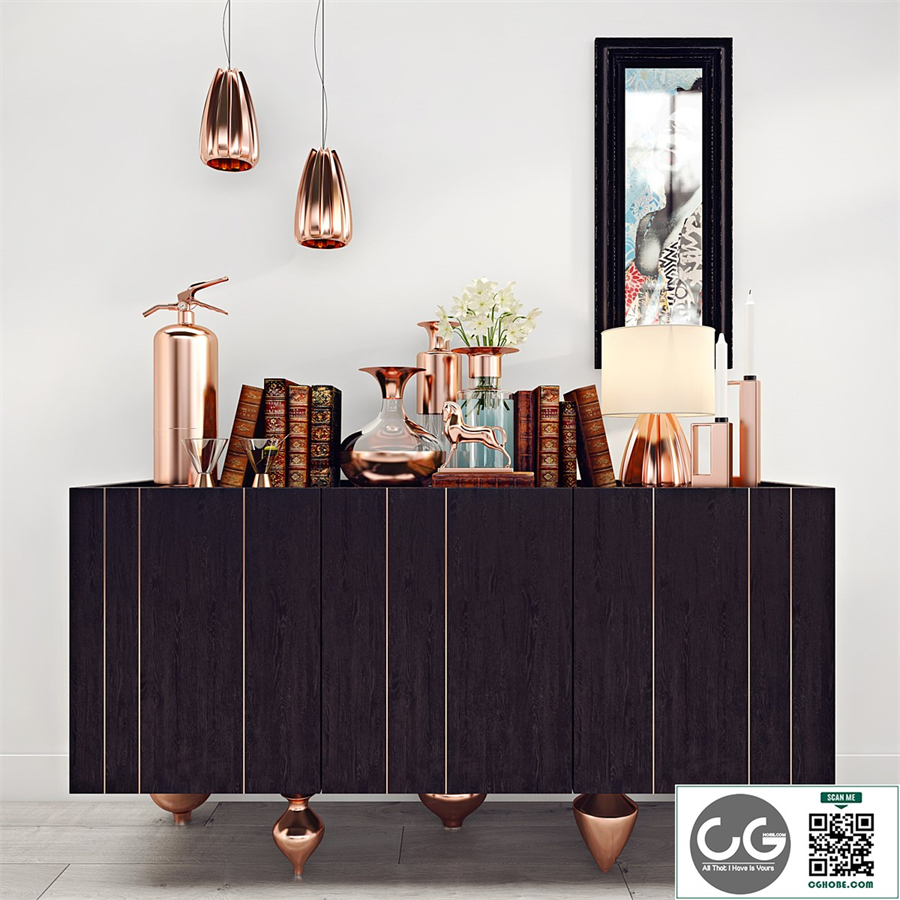
* Color and Texture: The *color* of the credenza plays a vital role in setting the mood. A *dark-colored credenza* can add drama and sophistication, while a *light-colored credenza* can create a brighter, airier feel. The *texture* of the material—smooth, rough, or patterned—adds another layer of visual interest.
* Statement Pieces: A large, eye-catching *decorative object* can be placed centrally on the credenza as a focal point. This could be a *sculpture*, a *vase*, a *collection of art books*, or any item that reflects personal style and adds visual weight.
* Balanced Arrangement: Avoid overcrowding the credenza. Arrange *decorative objects* in a balanced and harmonious manner, considering *size*, *shape*, *color*, and *texture*. Use *grouping techniques* to create visual interest and cohesion. Aim for a balance between *empty space* and filled areas, allowing the objects to breathe.
* Lighting: *Lighting* can dramatically enhance the visual appeal of the credenza and its décor. A *table lamp* placed on the credenza can provide ambient lighting, highlighting the decorative objects and creating a warm and inviting atmosphere. Consider *directional lighting* to emphasize specific items.
* Personal Touches: Incorporate *personal items* that reflect your personality and interests. These could be *family photos*, *travel souvenirs*, *mementos*, or other items that evoke cherished memories and add a personal touch.
* Gallery Wall Effect: Use the *credenza's* surface to create a mini *gallery wall* by showcasing smaller *framed artwork* or *photographs*. Experiment with different *frame styles* and *colors* to create a cohesive and stylish display.
### Part 4: Credenza Decor by Room – Tailoring the Look
The *credenza's* versatility extends to its placement and decorative style within different rooms.
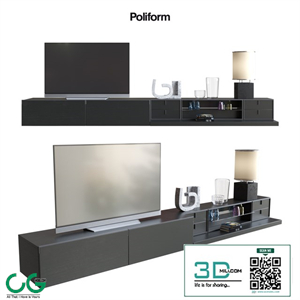
* Living Room Credenza: In the living room, the *credenza* can serve as a media center, housing a *television*, *sound system*, and other electronics. Decorate it with *stylish remote controls*, *books*, *plants*, and *decorative bowls*.
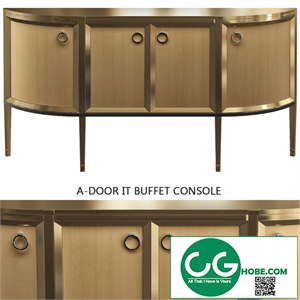
* Dining Room Credenza: In the dining room, the *credenza* acts as a *buffet* or sideboard. Display *decorative tableware*, *serving dishes*, *wine glasses*, and other dining accessories.
* Home Office Credenza: In the home office, the *credenza* provides ample *storage* for *office supplies*, *documents*, and *electronics*. Decorate with *organized files*, *pens*, *desk accessories*, and *plants* to create a functional and visually appealing workspace.
* Entryway Credenza: An entryway credenza offers a convenient spot to store *keys*, *mail*, and other everyday items. Decorate it with a *stylish mirror*, *a small plant*, and *a decorative tray* for keys and other small objects.
### Part 5: Conclusion - The Enduring Appeal of the Credenza
The *credenza*, far from being a relic of the past, remains a timeless and versatile piece of furniture. Its capacity for both functionality and aesthetic appeal makes it a valuable addition to any home. By understanding its design elements, choosing the *right credenza*, and thoughtfully curating its décor, you can transform this humble storage piece into a *statement of personal style* and a significant contributor to the overall ambience of your space. The combination of a well-chosen credenza and carefully selected décor results in a harmonious and visually engaging space that reflects your unique taste and personality. The possibilities are endless, allowing you to create a truly unique and personalized space with this adaptable and stylish piece of furniture.