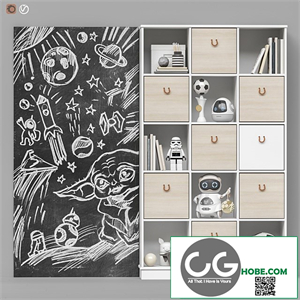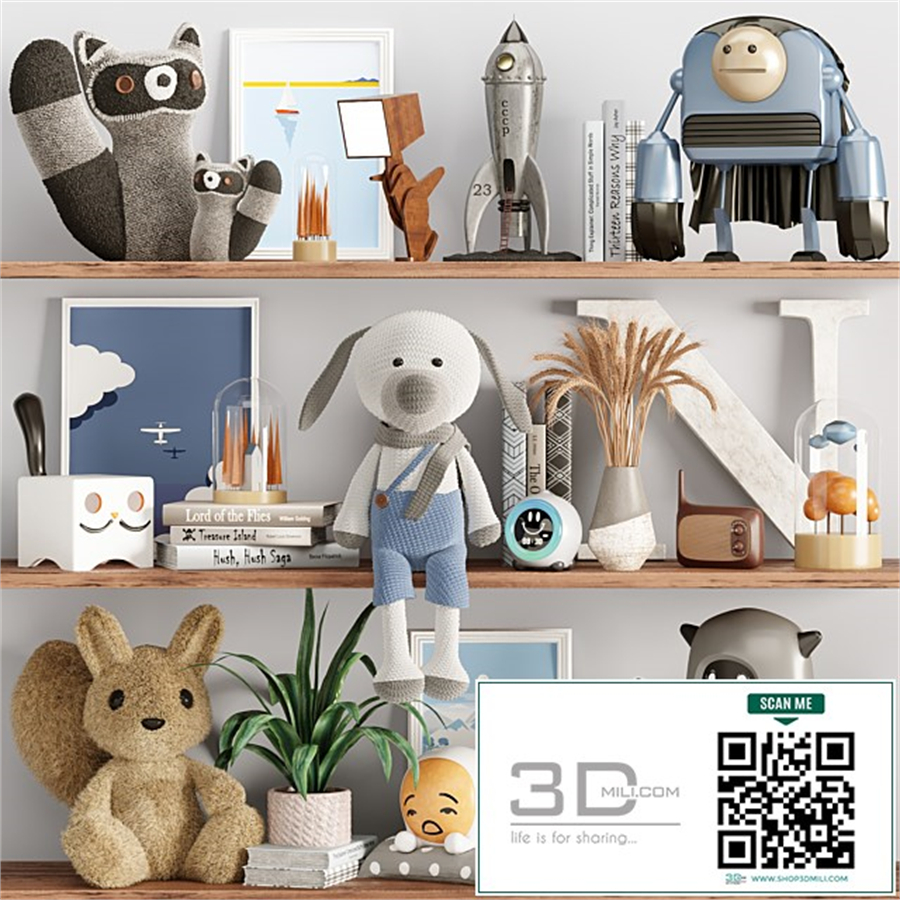
## A Decor Set for Boys: Crafting a Space of Imagination and Growth
This design concept explores the creation of a comprehensive *decor set* specifically tailored for boys, moving beyond simple thematic choices to create a truly enriching and stimulating environment. We aim to design spaces that nurture *imagination*, encourage *creativity*, and support the developmental needs of young boys at various age groups. This is not merely about aesthetics; it's about crafting a space that fosters a sense of *belonging*, *self-expression*, and *personal growth*.
Part 1: Understanding the Boy's World: Age and Interest-Based Design
Designing a room for a boy isn't a one-size-fits-all proposition. The *decor set* must be adaptable and responsive to the evolving needs and interests of the child. A design catering to a five-year-old will drastically differ from one designed for a teenager.
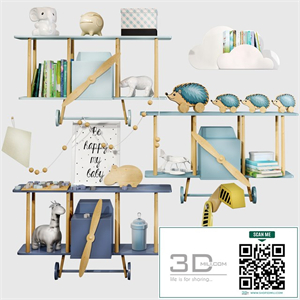
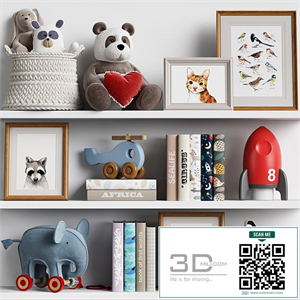
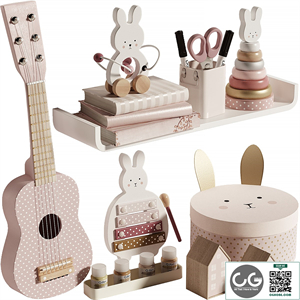
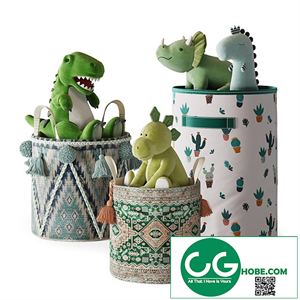
* Early Childhood (0-5 years): This stage focuses on creating a *safe*, *stimulating*, and *sensory-rich* environment. The *decor set* here emphasizes soft textures, muted colors, and age-appropriate toys. Think *mobile*, *soft play mats*, and *wall decals* featuring friendly animals or simple shapes. Emphasis should be placed on *functional furniture*, designed for easy access and storage. The overall aesthetic should be calming and inviting, promoting a sense of *security* and *comfort*.
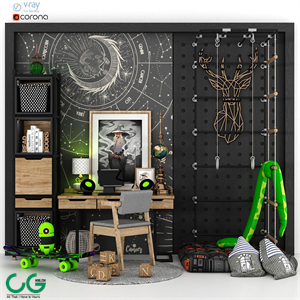
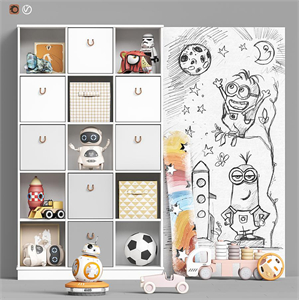
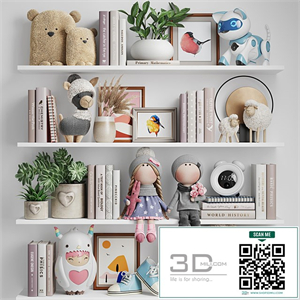
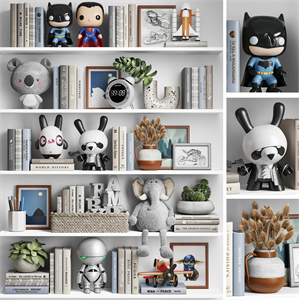
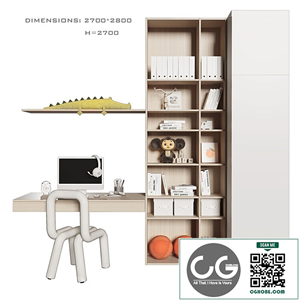
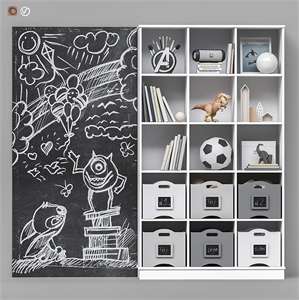
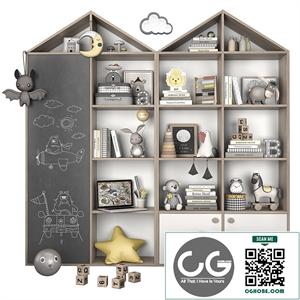
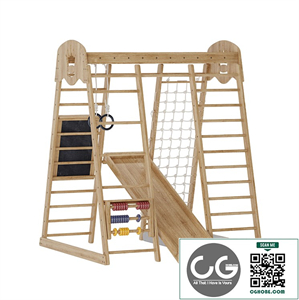
* Middle Childhood (6-12 years): As boys grow, their interests broaden. The *decor set* in this stage should reflect this evolution. We can incorporate elements of their favorite *hobbies*, like *sports*, *science*, or *adventure*. This might involve themed *wall art*, *shelving* to display collections, and *desks* designed for creative projects. The color palette can become more *vibrant* and *dynamic*, reflecting the increased energy and enthusiasm of this age group. *Storage solutions* become increasingly important to organize growing collections and school supplies.
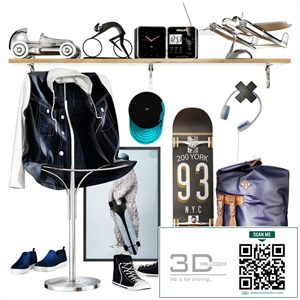
* Adolescence (13-18 years): Teenagers crave *independence* and *personalization*. The *decor set* here needs to reflect this shift towards individuality. Involving the teen in the design process is crucial. The *aesthetic* should be more mature, possibly incorporating elements of *modern design*, *minimalist aesthetics*, or *industrial chic*. Consider integrating *technology-friendly furniture*, ample *workspace*, and opportunities for *personal expression* through artwork, posters, or collections. Privacy is key; the design should incorporate elements that allow for both social interaction and solitary time.
Part 2: Key Elements of a Boy's Decor Set: Beyond the Theme
Moving beyond simple thematic choices like spaceships or dinosaurs, we focus on designing a cohesive and versatile *decor set* that adapts to changing interests. This includes carefully selected:
* Color Palette: Avoid overly stereotypical “boyish” colors. Instead, create a balanced palette incorporating *neutral tones* as a base (grays, beige, navy) and accentuating with bolder hues that reflect the child’s personality and interests. This ensures longevity and adaptability. *Earthy tones* can create a calm and grounding space, while pops of *bright colors* can add energy and vibrancy.
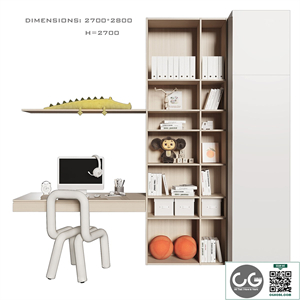
* Furniture: Choose *durable* and *functional* furniture. Consider *multi-functional pieces*, such as beds with built-in storage or desks with integrated shelving. Avoid overly bulky or ornate furniture, opting for clean lines and a modern aesthetic that can transition through different age phases.
* Lighting: *Layered lighting* is essential. A combination of *ambient lighting*, *task lighting* (for reading or studying), and *accent lighting* (to highlight artwork or collections) creates a versatile and adaptable lighting scheme that caters to different moods and activities. Incorporate *natural light* whenever possible.
* Textiles: Incorporate *comfortable* and *durable* textiles, such as rugs, curtains, and bedding. Choose materials that are easy to clean and maintain. Consider the texture and feel of the fabrics, selecting options that are both appealing to the eye and comfortable to the touch.
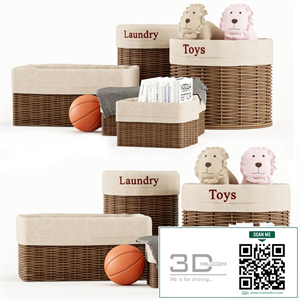
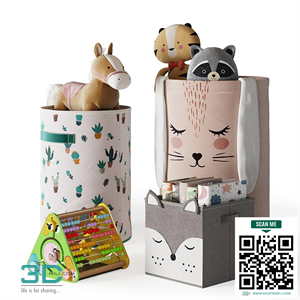
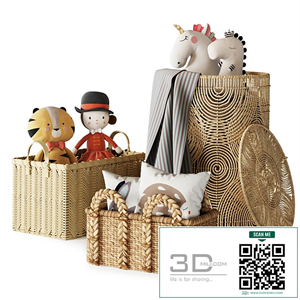
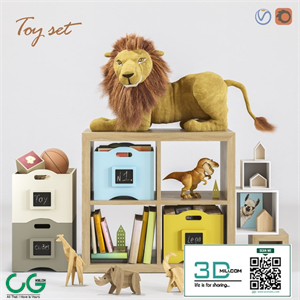
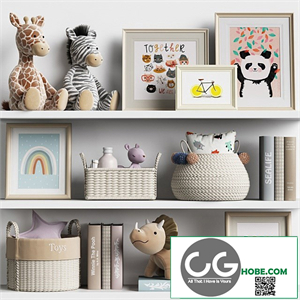
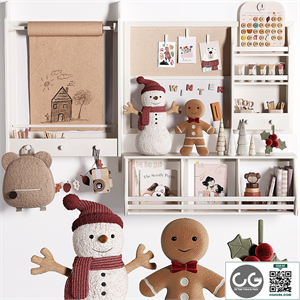
* Storage Solutions: Ample *storage* is crucial. Utilize *shelving*, *drawers*, *baskets*, and other storage solutions to keep the space organized and clutter-free. Invest in *labeled containers* to encourage tidiness and make it easier for the child to find things.
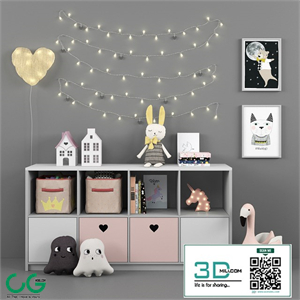
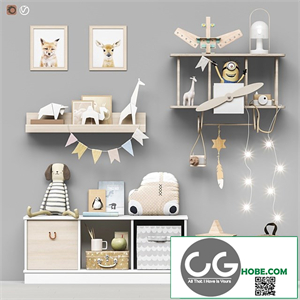
* Artwork and Decor: Avoid generic and cliché themes. Instead, integrate *personalized artwork*, *family photos*, and items that reflect the child's interests and accomplishments. This fosters a sense of pride and belonging. Consider using *wall decals* or *paint effects* to create unique focal points.
Part 3: Creating Zones for Play, Learning, and Rest: Functional Design
A well-designed *decor set* considers the different activities that occur within the space. Creating distinct *zones* within the room promotes organization and encourages different types of play and learning.
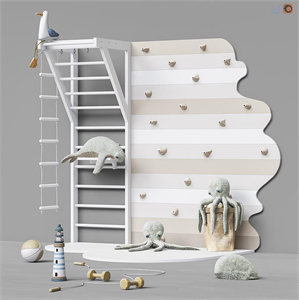
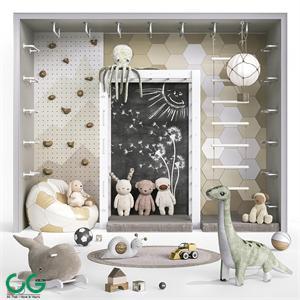
* Play Zone: This area should be dedicated to imaginative play and creative activities. It might include a *play mat*, *toy storage*, and a dedicated space for building blocks or other creative projects. Consider incorporating elements of nature, like a small plant or a natural fiber rug, to enhance the play experience.
* Learning Zone: This area focuses on schoolwork and educational activities. It requires a *comfortable desk*, adequate *lighting*, and *organized storage* for books and school supplies. Consider using a *whiteboard* or *corkboard* for note-taking and displaying artwork.
* Rest Zone: This area should prioritize comfort and relaxation. The bed should be comfortable and inviting, and the surrounding space should be peaceful and calming. Consider incorporating soft lighting, comfortable textiles, and calming colors.
Part 4: Sustainability and Inclusivity in Boy's Room Design
Creating a responsible and inclusive *decor set* is paramount.
* Sustainability: Prioritize *eco-friendly materials* and *sustainable practices*. Opt for furniture made from recycled or sustainably sourced wood. Choose non-toxic paints and finishes. Consider using recycled or upcycled materials in the decor.
* Inclusivity: The design should be inclusive and reflect the diversity of boys and their interests. Avoid gender stereotypes and instead create a space that is open and welcoming to all. The design should consider the accessibility needs of the child, ensuring ease of movement and access to all areas of the room.
Part 5: The Evolving Decor Set: Adaptability and Longevity
The key to a successful *decor set* lies in its adaptability. The design should be flexible enough to evolve with the child’s changing needs and interests over time. Instead of complete overhauls, consider incorporating *modular furniture*, *interchangeable decor*, and a flexible color scheme that allows for easy updates and modifications. This ensures that the space remains stimulating and engaging throughout the child's development, maximizing the value of your initial investment. Through careful planning and design, we can craft a *decor set* that not only looks good but also actively supports the holistic development and growth of a boy.