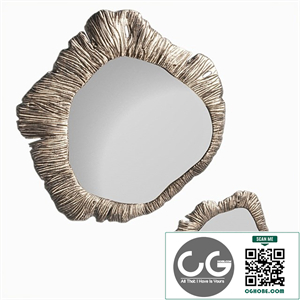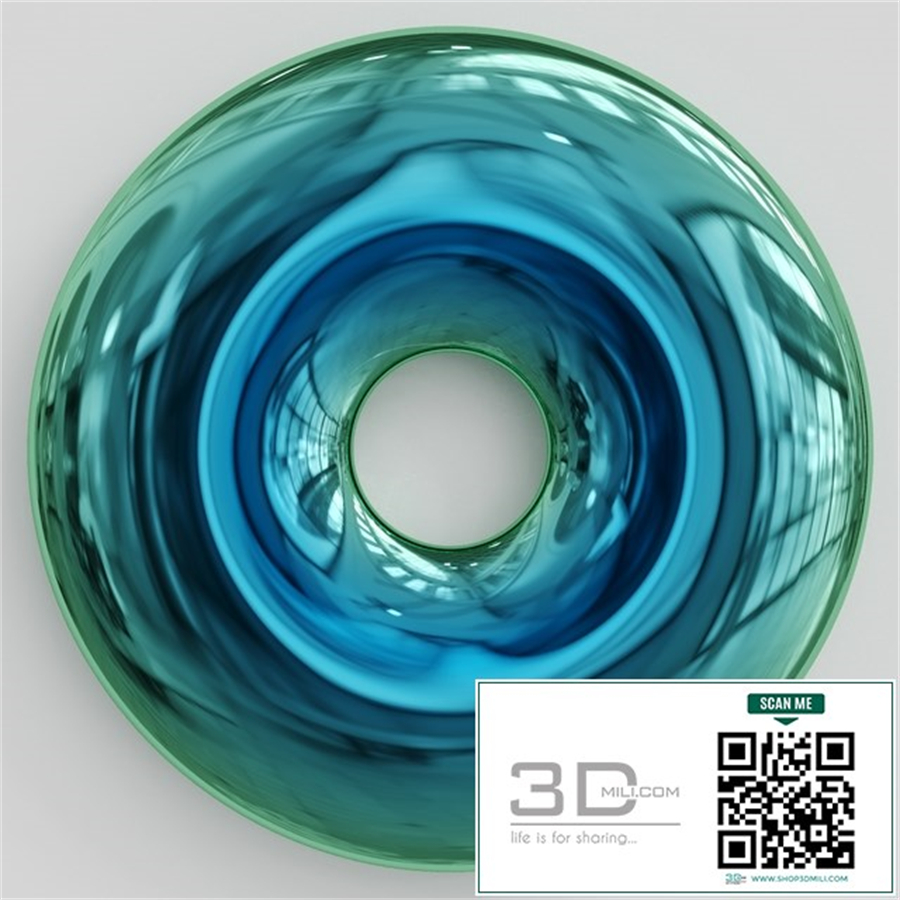
## Decorative Mirror 3: A Deep Dive into Design and Functionality
This document explores the design and functionality of "Decorative Mirror 3," a project focusing on creating a visually striking and practically useful mirror. We will dissect the design process, highlighting key decisions and rationale behind specific choices. The goal is to provide a comprehensive understanding of the design philosophy and its implementation.
Part 1: Conceptualization and Initial Sketches – Defining the *Aesthetic*
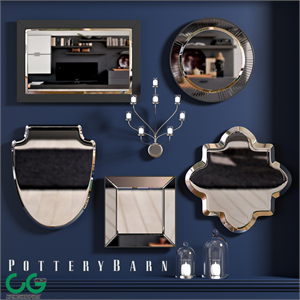
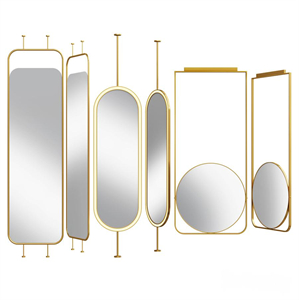
The initial phase of "Decorative Mirror 3" focused heavily on defining the *aesthetic*. We wanted to move beyond the purely functional and create a piece that acts as both a practical element and an *artistic statement*. Early sketches explored various *shapes*, from classic *rectangular* and *oval* designs to more *modern*, *geometric* forms like *hexagons* and *octagons*. The *material palette* was also a key consideration. We investigated the use of *traditional materials* like *wood* and *metal* alongside *contemporary options* such as *acrylic* and *recycled glass*. The interplay of these materials would be crucial in establishing the overall *mood and feel* of the mirror.
Several *mood boards* were created to collate inspirational imagery. These boards included examples of *art deco* designs, *minimalist* interiors, and *maximalist* expressions of colour and texture. These diverse influences helped guide the development of several distinct design concepts, each with its own unique personality and intended application. Ultimately, we gravitated towards a design that blended elements of *modern minimalism* with subtle *art deco* influences, focusing on creating a sense of *elegant simplicity*. This direction was informed by the need to ensure the mirror could easily integrate into a range of interior styles, from *contemporary apartments* to more *traditional homes*. The intention was to create a *versatile* piece that would appeal to a broad audience.
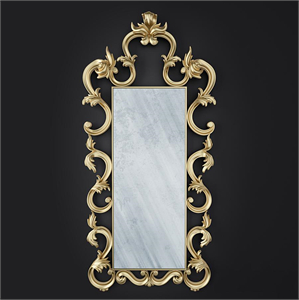
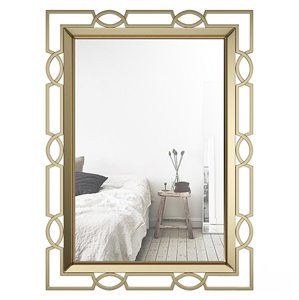
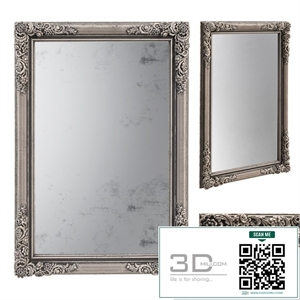
One crucial aspect of the initial concept was the *frame*. Early sketches explored various *frame thicknesses*, *materials*, and *decorative elements*. We explored the use of *thin, understated frames* to emphasize the reflection, and also considered bolder, more *statement-making frames* that would dominate the overall design. The final selection prioritized creating a frame that would complement the mirror's reflection without overpowering it, a delicate balance that required careful consideration. We felt that *clean lines* and a *subtle texture* would best serve this purpose.
Part 2: Material Selection and Manufacturing – Balancing *Aesthetics* and *Functionality*
With the overall design concept established, the next stage involved selecting the appropriate *materials*. The choice of materials was guided by several factors including *cost-effectiveness*, *durability*, *aesthetic appeal*, and *environmental impact*. We explored several options for the *mirror itself*, ultimately opting for a high-quality *silver-backed glass* renowned for its clarity and reflectivity. This choice ensured the mirror would provide a superior reflection quality, which is paramount for a decorative piece intended for everyday use.
The *frame material* was chosen after extensive evaluation. Initially, *solid wood* was considered for its *natural beauty* and *durability*. However, after careful consideration of *manufacturing processes*, *cost*, and the need for *precise shaping*, we opted for a high-density *engineered wood* finished with a *durable, environmentally friendly* paint. This offered the required structural stability and the ability to achieve a *smooth, flawless finish* without sacrificing sustainability. The choice of paint color was pivotal; a *neutral tone* was selected to maximize the mirror's versatility and prevent it from clashing with existing interior decor. The final choice reflected our commitment to creating a *timeless and enduring design*.
The *manufacturing process* was designed with precision and efficiency in mind. We utilized *computer-aided design (CAD)* and *computer-aided manufacturing (CAM)* techniques to ensure accuracy and repeatability in production. The *assembly process* was carefully streamlined to minimize production time while maintaining the highest standards of *quality control*. This attention to detail is crucial for ensuring the consistent production of high-quality mirrors that meet our design specifications. Rigorous testing was also conducted to ensure the durability and stability of the finished product, including drop tests and stress tests on the frame to ensure long-lasting performance.
Part 3: Design Refinements and Prototyping – Iterative *Improvement*
Following the material selection, a series of *prototypes* were developed to refine the design and address any potential issues. The initial prototypes highlighted the need for minor adjustments to the *frame dimensions* and the *attachment mechanism* that secures the mirror to the frame. This iterative process is essential in design to ensure a final product that is both aesthetically pleasing and functionally sound. We experimented with different *joining techniques* to find the most secure and aesthetically pleasing method. Our aim was to create an *invisible join*, one that would maintain the clean lines of the design. This iterative refinement process addressed several minor issues identified during the construction of the initial prototypes.
The feedback obtained during the prototyping phase proved invaluable. It allowed us to identify and correct subtle issues with the overall balance and proportionality of the design, as well as optimize the manufacturing process for greater efficiency. The refinements made at this stage ensured the final product would meet the highest standards of quality and aesthetics. We were also able to assess the effectiveness of different *finishes* and select the most appropriate one based on durability and visual appeal.
Part 4: Final Design and Market Positioning – Targeting the *Customer*
The final design of "Decorative Mirror 3" represents a successful synthesis of *aesthetics* and *functionality*. Its *minimalist design* and *versatile material palette* make it suitable for a wide range of interior styles and preferences. The *clean lines* of the frame, coupled with the high-quality *reflection* provided by the mirror itself, creates a product that is both visually appealing and practical.
The *market positioning* of "Decorative Mirror 3" is centered on its versatility and appeal to a discerning customer seeking a high-quality, *stylish* addition to their home. We target homeowners and interior designers looking for a *decorative piece* that transcends mere functionality. The marketing strategy emphasizes the mirror's *timeless design*, its *superior quality*, and its ability to elevate any space. The emphasis is on a *premium product* that offers both value and aesthetic appeal.
The pricing strategy considers the quality of *materials*, the precision of the *manufacturing process*, and the overall *design excellence*. The final price point is intended to reflect the premium quality and timeless design of "Decorative Mirror 3," positioning it as a worthwhile investment for discerning customers.
Part 5: Sustainability and Future Considerations – *Responsible Design*
A key consideration throughout the design process was the *environmental impact* of "Decorative Mirror 3". We carefully selected *sustainable materials* wherever possible, prioritizing recycled and responsibly sourced options. The *packaging* for the mirror was also designed with sustainability in mind, using recyclable materials and minimizing waste. We aim for a product lifecycle that minimizes its footprint on the planet.
Looking to the future, we intend to explore further *design iterations* of "Decorative Mirror 3," potentially incorporating new *materials* and *technologies*. We will also consider offering different *sizes* and *finishes* to cater to a broader range of customer preferences. This commitment to *continuous improvement* and responsiveness to market trends ensures the ongoing relevance and appeal of the "Decorative Mirror 3" line. We hope to explore incorporating more *sustainable manufacturing processes*, further reducing the environmental impact of production. This will be an integral aspect of future iterations of the mirror.