## A Deep Dive into Decorative Sets: Design, History, and Application
This exploration delves into the multifaceted world of _decorative sets_, examining their historical context, design principles, diverse applications, and the crucial role they play in enhancing aesthetic appeal and functional utility across various settings. We'll unpack the elements that contribute to a successful decorative set, from material selection and craftsmanship to the interplay of form and function.
Part 1: Defining the Decorative Set and its Historical Context
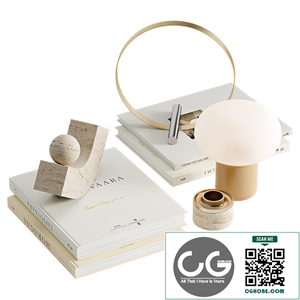
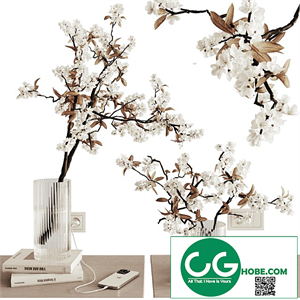
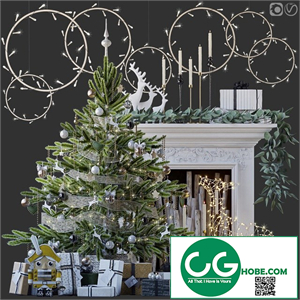
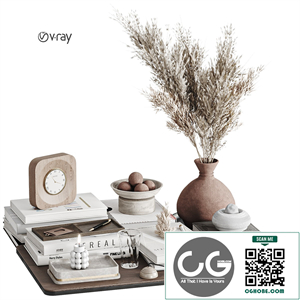
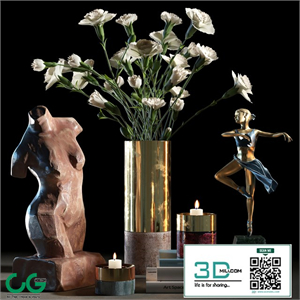
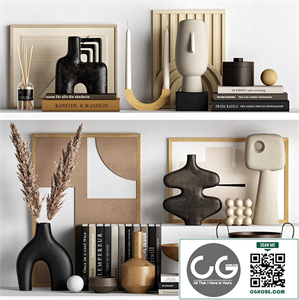
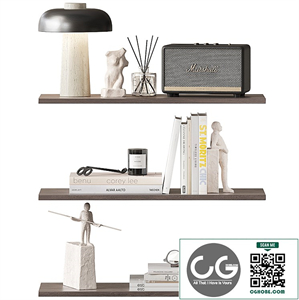
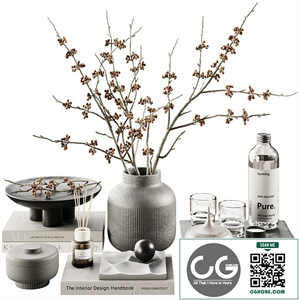
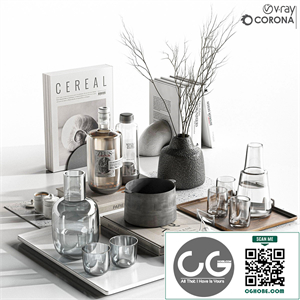
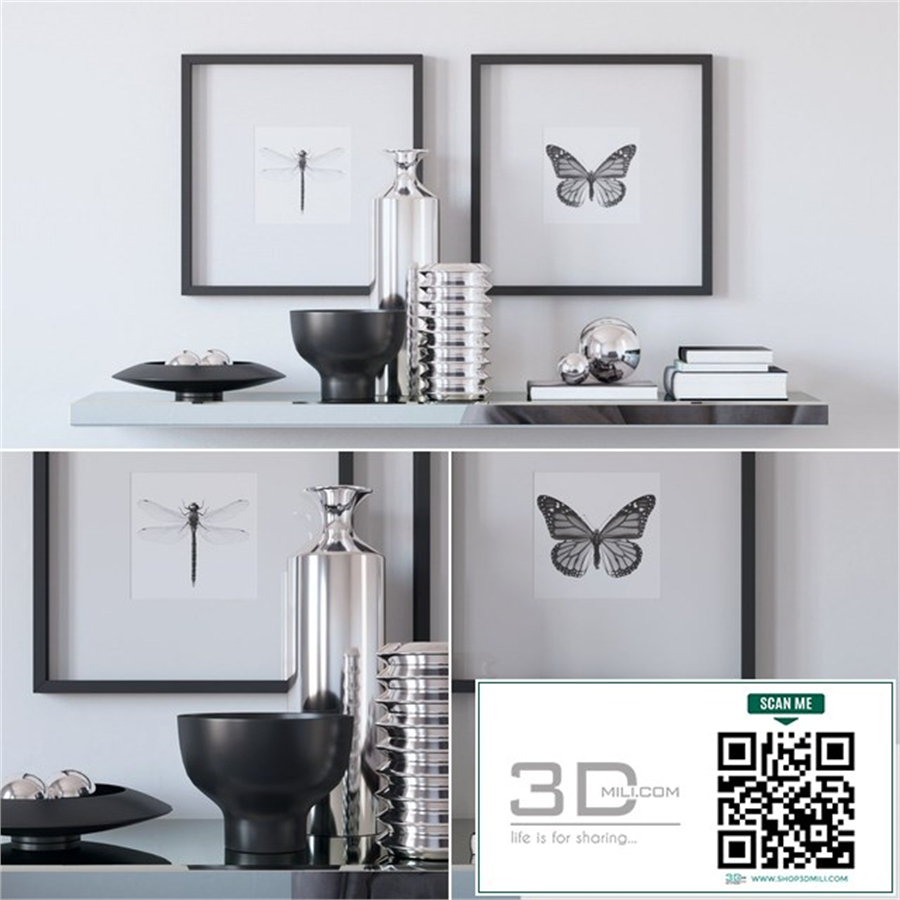
The term "_decorative set_" encompasses a broad range of coordinated items designed to enhance a specific space or serve a particular purpose while simultaneously adding aesthetic value. It's not simply a collection of unrelated objects; rather, it's a carefully curated arrangement reflecting a unified design language. This could be a set of *ceramic dinnerware*, a collection of *hand-blown glassware*, a series of *ornate picture frames*, or even a more complex arrangement such as a *vintage tea set* complete with its accompanying teapot, cups, saucers, and sugar bowl.
The concept of decorative sets has deep historical roots, traceable back to ancient civilizations. Early examples include the elegantly crafted *Egyptian funerary sets*, meticulously detailed *Greek pottery sets*, and the intricately decorated *Roman tableware*. These sets served not only practical purposes but also symbolized status, wealth, and cultural identity. The *Medieval period* witnessed the rise of elaborate *religious altar sets*, showcasing intricate metalwork and rich embellishments. The *Renaissance* saw a blossoming of decorative arts, with opulent *gold-plated tableware sets* and ornate *furniture sets* becoming increasingly prevalent among the aristocracy.
The *18th and 19th centuries* brought forth the rise of mass production, making decorative sets more accessible to a wider population. This era saw the emergence of distinct styles like *Rococo*, *Neoclassical*, and *Victorian*, each characterized by its own unique aesthetic principles and decorative motifs. The *Art Nouveau* and *Art Deco* movements of the early 20th century further enriched the landscape of decorative set design, introducing innovative forms, materials, and manufacturing techniques.
Part 2: Key Design Principles and Elements
Creating a compelling _decorative set_ involves careful consideration of several key design principles. *Harmony* and *unity* are paramount: the individual pieces should complement each other, creating a cohesive visual narrative. This is achieved through consistency in *color palettes*, *materials*, *texture*, and *style*. A *set of porcelain vases*, for instance, might share a similar shape, but vary in size and subtle decorative details to maintain visual interest without disrupting the overall harmony.
*Proportion* and *scale* are equally important. The individual pieces within the set should be appropriately sized relative to each other and to their intended environment. A *mismatched set of serving dishes*, with wildly varying sizes and shapes, will look disjointed and aesthetically unpleasing. Conversely, a well-proportioned set will enhance the overall visual impact.
The choice of *materials* significantly influences the character and aesthetic appeal of a decorative set. The *sheen of polished silver*, the *rustic charm of hand-thrown pottery*, or the *sleek elegance of glass* each contribute distinct qualities. The *texture* of the materials also plays a vital role, adding depth and visual interest. The *smooth surface of glazed ceramics* contrasts beautifully with the *rough texture of a hand-woven basket*.
_Craftsmanship_ is a crucial factor, particularly for high-end decorative sets. Intricate *hand-painted details*, *meticulously carved wood*, or *precisely cut glass* can elevate a set from mere functional objects to works of art. The level of craftsmanship often reflects the value and prestige associated with the set.
Part 3: Diverse Applications of Decorative Sets
The applications of _decorative sets_ are incredibly diverse, spanning various aspects of our lives. In the *domestic sphere*, decorative sets enhance the aesthetics of our homes. A *well-chosen set of dinnerware*, for instance, can transform a simple meal into a more elegant affair. *Ornate picture frames* can showcase cherished memories, while a *stylish set of vases* can add a touch of sophistication to a living room.
Beyond the home, decorative sets play a significant role in *commercial settings*. *High-end restaurants* often utilize bespoke tableware sets to enhance the dining experience. *Hotels* may employ coordinated sets of linens and bathroom accessories to create a consistent brand identity and elevate the guest experience. *Retail stores* use displays featuring coordinated decorative sets to attract customers and showcase products effectively.
*Special events* also benefit from the use of decorative sets. *Wedding ceremonies* often feature carefully chosen sets of china, glassware, and silverware. *Corporate events* might use coordinated sets of stationery and promotional items to reinforce branding and create a cohesive visual identity.
Part 4: Contemporary Trends and Future Directions
Contemporary trends in _decorative set_ design are characterized by a diverse range of styles and influences. *Minimalist designs*, emphasizing simplicity and functionality, are gaining popularity, alongside a resurgence of *mid-century modern aesthetics*. *Sustainable and eco-friendly materials*, such as recycled glass and reclaimed wood, are becoming increasingly sought after, reflecting a growing awareness of environmental concerns.
The rise of *digital fabrication* is also transforming the landscape of decorative set design. 3D printing and other advanced technologies are enabling the creation of highly customized and complex designs, previously impossible to produce using traditional methods. This opens up new possibilities for personalization and creative expression, allowing for the creation of truly unique and bespoke decorative sets.
The future of _decorative set_ design will likely involve a continued fusion of traditional craftsmanship and cutting-edge technology. We can expect to see more innovative materials, sustainable manufacturing processes, and personalized design options. The focus will likely remain on creating decorative sets that seamlessly integrate form and function, enhancing our lives both aesthetically and practically. The enduring appeal of coordinated design, whether in the form of a simple *tea cup set* or a complex *dining room ensemble*, will continue to drive innovation and creativity within this dynamic field.