## A Deep Dive into Decorative Sets: Design, Function, and the Art of Curated Aesthetics
Decorative sets, seemingly simple arrangements of objects, represent a powerful tool in interior design and personal expression. They are more than just collections; they are *narrative devices*, carefully constructed to tell a story, evoke a mood, and enhance a space. This exploration delves into the multifaceted world of decorative sets, examining their design principles, their functional roles, and the artistry behind creating truly captivating arrangements.
Part 1: Understanding the Essence of a Decorative Set
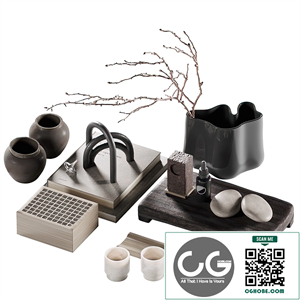
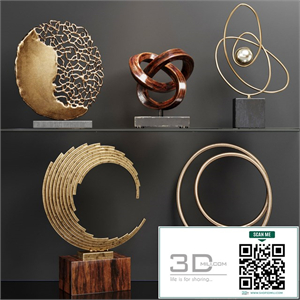
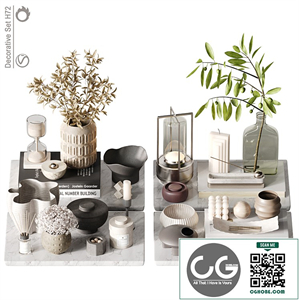
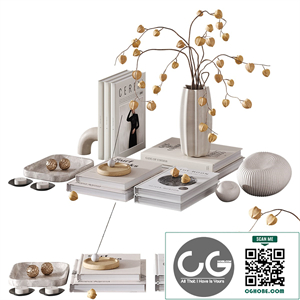
A decorative set, at its core, is a *curated grouping* of items designed to work harmoniously together. This harmony isn't merely about aesthetic similarity; it's a sophisticated interplay of *form, color, texture, and scale*. Individual elements, while possessing unique qualities, contribute to a unified whole, creating a visual focal point or enriching a larger design scheme. Consider, for instance, a set of vintage *ceramic vases*, each distinct in its shape and pattern, yet unified by a shared color palette or stylistic period. This unity, achieved through careful selection and arrangement, is the hallmark of a successful decorative set.
The *function* of a decorative set transcends mere ornamentation. While undoubtedly enhancing the visual appeal of a space, they also serve practical roles. They can:
* Define a space: A thoughtfully arranged set on a mantelpiece can anchor a living room, creating a clear focal point and defining the area's character.
* Tell a story: A collection of vintage travel posters, antique maps, or family photographs can narrate personal experiences and create a sense of history and identity within a home.
* Enhance mood: The carefully chosen colors, textures, and forms of a decorative set can subtly influence the atmosphere of a room, creating a feeling of calm, excitement, or sophistication.
* Complete a design theme: A decorative set can act as the final touch, bringing together disparate design elements and solidifying a particular style or aesthetic.
Part 2: Key Design Principles for Effective Decorative Sets
Creating a compelling decorative set requires a thoughtful approach, guided by several key principles:
* *Unity & Harmony:* This is paramount. While diversity is encouraged, a common thread must unite the elements. This could be a shared color palette, a consistent material, a recurring shape, or a cohesive stylistic period (e.g., *mid-century modern*, *rustic*, *Bohemian*). The goal is a *visual coherence* that prevents the set from appearing cluttered or disjointed.
* *Balance & Proportion:* The elements within the set should be balanced, both visually and in terms of scale. A large, dominant piece might be balanced by several smaller items, creating a sense of equilibrium. Consider the *visual weight* of each object – a dark, heavy item will have a stronger visual presence than a light, airy one. Understanding *proportion* ensures that no single element overwhelms the others.
* *Emphasis & Focal Point:* One or two items within the set should serve as a clear focal point, drawing the eye and anchoring the arrangement. This could be a larger, more striking object, an item with a unique color or texture, or an element positioned strategically within the set. This *emphasis* creates a sense of dynamism and prevents visual monotony.
* *Rhythm & Repetition:* The repetition of certain elements – a particular shape, color, or texture – can create a sense of rhythm and visual interest. This repetition doesn't have to be exact; subtle variations can add depth and complexity. Think of a set of differently sized *candles* of the same color, arranged in a pleasing rhythm along a mantelpiece.
Part 3: Exploring Different Types of Decorative Sets
The possibilities for decorative sets are virtually endless. They can encompass a wide range of styles and objects, catering to diverse tastes and design preferences. Some common types include:
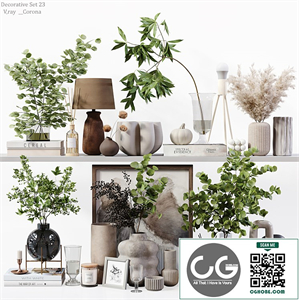
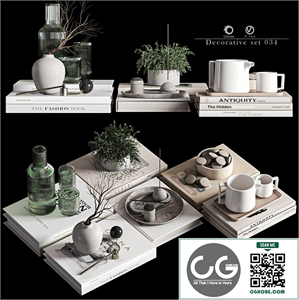
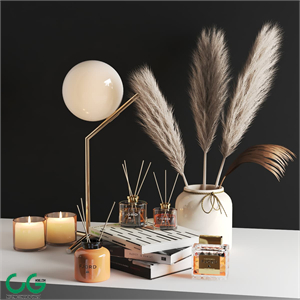
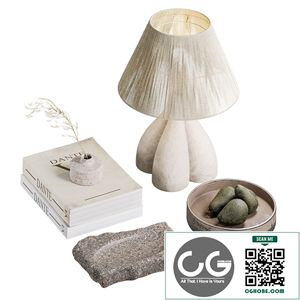
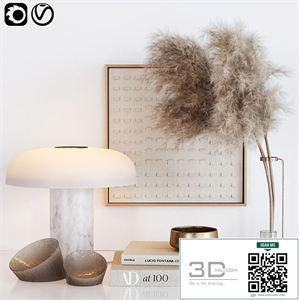
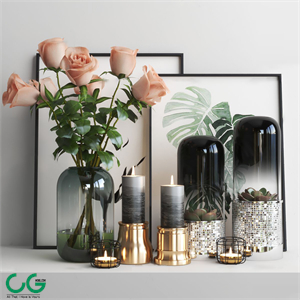
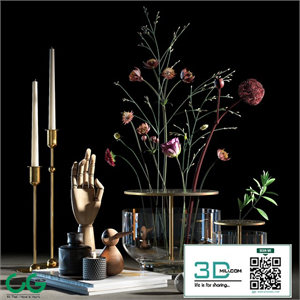
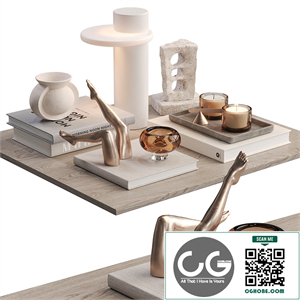
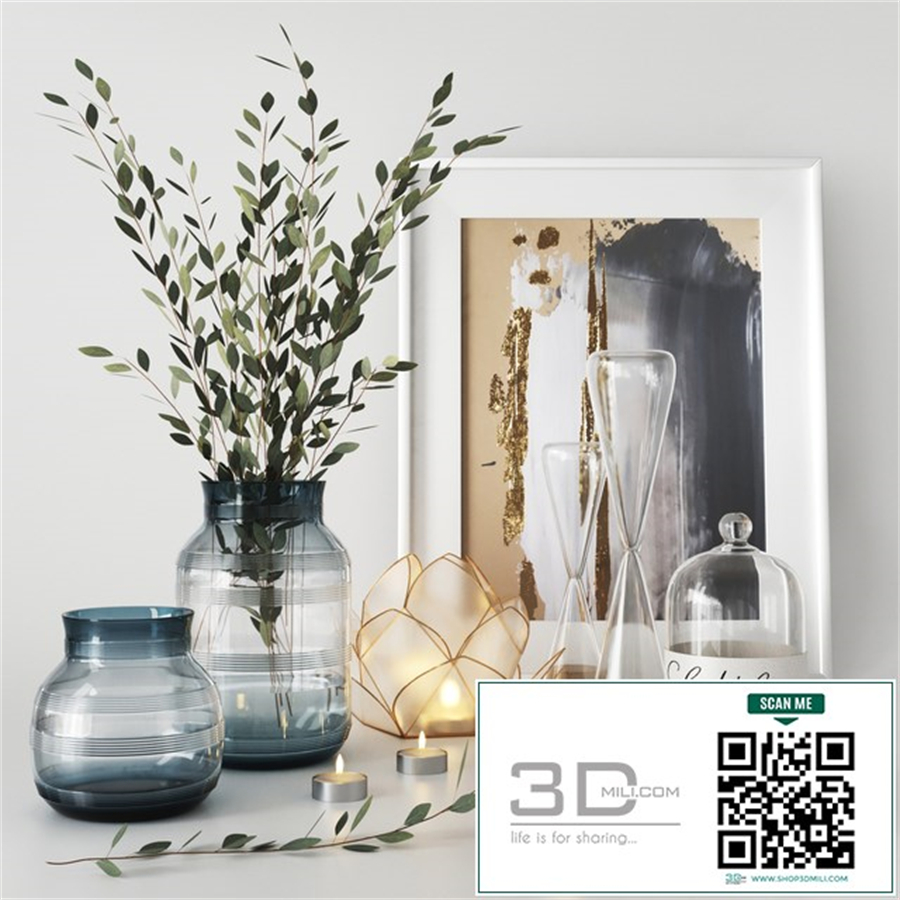
* *Tabletop Sets:* These might include *centerpieces* for dining tables (e.g., a floral arrangement, candles, decorative bowls), arrangements on side tables (e.g., books, sculptures, a small plant), or decorative items on desks (e.g., stationery, a small lamp, a succulent).
* *Mantelpiece Sets:* The mantelpiece provides a prime location for showcasing a decorative set, often featuring *mirrors*, *candlesticks*, *vases*, and *artwork*. The verticality of the mantelpiece allows for a dynamic and visually engaging arrangement.
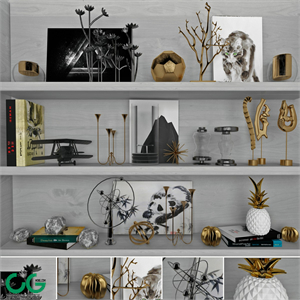
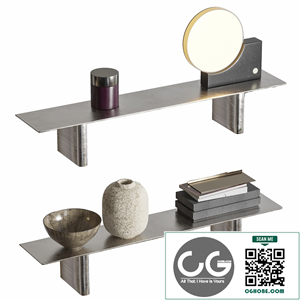
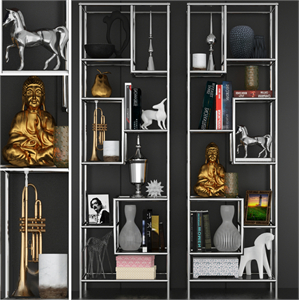
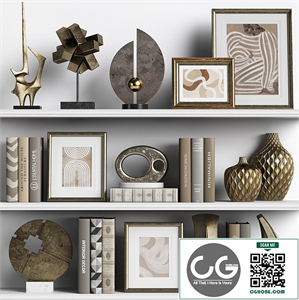
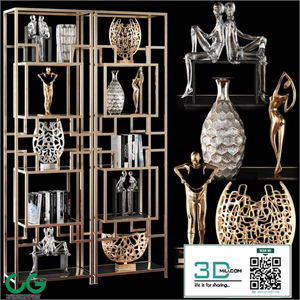
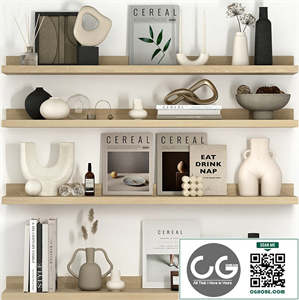
* *Shelving Sets:* Shelves offer a versatile space for creating decorative sets, allowing for a mix of objects of varying sizes and shapes. This can be a curated collection of *books*, *figurines*, *photographs*, or *plants*, creating a personal and expressive display.
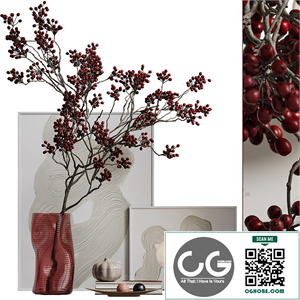
* *Wall Sets:* These often involve *framed artwork*, *mirrors*, *wall hangings*, and *decorative plates*, creating a unified visual impact on a wall surface. Careful consideration of spacing and arrangement is crucial for creating a cohesive and appealing wall set.
* *Thematic Sets:* These sets are unified by a specific theme, such as a travel theme (maps, globes, souvenirs), a nature theme (shells, stones, botanical prints), or a nautical theme (ship models, nautical charts, seashells).
Part 4: The Art of Curating: Sourcing and Arranging Elements
The process of creating a truly exceptional decorative set goes beyond simply gathering objects; it's a process of *curation*. This involves:
* *Sourcing Elements:* This might involve shopping at antique stores, flea markets, craft fairs, or online marketplaces. The key is to seek out objects that resonate personally and align with the desired aesthetic. Don't be afraid to mix and match different styles and eras, provided they share a common thread.
* *Arranging Elements:* The arrangement itself is a crucial element. Experiment with different layouts, considering the size, shape, and color of each object. Use varied heights and depths to create visual interest. Don't be afraid to rearrange until you achieve a satisfying composition. *Negative space* is just as important as filled space.
* *Considering Lighting:* The way light interacts with a decorative set can significantly impact its appearance. Natural light or strategically placed lamps can enhance the colors and textures of the objects, creating a more dramatic or subtle effect.
* *Adding Personal Touches:* Incorporating personal mementos and meaningful objects adds a layer of warmth and authenticity to a decorative set. This could be family photographs, travel souvenirs, or handcrafted items. These elements imbue the set with a unique character and tell a personal story.
Part 5: Beyond the Aesthetics: The Psychological Impact of Decorative Sets
Decorative sets are not merely visual enhancements; they contribute to the overall atmosphere and emotional experience of a space. A well-curated set can evoke a sense of calm, inspire creativity, or stimulate conversation. The psychological impact stems from the thoughtful selection and arrangement of elements, the narratives they convey, and the emotional resonance they hold for the individual. The process of creating and displaying a decorative set is an act of self-expression, allowing individuals to share their personalities and preferences with the world. By understanding the interplay of design principles and personal expression, one can craft decorative sets that are both visually appealing and profoundly meaningful. In conclusion, mastering the art of decorative sets is a journey of discovery, creativity, and personal expression, transforming a space into a reflection of the inhabitant's unique identity and aesthetic sensibilities.