## A Deep Dive into Decorative Sets: Design, Functionality, and Market Trends
Decorative sets, encompassing a wide range of items designed to enhance the aesthetic appeal of a space, are more than just collections of pretty objects. They represent a carefully curated expression of style, reflecting personal taste and contributing significantly to the overall atmosphere of a home or other environment. This exploration will delve into the intricacies of decorative sets, examining their design principles, functional aspects, market trends, and the ever-evolving role they play in interior design.
Part 1: Defining the Decorative Set and its Components
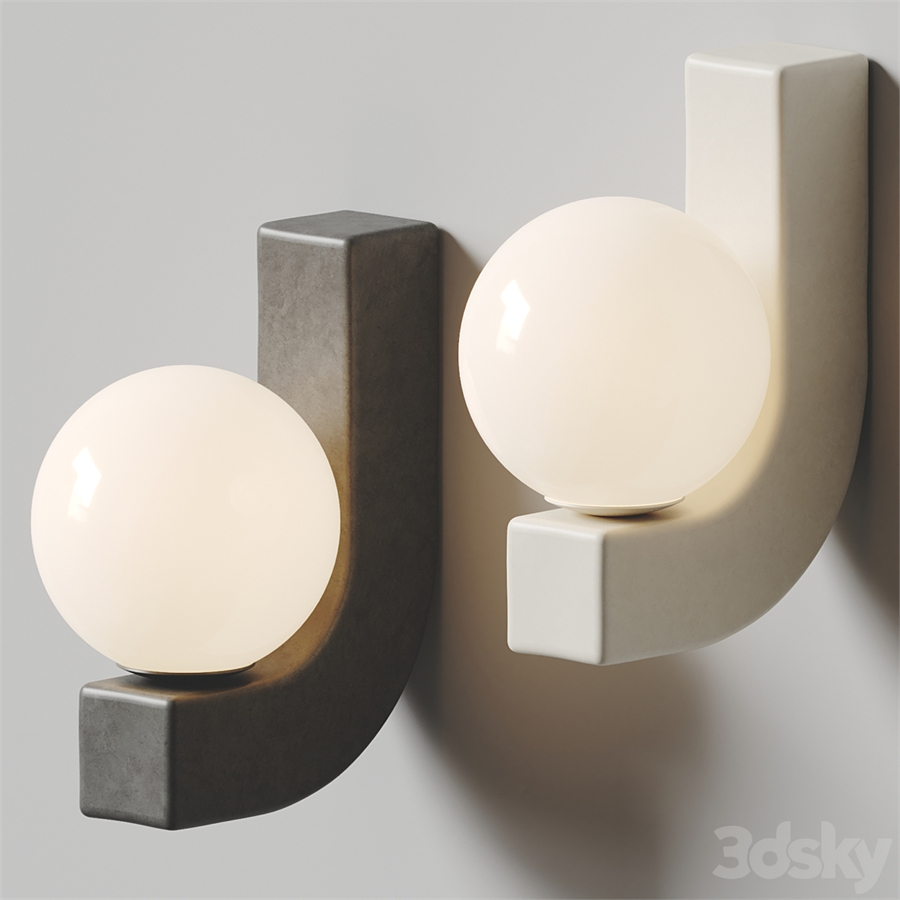
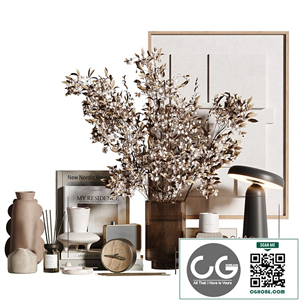
A *decorative set*, in its simplest form, is a group of two or more items designed to complement each other aesthetically and functionally. These items are often linked by a common theme, style, material, or color palette, creating a unified and cohesive visual impact. Unlike individual decorative pieces that stand alone, a set leverages the synergy of multiple elements to achieve a greater impact than the sum of its parts.
The *components* of a decorative set can vary immensely, depending on the intended purpose and style. Some common examples include:
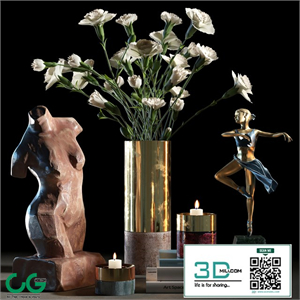
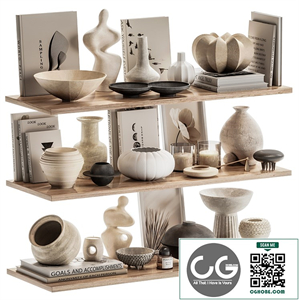
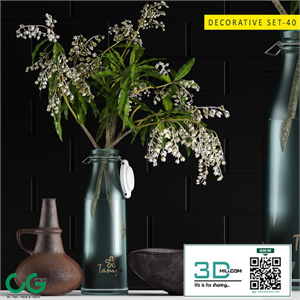
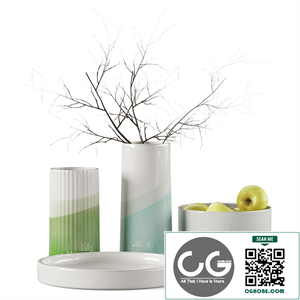
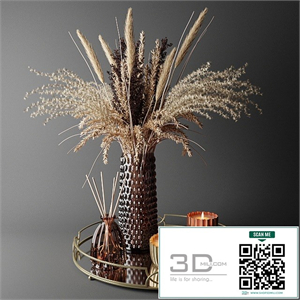
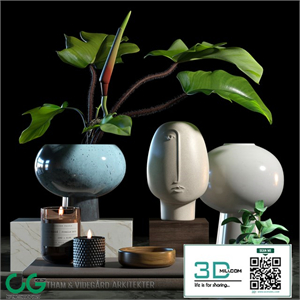
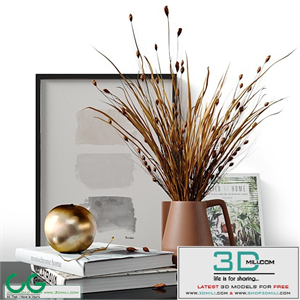
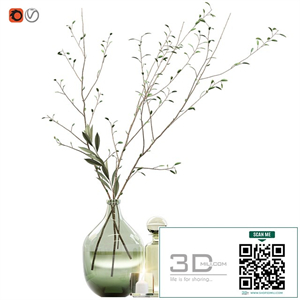
* Vases and bowls: Often crafted from *ceramics*, *glass*, or *metal*, these items can hold flowers, fruit, or simply serve as sculptural elements. A set might include a large statement vase paired with several smaller bowls of varying shapes and sizes.
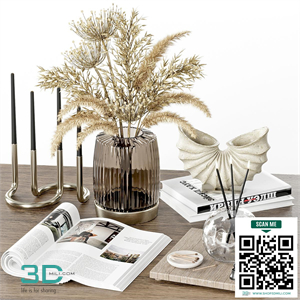
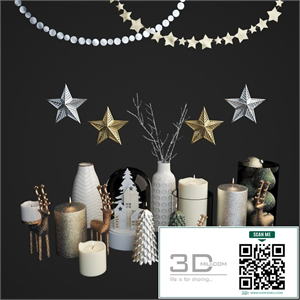
* Candles and candleholders: *Candles* create a warm and inviting ambiance, and a *decorative set* might include candles of varying heights and diameters, presented in elegant candleholders made from materials like *wood*, *metal*, or *crystal*.
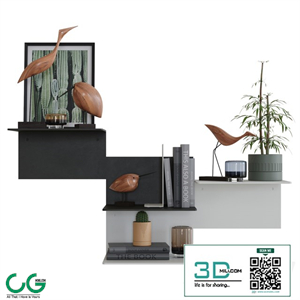
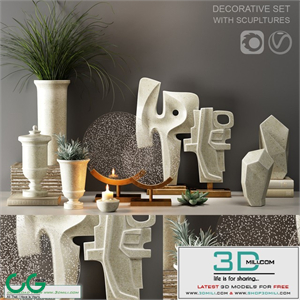
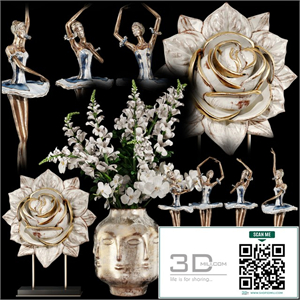
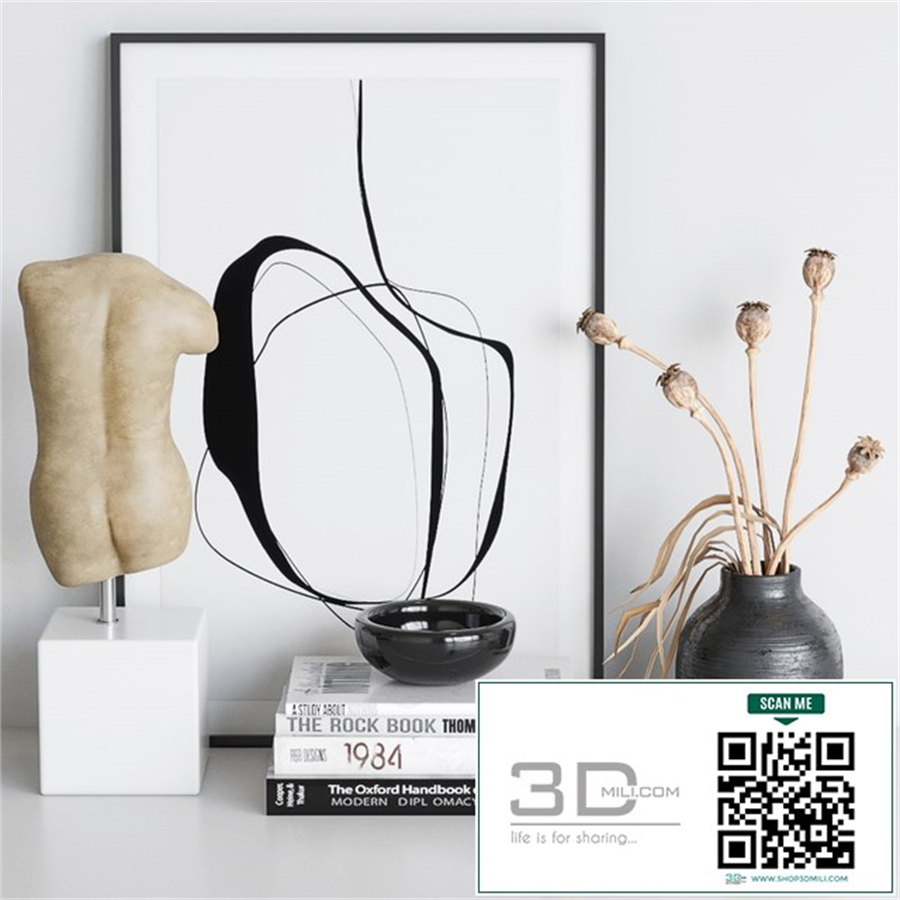
* Figurines and sculptures: These *decorative elements* can range from miniature representations of animals or people to abstract forms. A set might include several figurines crafted from the same material or sharing a common stylistic theme.
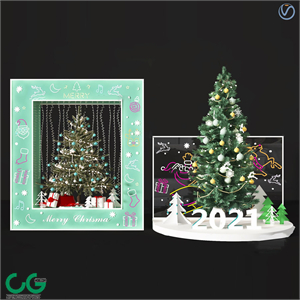
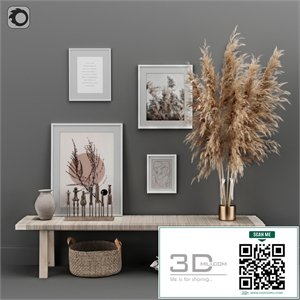
* Picture frames: A collection of *picture frames* in a consistent style, material, or color can create a cohesive display of photographs or artwork. Variations in size and shape can add visual interest.
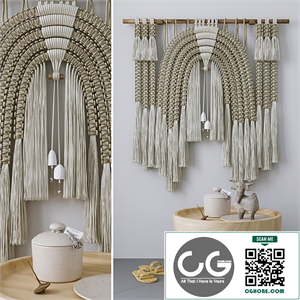
* Textiles: *Cushions*, *throws*, and *table runners* in matching or complementary patterns and fabrics can be part of a larger *decorative set*. This adds texture and warmth to the space.
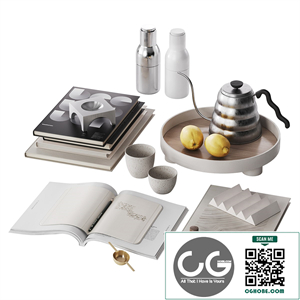
* Kitchenware: While often functional, *kitchenware sets* can also be highly decorative, incorporating intricate designs and unique materials. This could include *serving dishes*, *bowls*, and *platters* designed in a coordinated style.
Part 2: Design Principles in Decorative Sets
The design of an effective *decorative set* relies on several key principles:
* Unity and Harmony: The items within the set should share a common thread, such as *color*, *texture*, *shape*, or *style*, creating a sense of visual harmony. This *unity* prevents the set from appearing disjointed or haphazard.
* Balance and Proportion: The arrangement of the items within the set is crucial. The sizes and shapes of the individual pieces should be balanced, preventing the dominance of any single item. *Proportion* ensures that the items are appropriately scaled in relation to each other and the surrounding space.
* Emphasis and Focal Point: While *harmony* is important, a *focal point* can draw the viewer's eye and add dynamism to the set. This could be achieved through a larger item, a contrasting color, or a particularly intricate design.
* Rhythm and Repetition: Repeating certain elements, such as *color* or *shape*, throughout the set creates a sense of rhythm and visual interest. This repetition can be subtle or more pronounced, depending on the desired effect.
* Variety and Contrast: While *unity* is vital, too much sameness can be monotonous. Introducing subtle *variations* in color, texture, or shape adds visual interest and prevents the set from feeling overly repetitive. Careful *contrast* can highlight certain elements and prevent visual fatigue.
Part 3: Functionality and Practical Considerations
While primarily *decorative*, many sets incorporate a level of *functionality*. A set of serving dishes is both aesthetically pleasing and serves a practical purpose, while a collection of candles and candleholders adds both ambiance and a functional source of light (albeit a low-level one).
Consideration should be given to:
* Intended space: A set designed for a living room will differ significantly from one intended for a bathroom or kitchen. The *scale*, *material*, and *style* should be appropriate for the intended location.
* Purpose and usage: The items within the set should be chosen with their intended use in mind. A set of fragile *decorative items* should not be placed in a high-traffic area.
* Maintenance and care: The *materials* used in the set should be easy to clean and maintain, particularly if they are to be used frequently. Consider the durability and susceptibility to damage.
* Sustainability and ethical sourcing: In an increasingly environmentally conscious world, consumers are increasingly seeking out *sustainable* and ethically sourced decorative items. This includes considering materials, production processes, and the overall environmental impact.
Part 4: Market Trends and Future Directions
The market for *decorative sets* is constantly evolving, influenced by broader design trends and consumer preferences. Some current trends include:
* Sustainable and eco-friendly materials: *Recycled materials*, *organic materials*, and sustainable production processes are becoming increasingly important considerations for consumers.
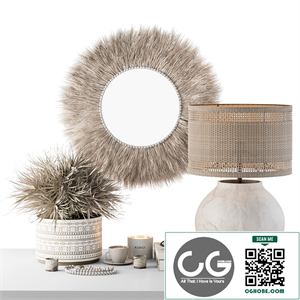
* Natural and organic aesthetics: Natural materials like *wood*, *stone*, and *rattan* are gaining popularity, reflecting a desire for a more calming and natural aesthetic.
* Minimalist and Scandinavian designs: Clean lines, simple shapes, and neutral color palettes continue to be popular, reflecting a preference for a less cluttered and more functional design aesthetic.
* Bohemian and eclectic styles: A mix-and-match approach to décor, incorporating various patterns, textures, and colors, is also gaining traction, allowing for a more personalized and expressive approach to decorating.
* Personalized and customizable sets: Consumers are increasingly seeking out customizable options, allowing them to personalize decorative sets to their own tastes and preferences.
Part 5: Conclusion: The Enduring Appeal of the Decorative Set
*Decorative sets* offer a unique opportunity to create a cohesive and aesthetically pleasing environment. By understanding the principles of design, considering practical aspects, and staying abreast of market trends, individuals and designers can create decorative sets that enhance the beauty and functionality of any space. The ability to combine individual elements into a harmonious whole, reflecting personal style and adding depth to a space, ensures the enduring appeal of the decorative set. The focus on *quality*, *sustainability*, and *personalization* will continue to shape the future of this ever-evolving aspect of interior design.