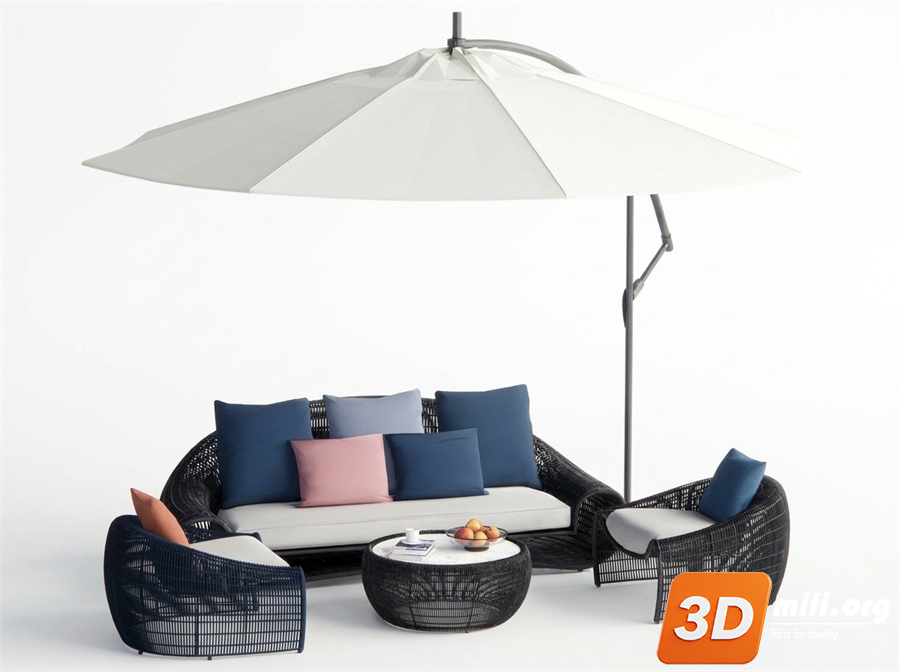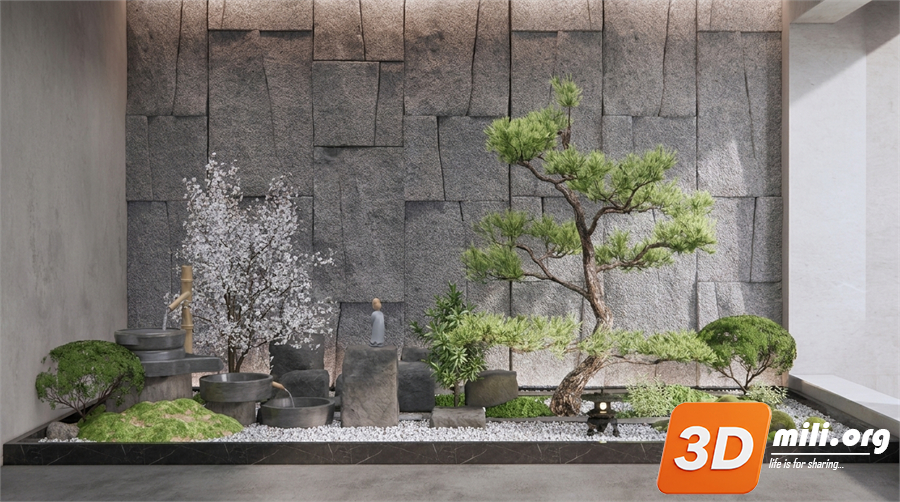
## The Allure of Decorative Sets: A Deep Dive into Design and Aesthetics
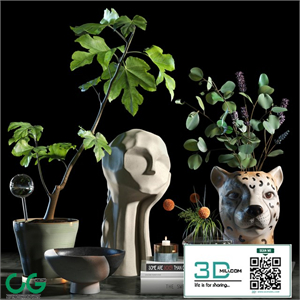
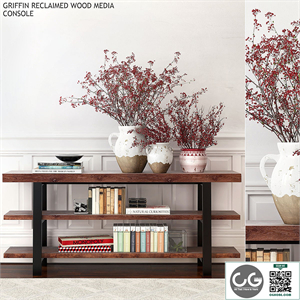
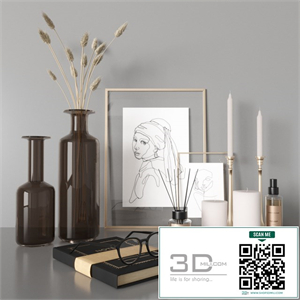
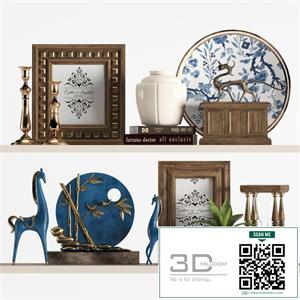
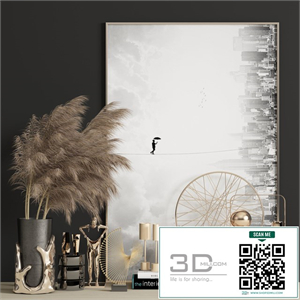
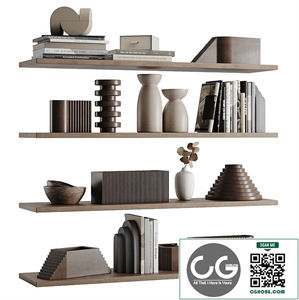
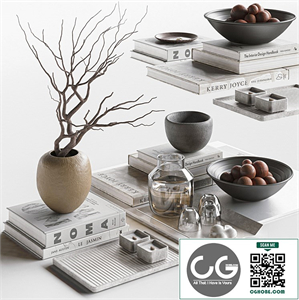
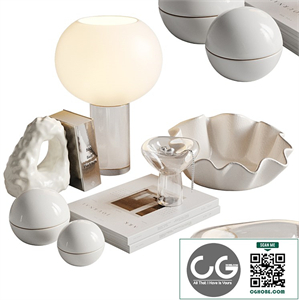
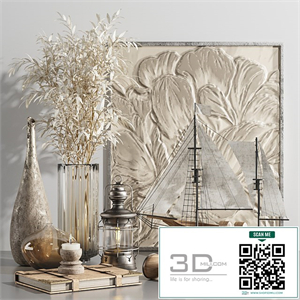
Decorative sets, more than just collections of individual items, represent a curated expression of style, a carefully orchestrated symphony of form and function. They transform spaces, tell stories, and imbue environments with personality. This exploration delves into the multifaceted world of decorative sets, examining their historical context, design principles, and the enduring appeal they hold in contemporary interiors.
Part 1: Historical Context – Tracing the Roots of Decorative Harmony
The concept of the *decorative set* isn't a modern invention; its roots stretch back through centuries of artistic and cultural expression. Early examples can be found in ancient civilizations, where sets of intricately carved furniture, pottery, and metalwork were often created for specific purposes, be it religious rituals or royal ceremonies. Think of the elaborate *dinner services* of the Roman Empire, each piece meticulously crafted and decorated to reflect the power and prestige of its owner. The *Renaissance* witnessed a resurgence of interest in classical forms, leading to the creation of beautifully coordinated sets of *furniture*, *textiles*, and *artwork*. These sets were not simply functional; they were statements of social standing and artistic taste.
The *18th and 19th centuries* saw the rise of *grand decorative schemes*, with entire rooms furnished in a cohesive style. Think of the *Rococo* style's playful asymmetry and opulent detail, or the *Neoclassical* emphasis on order and symmetry. These eras produced iconic *decorative sets*, from ornate *mantelpiece garnitures* to extensive *porcelain dinnerware collections*. Each element within these sets played a specific role in creating a unified and aesthetically pleasing whole. The rise of *industrialization* in the *19th century* led to the mass production of decorative items, making coordinated sets more accessible to a wider range of people. This also led to the rise of *matching sets*, such as *bedroom suites* and *dining room ensembles*, which became hallmarks of middle-class domesticity.
Part 2: Design Principles – Crafting Cohesion and Visual Harmony
The creation of a successful *decorative set* hinges on several key design principles. *Unity* is paramount: each piece should complement the others, creating a sense of visual harmony. This can be achieved through the use of consistent *color palettes*, *materials*, or *styles*. *Balance* is equally crucial. A set that is too heavy or too light, too cluttered or too sparse, will lack visual appeal. A designer might achieve balance by using a combination of *symmetrical* and *asymmetrical* arrangements, playing with scale and proportion to create an overall sense of equilibrium.
*Proportion* and *scale* are vital considerations. The size and relationship between different pieces within a set should be carefully considered. A *large centerpiece* might need to be balanced by several smaller, equally weighted items. Similarly, the *scale* of the decorative set must relate to the space it occupies. An overly large set in a small room can feel overwhelming, while a tiny set in a vast space can seem insignificant.
*Emphasis* directs the viewer's eye to a focal point. Within a decorative set, this might be a particularly striking piece, a unique texture, or a bold color. The remaining elements should support this focus without detracting from it. *Rhythm* and *repetition* add interest and visual coherence. Repeated motifs, patterns, or colors can create a dynamic and visually engaging set. However, careful consideration must be given to avoid monotony; the introduction of *variety* keeps the set from becoming visually tiresome.
Part 3: Materials and Styles – A Spectrum of Expression
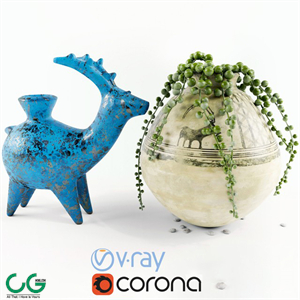
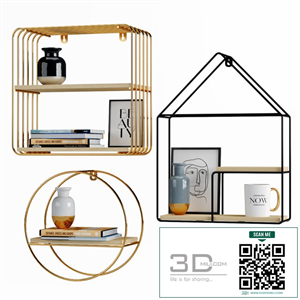
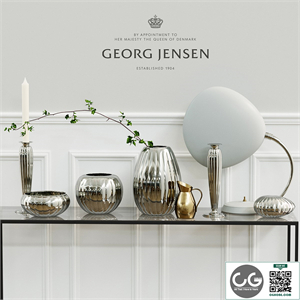
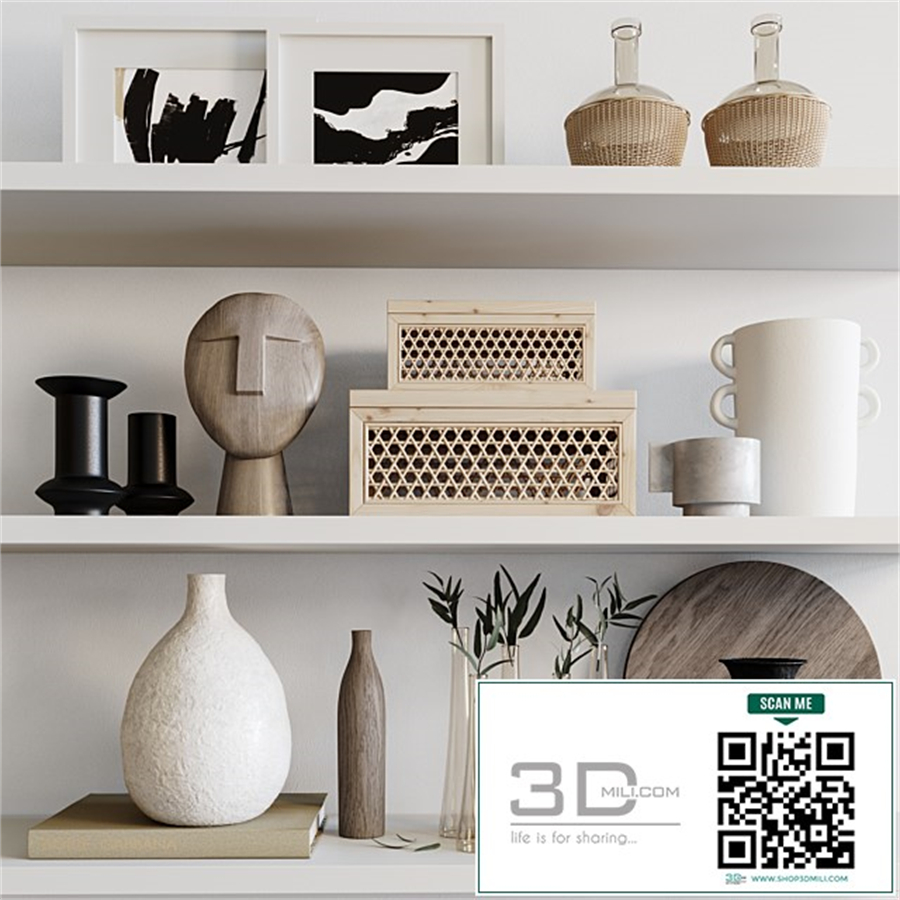
The materials used in a *decorative set* significantly impact its aesthetic and overall effect. *Natural materials* like wood, stone, and ceramic often convey a sense of warmth and timelessness. *Metallic materials* such as silver, gold, and brass add sophistication and luxury. *Textiles*, including fabrics like silk, linen, and velvet, introduce softness and texture, while *glass* adds a sense of elegance and light.
The *style* of a decorative set is equally important. *Modern minimalist sets* favor clean lines, simple shapes, and neutral colors, while *traditional sets* might incorporate ornate details, rich colors, and intricate patterns. *Bohemian sets* often feature eclectic mixes of textures, patterns, and materials, while *rustic sets* evoke a sense of natural simplicity. The choice of style should be guided by personal preferences and the overall aesthetic of the space the set will inhabit.
Part 4: Functional Aspects and Contextual Considerations
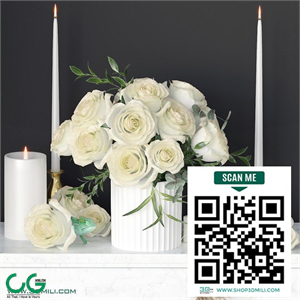
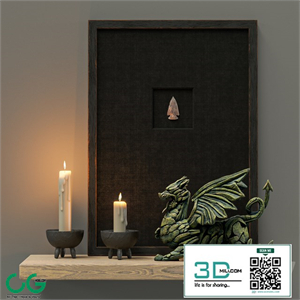
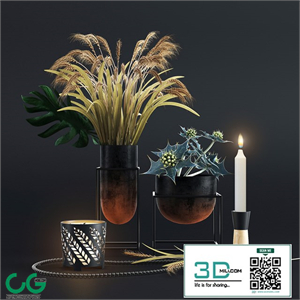
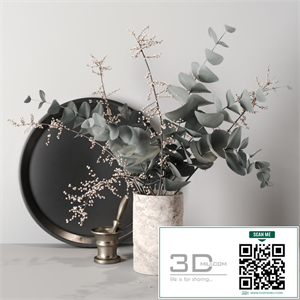
While aesthetics are paramount, the *functionality* of a decorative set should not be overlooked. A set of *dinnerware* must be durable and practical, while a set of *vases* should serve its purpose of displaying flowers effectively. Similarly, the *context* in which a decorative set is used plays a crucial role in its overall impact. A *set of candlesticks* will look quite different on a *mantelpiece* than on a *dining table*.
The *size* and *scale* of the space in which the set is displayed must be taken into consideration. A large *decorative set* would overwhelm a small room, while a small set might be lost in a large space. The existing *color palette* and *decor* of the room should also inform the choice of decorative set. The set should complement rather than clash with the surroundings. Finally, the *personal preferences* of the owner are paramount. The *decorative set* should reflect their taste and style, making the space feel unique and inviting.
Part 5: The Enduring Appeal – Why Decorative Sets Matter
In a world of mass-produced, disposable items, the enduring appeal of the *decorative set* lies in its ability to bring a sense of *cohesion*, *thoughtfulness*, and *personality* to a space. It's a testament to the power of thoughtful curation and an expression of individual taste. More than just a collection of objects, a *decorative set* tells a story, reflects a history, and enhances the overall experience of a home.
The creation of a *decorative set* is a rewarding process, blending creativity, design principles, and a deep appreciation for beauty. It's a journey of discovery, allowing individuals to express their unique style and create spaces that feel both beautiful and personal. From historical precedents to modern interpretations, the *decorative set* remains a powerful and enduring form of artistic expression. It transforms the ordinary into the extraordinary, reflecting our aspirations and adding a touch of magic to our everyday lives. The *decorative set*, in its many forms, continues to inspire and enchant, reminding us of the enduring power of beauty and the art of thoughtful design.