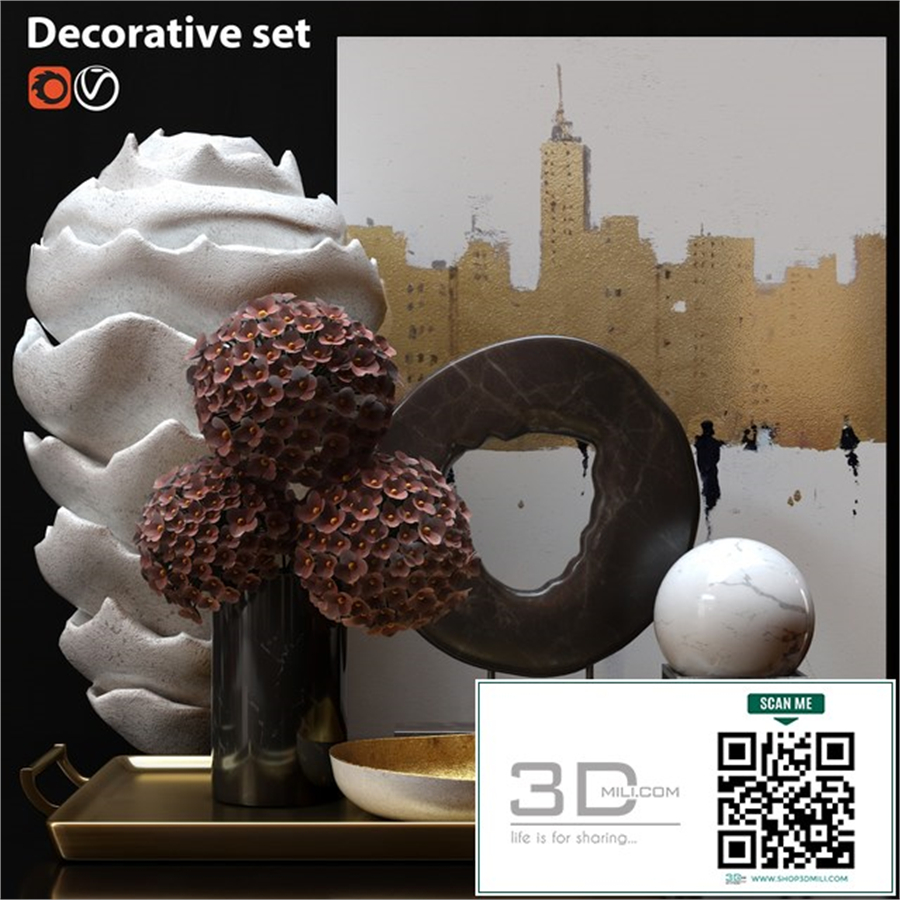
## The Allure of Decorative Sets: An Exploration of Design, Functionality, and Aesthetic Harmony
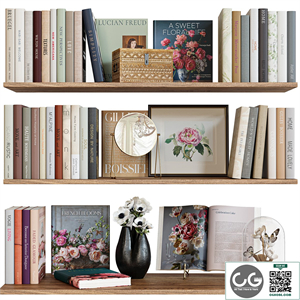
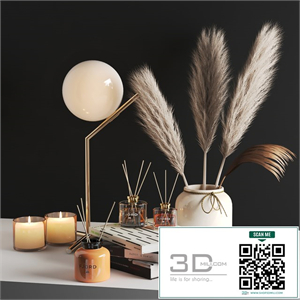
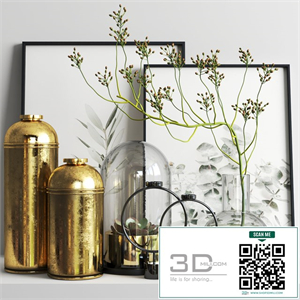
Decorative sets, a seemingly simple concept, hold within them a wealth of design possibilities and cultural significance. More than just a collection of individual items, they represent a curated *aesthetic*, a deliberate *arrangement* designed to enhance a space and reflect the personality and taste of its owner. This exploration delves into the multifaceted world of decorative sets, examining their historical context, design principles, and enduring appeal in contemporary interiors.
### Part 1: A Historical Tapestry of Decorative Sets
The concept of decorative sets isn't new; its roots stretch far back in history. Ancient civilizations utilized *coordinated* ensembles of objects for both practical and symbolic purposes. Think of the elaborate *ceremonial vessels* of ancient Egypt, the intricately decorated *pottery sets* of ancient Greece, or the meticulously crafted *tea services* of the Chinese Ming Dynasty. These early examples demonstrate the primal human desire to create *visual harmony* and express social status through carefully chosen and arranged objects.
The Renaissance saw a flourishing of decorative arts, with opulent *table settings*, meticulously crafted *silverware ensembles*, and richly decorated *furniture sets* becoming status symbols amongst the wealthy elite. The Baroque period further emphasized *ornamentation* and *exuberance*, leading to the creation of highly elaborate decorative sets often featuring *gilded finishes* and intricate carvings. This emphasis on ostentation continued into the Rococo period, though with a lighter, more playful aesthetic.
The 18th and 19th centuries witnessed the rise of the *middle class*, leading to a wider availability of decorative sets. While not always as lavish as their aristocratic counterparts, these sets still reflected a desire for *order* and *aesthetic refinement*. The Victorian era, for example, saw the popularization of *china sets*, *porcelain figurines*, and *ornate clocks*, often collected and displayed as a testament to one's social standing and good taste.
The 20th century brought about significant shifts in design philosophy. The *Arts & Crafts movement* emphasized handcrafted objects and *natural materials*, while the *Art Deco* style embraced geometric shapes and *modern materials* like chrome and Bakelite. Both movements influenced the design of decorative sets, emphasizing functionality alongside beauty. Mid-century modern design, with its emphasis on *simplicity* and *clean lines*, further redefined the aesthetic of decorative sets, favoring minimalist arrangements and a focus on *quality materials*.
### Part 2: Design Principles and Elements of Effective Decorative Sets
Creating a successful decorative set goes beyond simply collecting attractive items. Effective sets are characterized by careful consideration of several key *design principles*:
* Unity and Harmony: The individual pieces should work together seamlessly, sharing a common aesthetic thread in terms of *style*, *color palette*, *materials*, or *texture*. This creates a sense of *cohesion* and visual balance. Disparate elements can be unified through the use of a *recurring motif* or a consistent *color scheme*.
* Balance and Proportion: The arrangement of items should be visually balanced, with elements of similar weight distributed evenly. *Proportion* is also crucial; the size and scale of the individual pieces should be appropriate for the space and each other. An effective strategy is to use the *rule of thirds* to create a visually pleasing arrangement.
* Emphasis and Focal Point: A successful decorative set will usually have a *focal point*, a piece that draws the eye and anchors the arrangement. This could be a larger, more ornate piece, or a uniquely colored or textured item. The other pieces should support this focal point without competing for attention.
* Rhythm and Repetition: The repetition of shapes, colors, or textures can create a sense of *rhythm* and visual interest. This can be achieved through the use of *similar patterns* or the repetition of a specific *shape* or *form*.
* Contrast and Variety: While unity is important, a certain level of *contrast* can add visual interest. This can be achieved through the use of varying textures, colors, or sizes. However, contrast should be used judiciously to avoid creating a chaotic or discordant effect.
Choosing the right *materials* plays a crucial role. The texture and finish of each item can significantly impact the overall aesthetic. A mix of *smooth and rough textures* can add depth and visual interest. Similarly, using a blend of *shiny and matte finishes* can enhance the visual appeal. The *color palette* should also be carefully considered, creating a harmonious blend that reflects the desired atmosphere.
### Part 3: Contemporary Trends in Decorative Sets
Today, decorative sets reflect a diversity of styles and personal expressions. While traditional aesthetics remain popular, modern designers are pushing boundaries, experimenting with new materials, techniques, and design concepts.
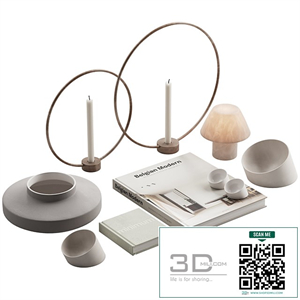
* Minimalist Sets: These sets emphasize simplicity, clean lines, and a limited color palette, often featuring natural materials such as wood and stone. They reflect a preference for functionality and understated elegance. The emphasis is on *quality over quantity*, and each item is chosen for its inherent beauty and functionality.
* Eclectic Sets: These sets blend different styles and periods, creating a unique and personalized aesthetic. The focus is on *individual expression* and a curated selection of objects that reflect the owner's personality and interests. A careful selection of contrasting yet harmonious items is key here.
* Bohemian Sets: Bohemian-style sets embrace a sense of *free-spiritedness* and global influences. They often feature vibrant colors, intricate patterns, and a mix of textures and materials, reflecting a love for travel and cultural exploration. Layered textiles, ethnic motifs, and vintage finds are common elements.
* Modern Farmhouse Sets: This style blends rustic charm with modern minimalism, combining natural materials like wood and metal with clean lines and simple forms. The overall aesthetic is characterized by a sense of *rustic elegance* and warmth. Items like distressed wood, galvanized metal accents, and linen textiles are frequently used.
* Sustainable and Ethical Sets: There is a growing trend towards decorative sets made from *sustainable* and ethically sourced materials. This reflects a growing awareness of environmental and social responsibility. Consumers are increasingly seeking out sets made from recycled materials or produced by fair-trade artisans.
### Part 4: Selecting and Arranging Decorative Sets
Choosing and arranging a decorative set involves a process of thoughtful selection and considered placement. Begin by defining the *style* and *purpose* of the set. Consider the overall aesthetic of the room and how the set will contribute to the ambiance. Select pieces that complement each other in terms of *style*, *color*, and *texture*.
Consider the *scale* and *proportion* of the items in relation to the space. Avoid overcrowding the area. Use *negative space* effectively to allow individual pieces to stand out. Experiment with different arrangements until you achieve a visually pleasing and balanced result.
The placement of a decorative set should be strategic. Consider the *lighting* in the room, ensuring that the items are well-lit and visible. The placement should also enhance the *flow* and *functionality* of the space. Remember that a decorative set should not just be visually appealing but also enhance the overall feel and functionality of the room.
Finally, *personalization* is crucial. A decorative set is a reflection of your personality and taste. Don't be afraid to experiment and express your creativity. Select pieces that you love and that bring you joy, creating a unique and meaningful collection. The true value of a decorative set lies not only in its aesthetic appeal but also in the story it tells about the person who curated it.