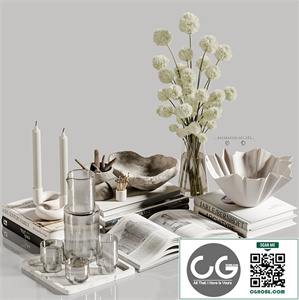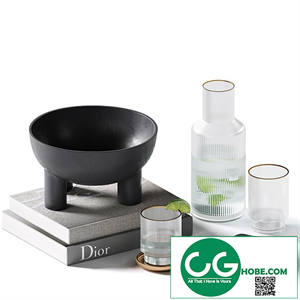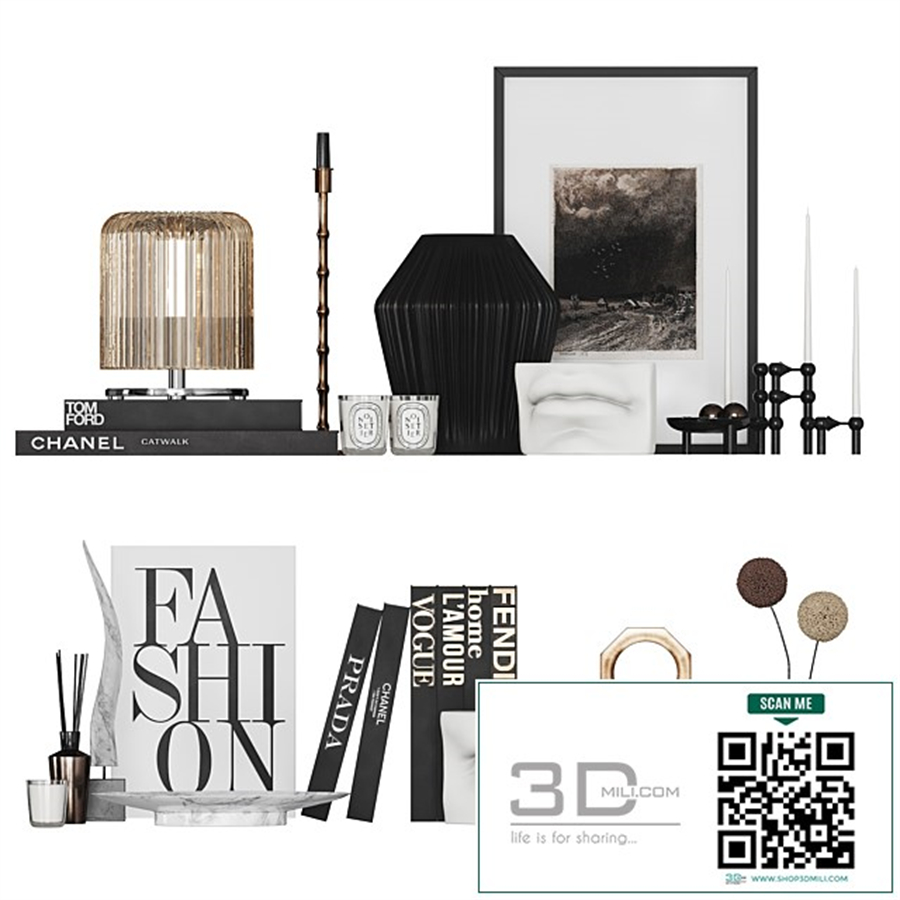
## Decorative Set 9: A Deep Dive into Design and Inspiration
Decorative Set 9 represents a culmination of design principles, artistic choices, and practical considerations. This exploration delves into the multifaceted aspects of this particular set, examining its *aesthetic*, *functional*, and *conceptual* elements. We will analyze its potential applications, explore the inspirations behind its creation, and consider its place within a broader design landscape.
Part 1: Unveiling the Aesthetics of Decorative Set 9
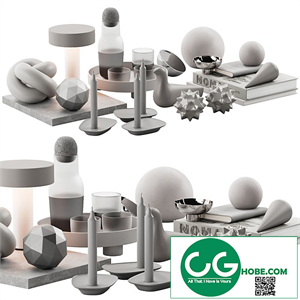
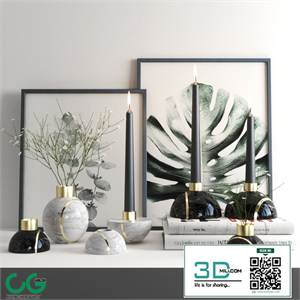
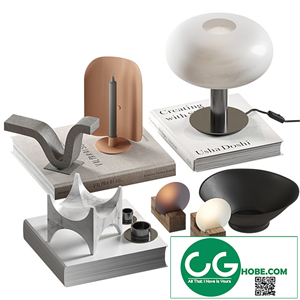
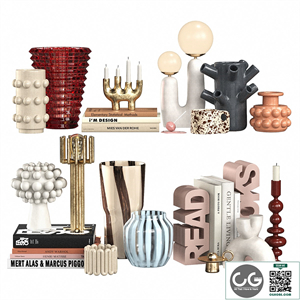
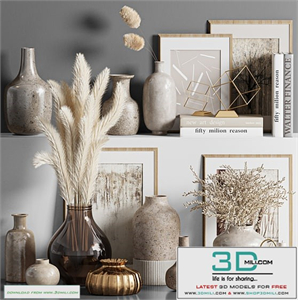
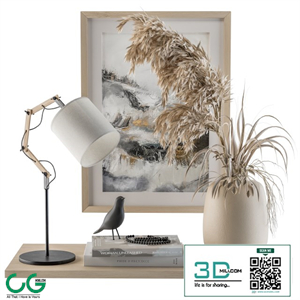
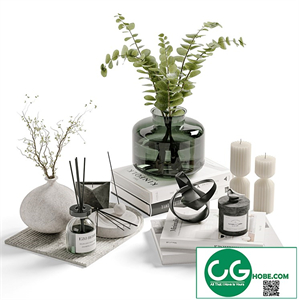
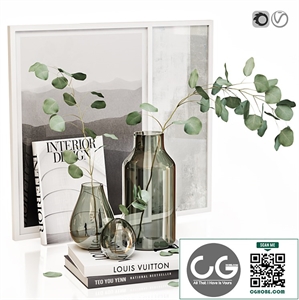
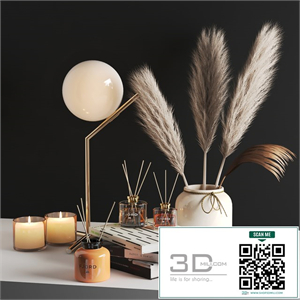
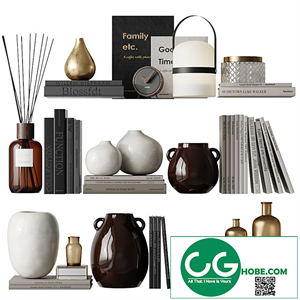
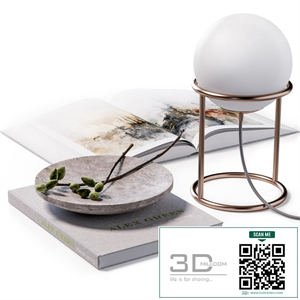
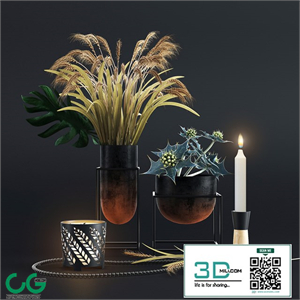
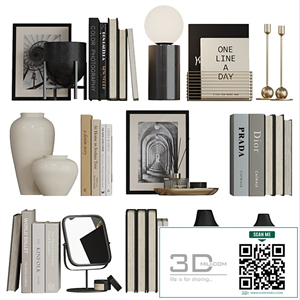
At its core, Decorative Set 9 is defined by its *unique aesthetic*. This isn't simply a collection of decorative items; it's a carefully orchestrated *composition* of elements working together to create a *harmonious whole*. The initial impression is one of *elegance* and *sophistication*, perhaps with a hint of *playfulness* or *whimsy*, depending on the specific items included. The visual *language* employed might range from the *minimalistic* and *geometric* to the *ornate* and *maximalist*, a dynamic tension that adds depth and intrigue.
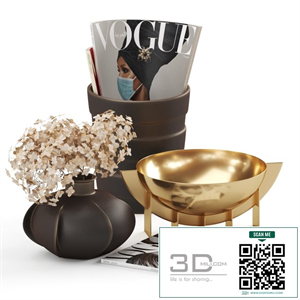
The *color palette* plays a crucial role in establishing the overall mood and tone. Is it a *vibrant* and *saturated* palette, suggesting energy and excitement? Or is it more *muted* and *subtle*, conveying serenity and calmness? The *texture* of the individual pieces also contributes significantly. The interplay of *smooth* and *rough*, *shiny* and *matte* surfaces creates a fascinating tactile experience, enhancing the visual appeal.
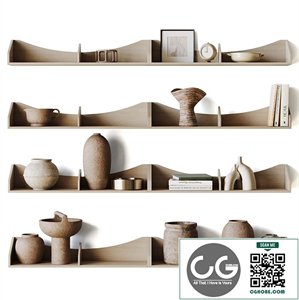
*Material choices* are paramount. Is the set crafted from *natural materials* like wood or stone, emphasizing a connection to nature? Or does it utilize *modern materials* like polished metal or glass, reflecting a sense of contemporary style? The *craftsmanship* evident in the creation of each piece is also a key element. Meticulous attention to *detail* speaks volumes about the quality and care that has gone into the design. The *finishes* – whether it be a *glossy lacquer*, a *matte powder coat*, or a *hand-rubbed patina* – all contribute to the final aesthetic impression.
Part 2: Functionality and Practical Applications
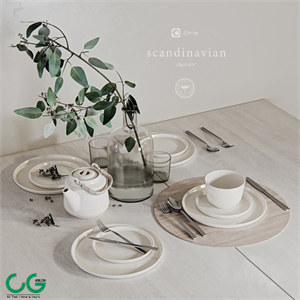
While aesthetic appeal is undeniably important, the *functionality* of Decorative Set 9 is equally crucial. This isn't simply about visual gratification; it's about how the set interacts with its environment and enhances the user experience. The *practical applications* of the set are diverse and depend on the specific items included. It might serve as a *decorative centerpiece* for a table, a *collection of accent pieces* to enhance a room's ambiance, or even a *functional set* with items that serve practical purposes beyond mere decoration.
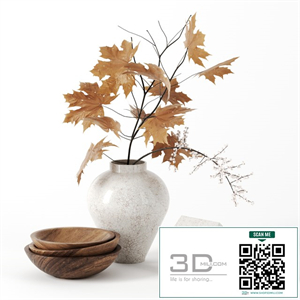
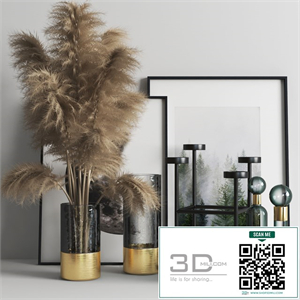
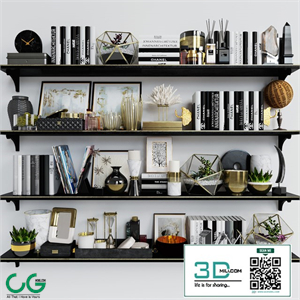
For example, the set might include *vases* for flowers, *bowls* for fruit, *candlesticks* for ambient lighting, or *decorative trays* for organization. These *functional elements* seamlessly integrate with the *decorative aspects*, blurring the lines between utility and beauty. The *ergonomics* of the pieces – their *shape*, *size*, and *weight* – all contribute to their usability and overall practicality. A well-designed set is both aesthetically pleasing and comfortable to use. The *durability* of the materials and construction is also a critical consideration. A set intended for frequent use requires robust construction to withstand the test of time.
Part 3: The Conceptual Framework: Inspiration and Design Intent
The *conceptual framework* underpinning Decorative Set 9 is crucial to understanding its overall impact. The *inspiration* behind the design might stem from a myriad of sources, ranging from *natural forms* and *geometric patterns* to *historical styles* and *contemporary art movements*. Understanding these *influences* allows us to appreciate the creative process and the designer's intent.
The set might be inspired by the *organic curves* of nature, reflecting a desire to bring the outdoors in. Conversely, it might incorporate *sharp angles* and *geometric precision*, showcasing a preference for modern minimalism. *Historical styles* like Art Deco, Baroque, or Mid-Century Modern could also serve as inspiration, adding a sense of *timeless elegance* or *retro charm*. The *cultural context* is also important. Certain design elements might reflect specific cultural traditions or artistic movements.
The *design intent* behind Decorative Set 9 goes beyond mere aesthetics. It might aim to evoke a particular *mood* or *feeling*, perhaps creating a sense of *serenity*, *excitement*, or *nostalgia*. The set might also tell a story, conveying a *narrative* through its visual elements. The *symbolic meaning* of certain shapes, colors, or materials might be explored, adding layers of depth and complexity to the design.
Part 4: Decorative Set 9 in the Broader Design Context
Finally, it's important to situate Decorative Set 9 within the *broader context* of design trends and movements. How does it relate to contemporary design aesthetics? Does it challenge or reinforce existing conventions? The set might reflect a *current design trend*, such as a focus on *sustainability*, *minimalism*, or *maximalism*. It might also represent a *unique departure* from established norms, pushing the boundaries of design innovation.
The *market positioning* of Decorative Set 9 is also relevant. Is it a *luxury item* aimed at a discerning clientele, or a more *affordable option* targeting a wider audience? The *target demographic* greatly influences the design choices, from the materials used to the overall aesthetic. Furthermore, the set's *impact* on the surrounding environment is a consideration. Sustainable materials and production methods are increasingly important in today's design world.
In conclusion, Decorative Set 9 is more than just a collection of decorative objects; it's a holistic design statement, a testament to the power of aesthetics, functionality, and conceptual integrity. By carefully considering its *aesthetic qualities*, *practical applications*, *conceptual framework*, and its place in the wider design world, we gain a deeper appreciation for the artistry and thoughtfulness that has gone into its creation. This comprehensive analysis reveals the richness and complexity inherent in even seemingly simple decorative pieces.