## Decorative Set for Filling Shelves: A Design Exploration (Part 1: The Problem & Inspiration)
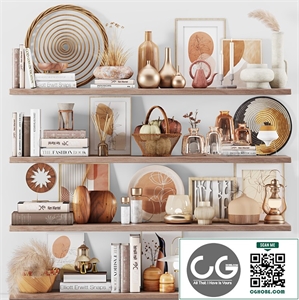
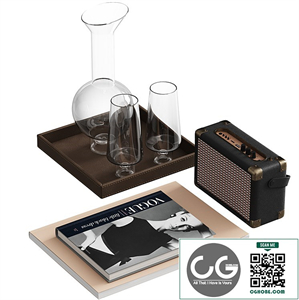
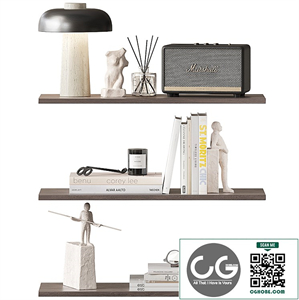
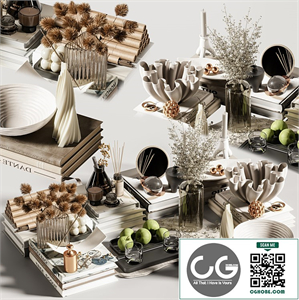
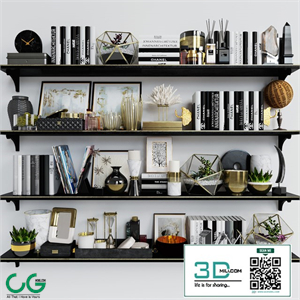
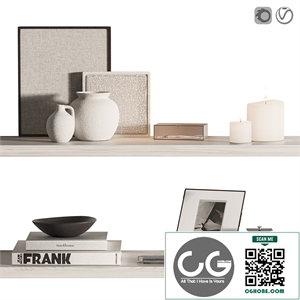
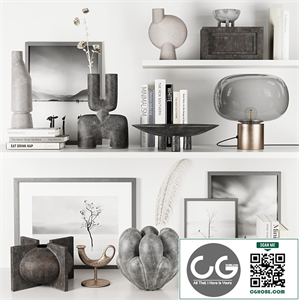
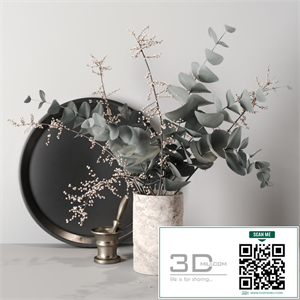
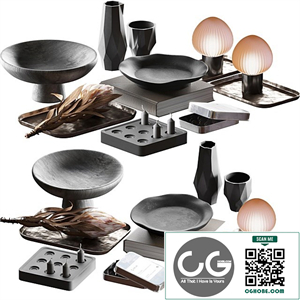
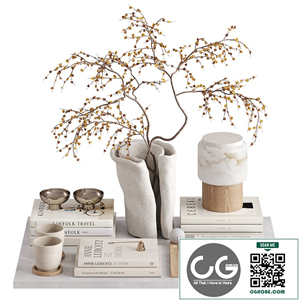
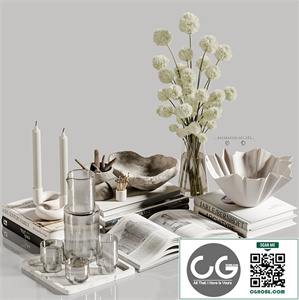
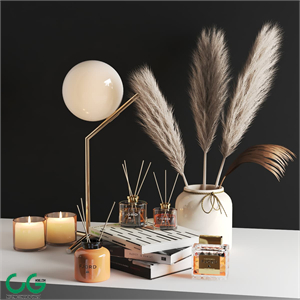
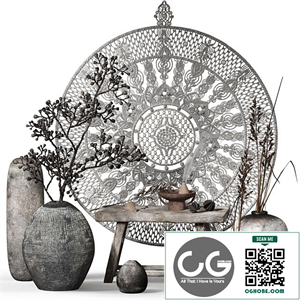
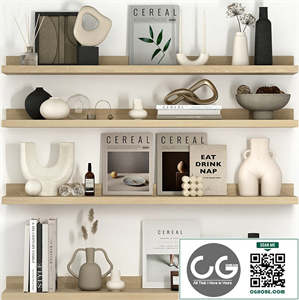
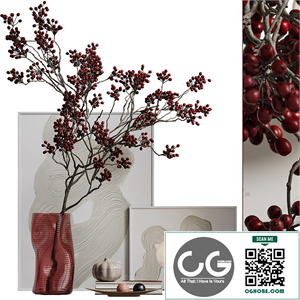
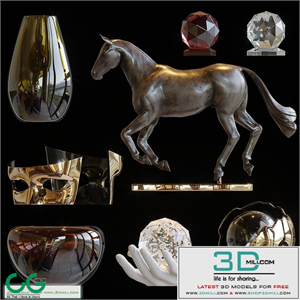
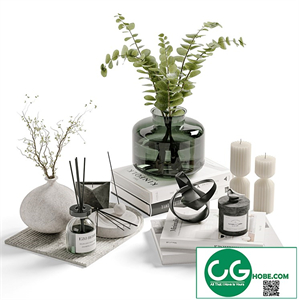
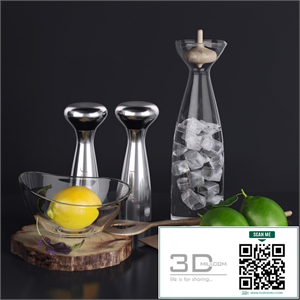
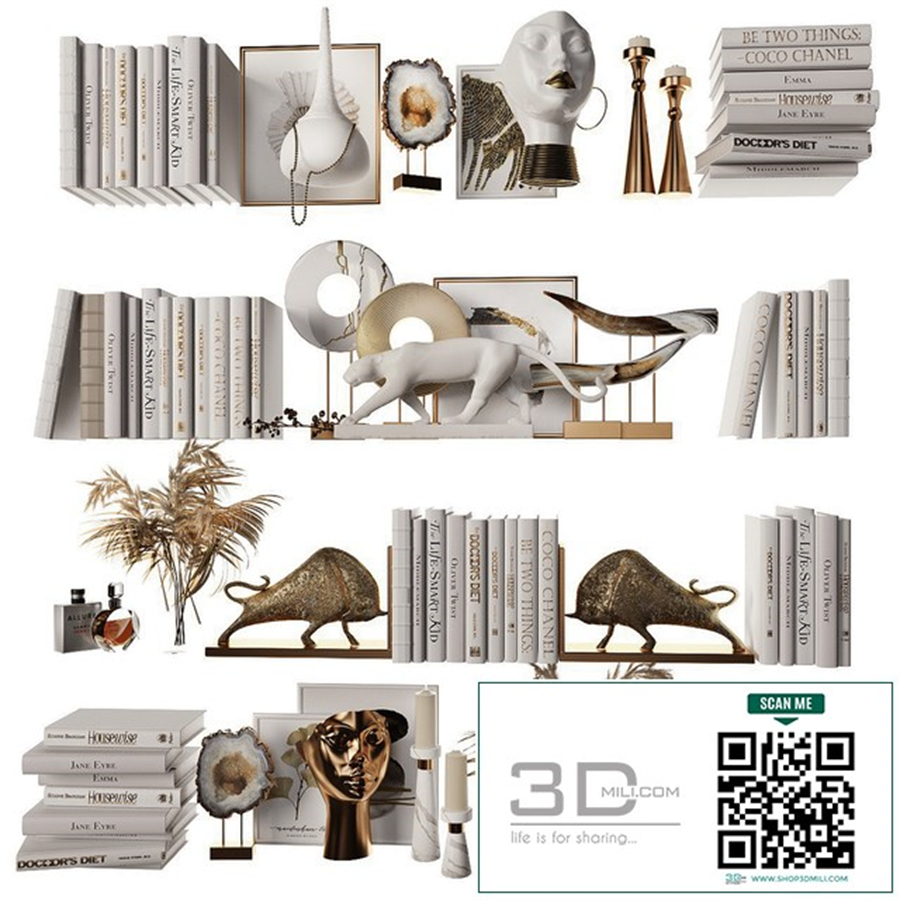
The ubiquitous empty shelf. A common sight in homes, offices, and retail spaces, it represents untapped potential for visual storytelling and personalized ambiance. While a bare shelf might serve its functional purpose, it often lacks the personality and warmth that contribute to a truly inviting and engaging environment. This design project addresses this exact issue by proposing a *decorative set* specifically crafted for the purpose of *shelf filling*. The aim is not merely to "fill" the space, but to actively *enhance* it with a cohesive and aesthetically pleasing collection of items. This set, designed for shelf spaces of varying sizes, offers a solution for achieving a stylish and sophisticated look without the overwhelming effort of individual curation. The resulting design will be both practical and visually stimulating, providing an easy and effective way to transform otherwise drab shelving into a focal point.
The inspiration for this project stems from several key sources. Firstly, the growing trend towards *minimalist aesthetics* paired with a desire for personalized spaces has created a demand for decorative solutions that are both visually uncluttered and expressive of individual style. We see this in the rise of carefully curated online marketplaces and the popularity of home décor blogs featuring meticulously styled shelves. However, achieving this look often requires significant time, effort, and a keen eye for design. This project aims to democratize access to this aesthetic, providing a pre-curated solution that anyone can use to instantly elevate their shelf space.
Secondly, we drew inspiration from the *principles of visual merchandising*. Retail spaces expertly employ techniques to display products in a visually appealing manner, drawing attention and influencing purchasing decisions. This project incorporates similar principles, using considerations of *scale*, *proportion*, *color*, and *texture* to create a visually engaging and harmonious composition on the shelf. The goal is to replicate the sophisticated appeal of professionally styled displays in a home or office setting.
Furthermore, the design incorporates the concept of *modular design*. This means the set can be adapted to various shelf sizes and arrangements. Individual components can be used independently or combined in multiple configurations, offering flexibility and versatility for a wide range of applications. This modularity allows users to customize the set to their specific needs and preferences, maximizing its usability and appeal across diverse spaces and personal styles.
Finally, the project seeks to prioritize *sustainability* and *ethical sourcing* in its material selection and manufacturing processes. The materials used will be chosen with a focus on minimizing environmental impact and supporting responsible production practices. This commitment to sustainability will extend beyond the materials themselves to include the packaging and overall lifecycle of the product.
## Decorative Set for Filling Shelves: A Design Exploration (Part 2: Design Principles and Material Selection)
This section will delve into the specific design principles guiding the creation of this decorative shelf-filling set. The overarching aim is to produce a collection that is both *visually appealing* and *practically useful*. The core design principles are:
* Unity and Cohesion: All components of the set will share a common aesthetic thread, creating a sense of harmony and visual unity. This will be achieved through consistent use of color palettes, material choices, and design motifs. While individual items may vary slightly in form, they will maintain a clear familial resemblance, ensuring the overall look is cohesive and balanced.
* Visual Hierarchy: The design will incorporate a system of visual hierarchy to guide the eye and create a sense of depth and interest. This will be achieved through variations in size, shape, texture, and color, strategically placed to create focal points and visual pathways across the shelf.
* Balance and Proportion: The arrangement of items within the set will adhere to principles of balance and proportion. This will ensure that the composition is visually pleasing and avoids appearing cluttered or disorganized. The sizes and shapes of the individual pieces will be carefully considered to create a harmonious and aesthetically pleasing overall effect.
* Texture and Contrast: A variety of textures will be incorporated to add visual richness and interest. This might involve combining smooth surfaces with rough textures, matte finishes with glossy ones, or natural materials with man-made ones. This interplay of textures will enhance the visual appeal and create a more tactile experience.
* Color Palette: A carefully curated color palette will form the foundation of the set's aesthetic. The specific colors will be chosen to evoke a desired mood or atmosphere, while ensuring compatibility with a wide range of interior design styles. The aim is to create a versatile set that can be seamlessly integrated into various home or office environments.
The *material selection* is crucial to achieving the desired aesthetic and functional properties. We are exploring several options, prioritizing sustainable and ethically sourced materials:
* Recycled Wood: Offering a rustic charm and a strong environmental message. The wood will be carefully selected to ensure consistent quality and visual appeal. Different types of recycled wood might be utilized to introduce textural variation within the set.
* Sustainable Ceramics: Providing a clean and modern aesthetic, with potential for varied shapes and colors. Ceramics offer durability and versatility, suitable for both decorative and potentially functional elements within the set.
* Natural Fibers (e.g., Cotton, Jute): These materials can contribute texture and warmth, potentially employed for baskets or decorative textiles within the set. The focus will be on organic and ethically sourced fibers to maintain the project's sustainability commitments.
* Recycled Metal (e.g., Aluminum): Could be used for small accents or structural elements, offering a modern and industrial touch. This would further contribute to the project's environmental responsibility.
The final material choices will be determined through prototyping and rigorous testing to ensure durability, aesthetic appeal, and compatibility with the overall design concept.
## Decorative Set for Filling Shelves: A Design Exploration (Part 3: Functionality and Versatility)
The functionality of the decorative set extends beyond its purely aesthetic qualities. The design aims to maximize its practical use and versatility, ensuring it can cater to a wide range of user needs and preferences. The *key aspects of functionality* are:
* Modular Design: This is a core principle, enabling users to customize the arrangement and composition of the set to fit their individual shelves and preferences. Items can be used independently or combined in various configurations, providing flexibility and adaptability. This modularity will be achieved through standardized dimensions and connection points, facilitating easy arrangement and rearrangement.
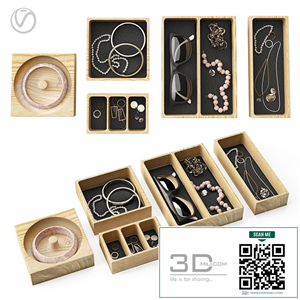
* Storage & Organization: While primarily decorative, some components may incorporate storage functionalities. For example, small boxes or baskets could be included to store small items like keys, remote controls, or stationery, adding a practical dimension to the set's appeal. This practicality enhances its overall value and usability.
* Variable Sizes: The set will be designed to accommodate shelves of varying sizes and depths, ensuring compatibility with a wide range of shelving units. This scalability will be crucial to its widespread usability and market appeal. The individual pieces will be available in multiple sizes, allowing users to create diverse configurations suited to their specific space.
* Easy Cleaning and Maintenance: The materials used will be chosen to ensure ease of cleaning and maintenance. The design will minimize crevices and hard-to-reach areas, simplifying upkeep and ensuring the set remains aesthetically pleasing over time. This will be a key factor in ensuring its long-term appeal and practicality.
The *versatility* of the design stems from its capacity to adapt to different styles and contexts. The neutral color palette, coupled with the modular design, will ensure the set can complement various interior design styles, ranging from minimalist and modern to rustic and eclectic. The use of natural and recycled materials will align the design with current trends in sustainable living, further broadening its appeal to a wider consumer base.
## Decorative Set for Filling Shelves: A Design Exploration (Part 4: Prototyping and Future Development)
The final stage of the design process involves rigorous prototyping and iterative refinement. Multiple prototypes will be created to test the design's functionality, aesthetics, and durability. This phase will involve:
* Material Testing: Evaluating different materials to determine their suitability in terms of aesthetics, durability, and sustainability. This will include testing for strength, wear resistance, and ease of cleaning. The results of these tests will inform the final material selection.
* Form Factor Refinement: Fine-tuning the shapes and sizes of the individual components to optimize their visual appeal and functionality. This may involve adjustments to dimensions, proportions, and overall design to enhance the set's overall effectiveness and aesthetic quality.
* User Feedback: Gathering feedback from potential users through surveys, focus groups, and usability testing. This will be crucial in identifying areas for improvement and ensuring the final design meets the needs and expectations of the target market.
* Packaging Design: Developing sustainable and aesthetically pleasing packaging that protects the set during shipping and enhances the overall user experience. This will include consideration of material choices, ease of opening, and overall visual presentation.
Following the prototyping phase, the focus will shift to future development and market considerations. This includes:
* Production Planning: Establishing a sustainable and ethical manufacturing process that minimizes environmental impact and ensures high-quality production. This will involve selecting appropriate manufacturing partners and implementing robust quality control measures.
* Marketing and Branding: Developing a strong brand identity and marketing strategy to effectively communicate the set's value proposition and reach the target market. This will include creating compelling visuals, developing a website, and exploring various distribution channels.
* Potential Expansion: Exploring potential expansions of the set, such as adding new components, colors, or variations to cater to evolving market demands and diversify the product line. This might include developing complementary products or accessories to further enhance the shelf-filling experience.
This comprehensive approach to design and development ensures the creation of a truly innovative and impactful decorative shelf-filling set that meets both aesthetic and functional needs, while upholding high standards of sustainability and ethical production. The resulting product will not only fill empty shelves but will transform them into engaging and personalized focal points, enhancing the overall atmosphere of any space.