## A Study in Imperfection: Wabi-Sabi Plates and the Majestic Protea
This design explores the captivating juxtaposition of *wabi-sabi* aesthetics and the flamboyant beauty of the *Protea* flower. We'll delve into the philosophy underpinning the design, the material choices, the artistic process, and the overall impact of this decorative plate set. The goal is to craft a collection that transcends mere functionality, transforming the everyday act of dining into a meditative experience, celebrating the beauty of imperfection and the ephemeral nature of life.
Part 1: Embracing Wabi-Sabi – The Philosophy of Imperfection
The *wabi-sabi* aesthetic, deeply rooted in Japanese *Zen Buddhism*, finds beauty in the *imperfect*, *impermanent*, and *incomplete*. It values authenticity and naturalness over artificial perfection. It's a philosophy that celebrates the unique character of each object, embracing its flaws, cracks, and irregularities as testament to its history and journey. This isn't about neglecting craftsmanship; rather, it's about acknowledging the inherent beauty in the *natural* process of creation. In this design, *wabi-sabi* manifests in the subtle variations in glaze, the organic shapes of the plates, and the deliberate imperfections that give each piece its unique identity. We intentionally eschew mass-produced uniformity in favor of handcrafted individuality.
The plates themselves, rather than aiming for pristine smoothness, will exhibit subtle textural variations. *Craquelure*, the delicate network of cracks that forms in certain glazes, will be embraced as a desirable feature, highlighting the *passage of time* and the *natural aging* process. The edges may not be perfectly uniform; a slight waviness or asymmetry will contribute to the overall *rustic charm*. The color palette, inspired by natural earth tones, will be muted and understated, avoiding sharp contrasts or overly vibrant hues. Think of the soft greys of weathered stone, the subtle browns of aged wood, and the earthy greens of moss-covered surfaces. These colors will underscore the *natural* and *organic* feel of the design.
Part 2: The Protea – A Symbol of Resilience and Beauty
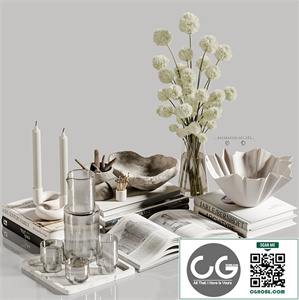
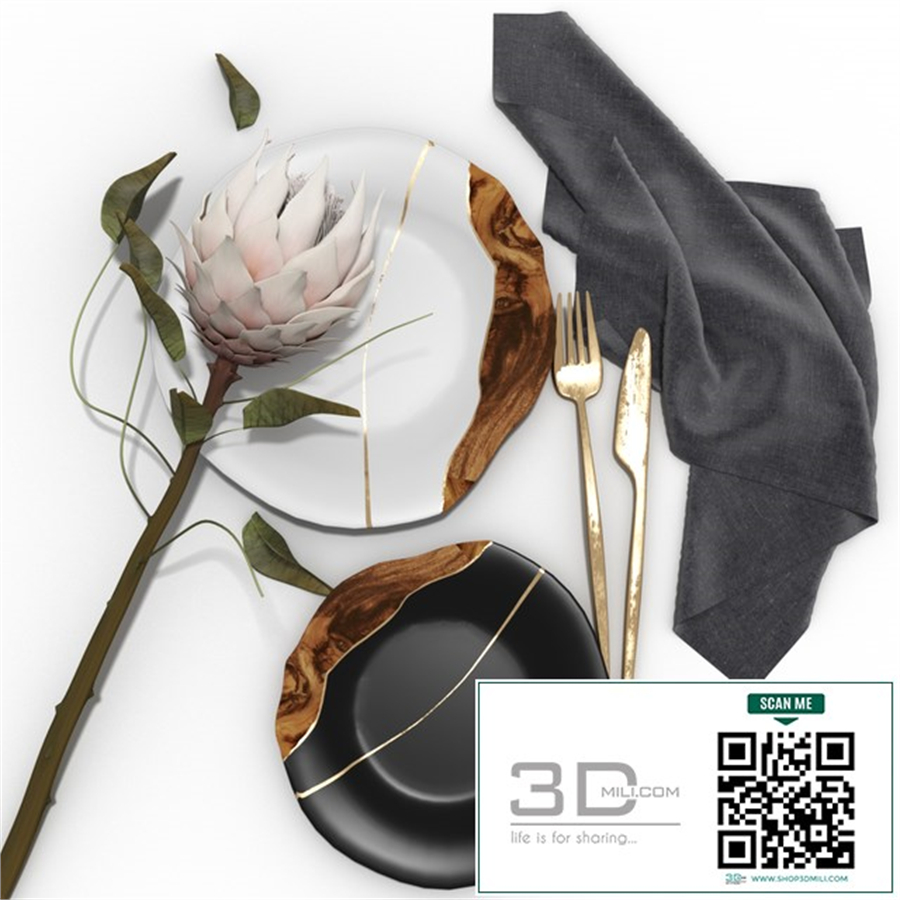
The *Protea*, a flower native to South Africa, is a striking choice to complement the *wabi-sabi* aesthetic. Its unusual and often asymmetrical form perfectly embodies the *imperfect beauty* celebrated by *wabi-sabi*. The Protea's unique blossoms, with their layered petals and vibrant colors, defy conventional notions of floral symmetry. They are often described as *wild*, *exuberant*, and *dramatic*, qualities that contrast yet beautifully harmonize with the *subtlety* and *restraint* of *wabi-sabi*.
The inclusion of Protea in the design serves several purposes. First, it adds a *pop of color* and *visual interest* that contrasts with the muted tones of the plates, creating a visually engaging dynamic. Second, the *Protea’s symbolic meaning* resonates with the design philosophy. The flower's resilience and ability to thrive in challenging environments mirrors the spirit of *wabi-sabi*, which embraces the transient and imperfect aspects of life. Finally, the *Protea's diverse range of colors and forms* offers opportunities for creative expression and variation within the plate set.
Part 3: Material Selection and Artistic Process
The choice of materials is crucial in achieving the desired *wabi-sabi* effect. We will utilize *stoneware clay*, known for its durability and ability to hold a wide range of glazes. The clay's natural imperfections will be carefully preserved throughout the creation process, enhancing the *organic* quality of the final product.
The glazing process will be an integral part of the design's *character*. We'll employ a range of earthy glazes, including *matte* and *semi-matte* finishes, to avoid an overly polished or artificial look. The application of glaze will be slightly uneven in places, resulting in subtle variations in color and texture that accentuate the *handmade* nature of the plates. The *craquelure* effect, as previously mentioned, will be a deliberate element of the design, adding visual depth and texture.
Each plate will be individually handcrafted, ensuring no two pieces are exactly alike. The *hand-thrown* nature of the plates will be evident in their subtle variations in shape and size, adding to their unique personality. The *Protea flower*, both in its real form (perhaps incorporated subtly into the design) and its stylized representation, will be carefully rendered onto the plates, adding a touch of vibrant color and organic form against the earth-toned background. The techniques used to depict the Protea will reflect a balance between precise botanical rendering and an *impressionistic* approach that aligns with the *wabi-sabi* spirit.
Part 4: The Overall Impact and Intended Experience
This decorative set of *wabi-sabi* plates, featuring the *Protea flower*, is intended to be more than just functional tableware. It's a curated experience, an invitation to appreciate the beauty of imperfection and the transient nature of life. The plates' subtle variations and unique character will encourage mindful engagement, prompting a slower, more deliberate approach to eating and enjoying the company of others.
The *combination of rustic textures and vibrant floral motifs* creates a captivating visual harmony. The muted earth tones of the plates provide a tranquil backdrop for the *Protea's bold presence*, creating a sense of balance and serenity. The overall effect is intended to be both *inviting and contemplative*, transforming the everyday dining experience into a mindful occasion.
The set is designed to be *versatile* enough to suit a range of interior styles, from minimalist and modern to rustic and eclectic. It is intended to be a piece of art that can be displayed even when not in use, adding a touch of *natural elegance* to any space. The *handcrafted nature* of each piece emphasizes its uniqueness and value, turning it into a cherished possession that tells a story of artistry and imperfection. This isn't just about owning plates; it's about owning a piece of *wabi-sabi* philosophy, a reminder to appreciate the beauty that surrounds us, in all its imperfect glory.