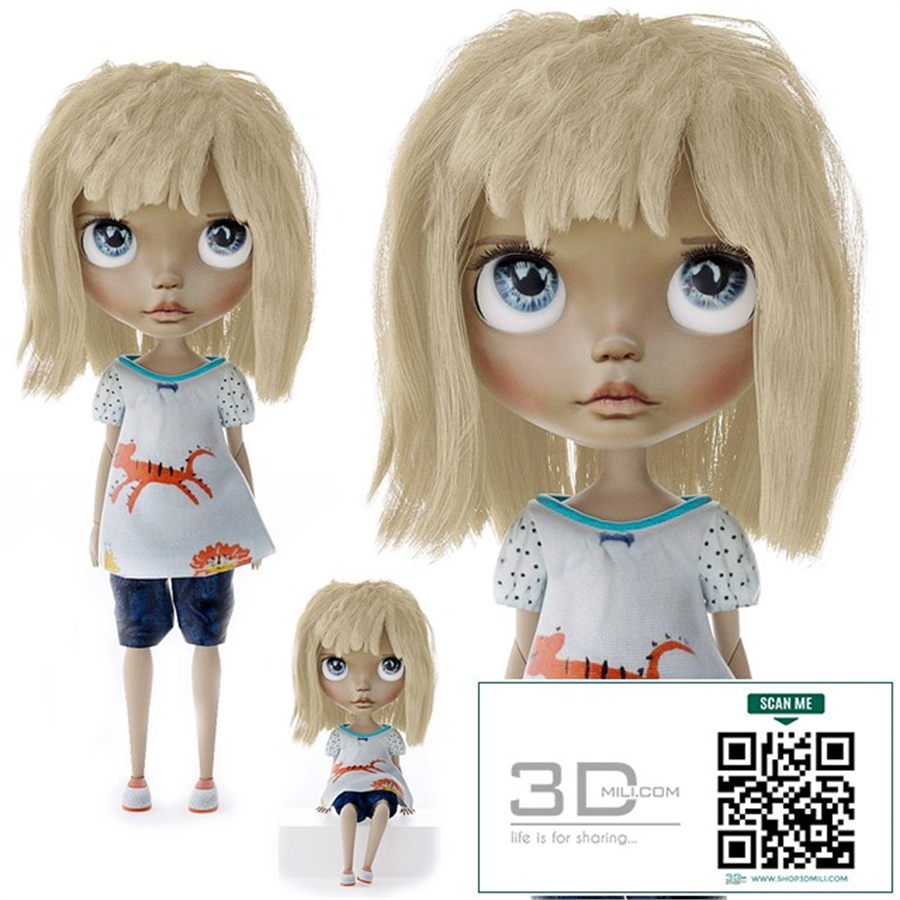
## The Enduring Allure of the *Doll*: A Multifaceted Exploration
The *doll*, a seemingly simple object, holds a surprisingly complex and multifaceted place in human history and culture. From ancient artifacts to modern-day collectibles, the *doll* has served as a reflection of societal values, a vehicle for storytelling, and a cherished companion across generations. This exploration delves into the diverse world of *dolls*, examining their historical significance, their role in child development, their transformation into powerful artistic mediums, and their enduring appeal in a constantly evolving world.
Part 1: Dolls Through the Ages – A Historical Perspective
The origins of the *doll* are shrouded in the mists of time. While pinpointing the very first *doll* is impossible, evidence suggests that rudimentary *doll*-like objects existed thousands of years ago. Archaeological digs have unearthed simple figures carved from wood, bone, or clay, dating back to prehistoric times. These early *dolls* were likely not intended as toys in the modern sense, but rather served ritualistic or symbolic purposes. For example, some scholars believe that certain ancient *dolls* were used in fertility rites or as offerings to deities. Their simple forms, often lacking intricate details, speak to the fundamental human impulse to create representations of the human form.
The ancient civilizations of Egypt, Greece, and Rome all produced *dolls*, albeit with varying degrees of sophistication. Egyptian *dolls*, often made from wood or faience, were sometimes included in tombs as grave goods, suggesting a belief in their continued significance in the afterlife. Greek and Roman *dolls* show a greater degree of artistry, with some exhibiting intricate clothing and articulated limbs. These *dolls* provide valuable insights into the fashion and social customs of their respective eras.
The medieval period saw a shift in *doll*-making, with a greater emphasis on religious themes. Many *dolls* from this era depicted saints or biblical figures, reflecting the dominant religious influence of the time. The materials used also varied, with the introduction of materials like wax and cloth, allowing for a wider range of *doll* designs and expressions. These *dolls* served not only as children's toys but also as educational tools, helping to teach children about religious stories and moral lessons.
The rise of mass production during the Industrial Revolution had a profound impact on the *doll* industry. Suddenly, affordable *dolls* became readily available to a wider population, leading to a surge in popularity. The development of new materials, like bisque porcelain and composition, allowed for the creation of more realistic and detailed *dolls*. The advent of mass-produced *dolls* also ushered in a new era of *doll* collecting, as specific *dolls* became highly sought after by enthusiasts.
Part 2: The Developmental Role of Dolls in Childhood
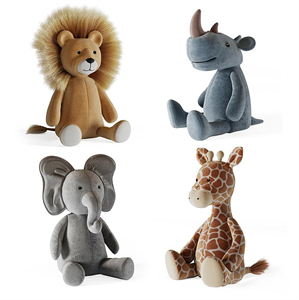
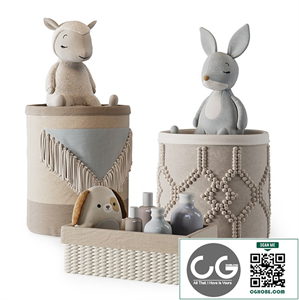
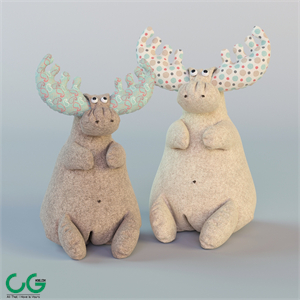
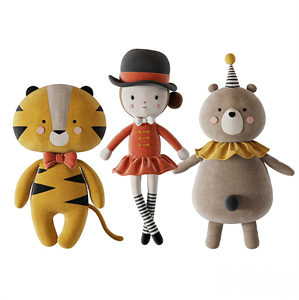
The *doll* plays a significant role in a child's development, offering a multitude of benefits across various developmental stages. For young children, a *doll* serves as a transitional object, providing comfort and security in unfamiliar or stressful situations. The *doll* becomes a confidante, a silent listener, and a source of emotional support. Through play with their *dolls*, children explore their feelings and process their experiences.
As children grow older, their interactions with *dolls* become more complex. *Dolls* are used to role-play, exploring different social situations and practicing social skills. Children may use *dolls* to simulate family dynamics, acting out scenarios involving parenting, sibling relationships, and household chores. This process allows them to experiment with different roles and develop empathy and understanding. The *doll* becomes a tool for learning about social norms and expectations.
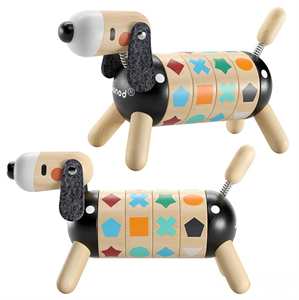
The *doll* also contributes to cognitive development. Through imaginative play, children use their *dolls* to construct narratives, create storylines, and develop their storytelling abilities. They learn to problem-solve, make decisions, and work through challenges within the context of their *doll*-based play. The *doll* becomes a catalyst for creative expression and intellectual development.
Part 3: Dolls as Art: Transforming the Ordinary into the Extraordinary
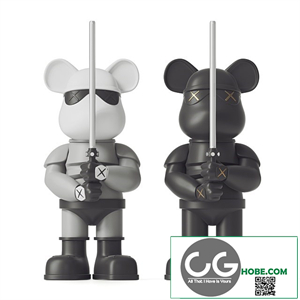
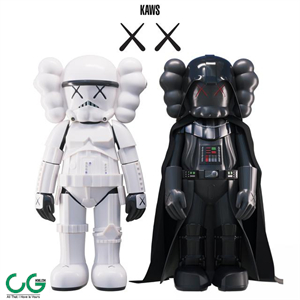
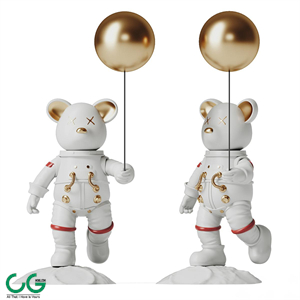
The *doll* has transcended its functional purpose, evolving into a powerful medium for artistic expression. Contemporary artists utilize *dolls* to explore a vast range of themes, from social commentary to personal narratives. The *doll*, stripped of its traditional child's toy associations, can become a vehicle for expressing complex emotions and challenging societal norms.
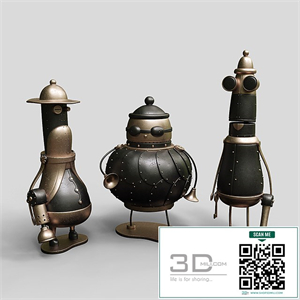
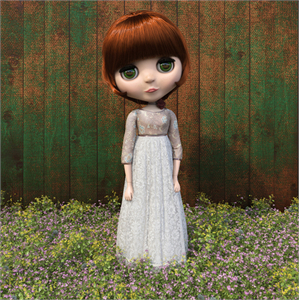
Many contemporary artists create *dolls* that are strikingly realistic, pushing the boundaries of *doll*-making techniques. These hyperrealistic *dolls* often serve as studies of the human form, capturing minute details and subtle expressions. Others employ *dolls* to create surreal or fantastical works, blurring the lines between reality and imagination. These *dolls* may incorporate unconventional materials or techniques, creating unique and arresting pieces of art.
The *doll* can also be used as a symbol in artistic works, representing concepts such as childhood innocence, societal expectations, or the passage of time. Artists often utilize the inherent ambiguity of the *doll* to create works that provoke thought and inspire discussion. By manipulating the appearance and context of the *doll*, artists can convey profound messages and challenge viewers' perceptions.
Part 4: The Collector's World: The Enduring Appeal of Dolls
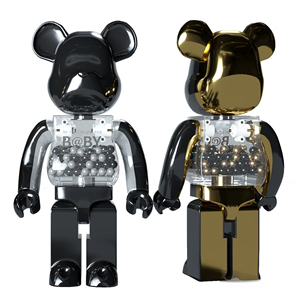
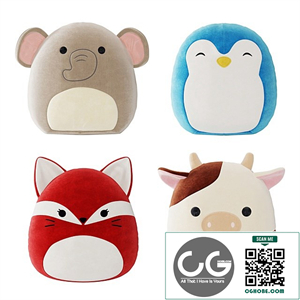
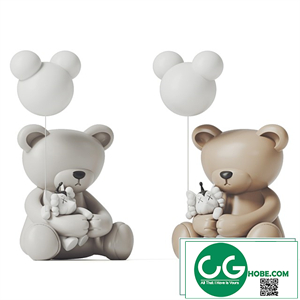
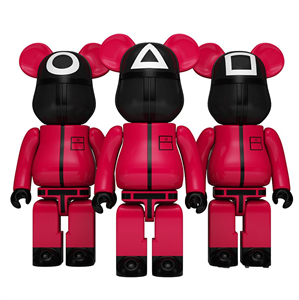
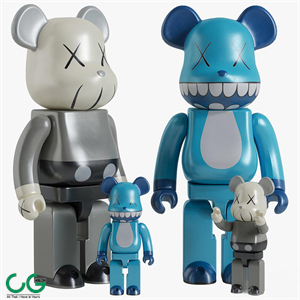
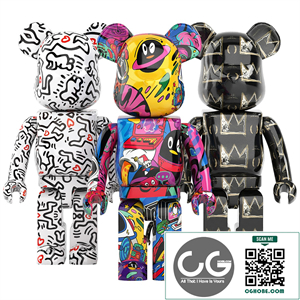
The collecting of *dolls* has become a passionate pursuit for many, transforming a childhood toy into a valuable and sought-after commodity. The *doll* collecting community is diverse, with collectors specializing in specific eras, manufacturers, or types of *dolls*. Some collectors focus on antique *dolls*, seeking out rare and historically significant examples. Others are drawn to specific *doll* lines, building extensive collections of a particular brand or series. The appeal of *doll* collecting lies not only in the aesthetic value of the *dolls* but also in the historical and cultural context they represent.
The value of *dolls* can vary drastically, depending on their rarity, condition, and historical significance. Some antique *dolls* can command extremely high prices, particularly those made by renowned *doll* makers or those possessing exceptional craftsmanship. The process of researching, acquiring, and preserving *dolls* becomes a journey of discovery, allowing collectors to learn about the history and artistry of *doll*-making. The *doll* collecting community is also rich with social interactions, as collectors share information, connect with others, and participate in events dedicated to their shared passion.
The enduring appeal of the *doll* is a testament to its versatility and its power to evoke emotion and spark imagination. From its humble origins as a simple representation of the human form, the *doll* has evolved into a multifaceted cultural artifact, reflecting societal shifts, inspiring artistic creation, and providing endless opportunities for play and imaginative exploration. The *doll* remains a timeless object, capable of holding profound meaning for individuals and society as a whole, transcending generations and captivating hearts across cultures and times.