## The Enduring Legacy of *Donald Duck*: A Deep Dive into Design
Donald Duck, a seemingly simple cartoon character, represents a fascinating case study in design, encompassing visual design, character design, narrative design, and even the design of cultural impact. His enduring popularity over nearly a century speaks volumes about the effectiveness of his creation and the consistent evolution of his image. This exploration will delve into the various aspects of Donald Duck's design, analyzing his enduring appeal and the ingenious strategies employed to maintain his relevance across generations.
Part 1: The Genesis of a Grumpy Icon – Visual and Character Design
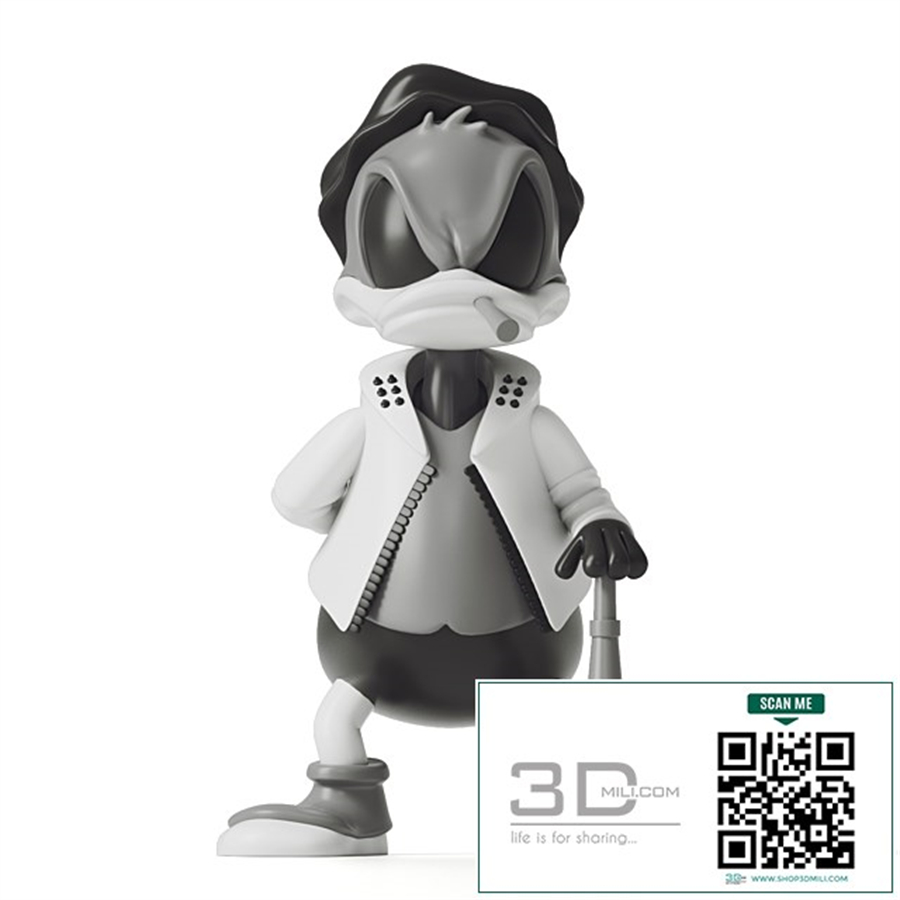
The initial design of Donald Duck, conceived by Walt Disney and his team in the early 1930s, was a stroke of genius. His visual elements weren't accidental; they were carefully crafted to evoke specific emotions and characteristics. His distinctive *three-toned sailor suit* – a simple yet effective design choice – instantly established his personality. The *vibrant blue*, *white*, and *red* were bold and memorable, creating a visually striking image that cut through the monochrome landscape of early animation. The choice to make him a *duck*, with its inherent comical physicality, further amplified his potential for slapstick humour.
The *design of his face* is equally crucial. His *expressive eyes*, *wide beak*, and *slightly uneven features* contribute to his perpetually grumpy yet endearing demeanor. Unlike Mickey Mouse's perfectly round features, Donald's imperfections make him relatable and even sympathetic. His *angry squawks* and *comical temper tantrums* solidified his image as a perpetually frustrated yet ultimately lovable character. The *design of his voice*, a distinctive high-pitched quacking, perfectly complemented his visual design, adding another layer to his unique persona. The carefully chosen *voice actor*, Clarence Nash, further cemented Donald's iconic soundscape.
Part 2: Narrative Design and Personality Development – Beyond the Grumpy Exterior
While his initial design emphasized his *grumpiness*, the narrative design surrounding Donald Duck allowed for significant personality development. He wasn't merely a one-note character; his stories explored themes of *frustration*, *rivalry*, *love*, and *family*, adding depth to his persona. The creative team at Disney cleverly used his *short temper* not as a limiting factor, but as a springboard for creating comedic situations and exploring emotional complexities.
His relationships with other characters, particularly *Mickey Mouse*, *Daisy Duck*, and his *nephews Huey, Dewey, and Louie*, played a pivotal role in shaping his personality and creating engaging narratives. His dynamic with Mickey, often characterized by their *friendly rivalry* and occasional *bickering*, showcases Donald’s capacity for loyalty and camaraderie. His relationship with Daisy, on the other hand, displayed his *romantic side*, often showcasing his clumsy attempts at courtship, fueling comedic mishaps along the way. His interaction with his nephews added a layer of *unconventional parenting*, emphasizing his *protective* and *ultimately loving* nature despite his frequent outbursts.
Part 3: Evolution and Adaptation – Maintaining Relevance Through Time
The *design of Donald Duck* hasn't remained static. Over the years, his visual representation has subtly evolved to maintain his appeal to successive generations. While the core elements of his design – the *sailor suit*, the *characteristic features*, and the *grumpy demeanor* – have remained consistent, subtle adjustments have been made to keep him visually contemporary. The *animation style* has shifted with the times, transitioning from the more limited animation of the early cartoons to the more sophisticated techniques of modern animation.
His narratives, too, have undergone evolution. The *themes* explored in his stories have mirrored changing societal values and expectations. While his classic stories emphasized slapstick comedy and simple plots, more recent iterations have integrated more complex storylines and explored more nuanced emotions. This adaptability is a testament to the *versatile design* of the character, allowing him to remain relevant even as animation techniques and audience tastes changed.
Part 4: Cultural Impact and Enduring Appeal – A Global Phenomenon
Donald Duck is more than just a cartoon character; he's a *global cultural icon*. His image and personality have resonated with audiences worldwide, transcending geographical and cultural boundaries. This widespread appeal stems from the universal themes he embodies – *frustration*, *love*, *family*, and *the struggle against adversity*. His relatability, even with his exaggerated traits, strikes a chord with people of all ages and backgrounds.
His impact extends beyond entertainment. Donald Duck has appeared in countless *merchandise*, *comics*, and *video games*, cementing his position as a lasting symbol of Disney and a significant part of *popular culture*. He has inspired countless artists, animators, and writers, his image becoming deeply ingrained in the collective consciousness. The *design's success* lies in its ability to be both instantly recognizable and endlessly interpretable. His *grumpy personality* isn't necessarily negative; it's simply human, allowing audiences to connect with his struggles and imperfections.
Part 5: The Legacy of Design – Lessons from Donald Duck
The study of Donald Duck's design offers valuable lessons for contemporary creators. His enduring popularity highlights the importance of:
* Strong visual identity: A memorable visual design is crucial for creating a lasting impression. Donald's simple yet striking appearance is instantly recognizable.
* Multifaceted character development: A one-dimensional character will quickly grow stale. Donald's complex personality, including his flaws and vulnerabilities, adds depth and relatability.
* Adaptability and evolution: Maintaining relevance requires a willingness to evolve and adapt to changing times. Donald's design and storylines have evolved, yet his essence has remained consistent.
* Universal themes: Connecting with audiences requires exploring universal themes that resonate across cultures and generations. Donald's struggles with everyday life are relatable to everyone.
* Effective storytelling: Compelling narratives are crucial for maintaining audience engagement. Donald's stories, while often comedic, have always had a heart.
In conclusion, the *design of Donald Duck* is a masterpiece of character creation and narrative design. His enduring popularity reflects the power of a well-crafted visual identity, a relatable personality, and a consistent evolution that has kept him relevant for almost a century. His legacy serves as a valuable guide for future generations of animators and designers, emphasizing the enduring power of a carefully considered, and consistently refined, design. The *grin*, the *squawk*, the *temper tantrum* – these are all part of a larger picture, one that has firmly cemented Donald Duck as a timeless icon.