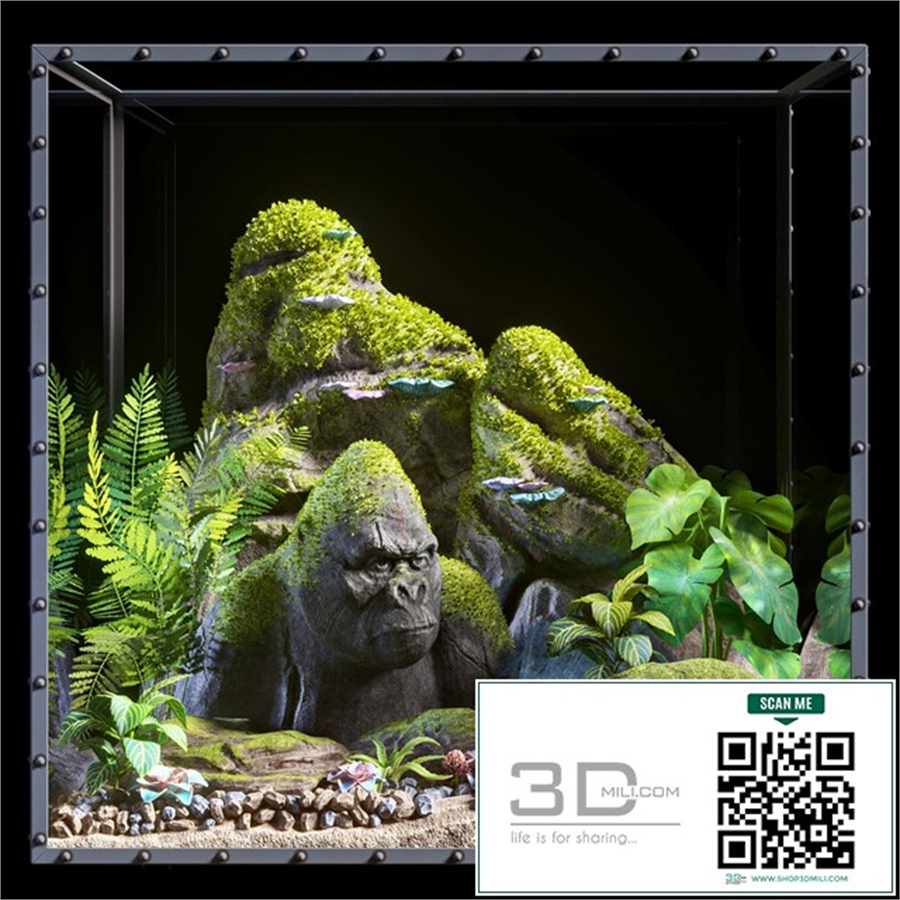
## The Enchanting World of Florariums: A Deep Dive into Miniature Ecosystems
The *florarium*, a word that evokes images of lush miniature landscapes contained within glass, is more than just a pretty decoration. It's a captivating microcosm of nature, a testament to the delicate balance of ecosystems, and a rewarding creative outlet. This exploration delves into the fascinating world of florariums, covering everything from their history and design principles to the practicalities of creation and maintenance.
Part 1: A History Rooted in Curiosity and Science
The concept of cultivating plants under glass isn't new. While the modern *florarium* trend enjoys a surge in popularity, its roots stretch back centuries. Early forms emerged from the Victorian era's obsession with *Wardian cases*. These sealed glass containers, invented by Dr. Nathaniel Bagshaw Ward in the 1800s, revolutionized the transportation of delicate plants across vast distances. By creating a self-sustaining microclimate within the case, Ward successfully shipped *ferns* and other plants to colonies around the globe, proving the viability of *closed ecosystem* technology. These early Wardian cases, often elaborate and ornate, laid the foundation for the aesthetically pleasing and scientifically intriguing *florariums* we know today.
The subsequent development of *terrarium* design, closely related to *florariums*, further fueled the interest in miniature ecosystems. These glass containers, often housing desert plants, showcased the beauty of *succulents* and *cacti* in a controlled environment. The difference between a *terrarium* and a *florarium* is subtle but significant; *terrarium* generally refers to drier environments, while *florarium* typically emphasizes higher humidity and tropical or subtropical plants. However, the line is often blurred, and many use the terms interchangeably.
Part 2: Design Principles: Crafting a Thriving Miniature World
Creating a successful *florarium* requires careful consideration of several key design elements. The *vessel selection* is crucial, as the shape, size, and material of the container will directly influence the *microclimate* within. A wide-mouthed jar allows for easier planting and maintenance, while a tall, slender vase might suit *trailing plants*. *Glass* is the most popular material due to its transparency, which allows light penetration and facilitates observation of the plants' growth. However, *recycled containers* offer a unique and sustainable alternative.
The *plant selection* is arguably the most important aspect. Choosing plants with similar *light* and *moisture* requirements is essential to create a harmonious and thriving ecosystem. Researching the specific needs of each plant before planting is vital to prevent one species from outcompeting another. Consider incorporating a variety of textures, colors, and sizes for visual appeal. Popular choices include *air plants*, *orchids*, *ferns*, *mosses*, and small *succulents*. Careful consideration of the *plant height and growth habit* is essential to avoid overcrowding and maintain aesthetic balance.
Furthermore, the *substrate* plays a significant role. A well-draining *soil mix* is necessary to prevent waterlogging, which can lead to root rot. Adding *charcoal* to the substrate can help improve drainage and filter impurities. The *addition of decorative elements*, such as pebbles, stones, and driftwood, can enhance the aesthetic appeal and create visual depth. However, avoid overcrowding the container with excessive decor.
Part 3: Construction and Maintenance: Nurturing Your Miniature Ecosystem
Constructing a *florarium* is a satisfying process. Begin by thoroughly cleaning your chosen *vessel*. Then, add a layer of drainage material, such as *gravel* or *charcoal*, followed by a layer of *activated carbon* to filter the water. Next, add the *substrate* and gently plant your chosen specimens. Arrange the plants aesthetically, considering their mature sizes and growth habits. Finally, add any decorative elements.
Maintaining a thriving *florarium* requires regular attention. The *watering frequency* will depend on several factors including the size of the container, the type of plants, and the environmental conditions. Overwatering is a common mistake that can lead to root rot. It’s crucial to observe the *moisture levels* within the container and water only when the top layer of the substrate feels dry. Avoid directly spraying water onto the leaves of delicate plants to prevent fungal diseases.
*Light* requirements vary greatly depending on the plant selection. A *bright, indirect light source* is usually ideal. Avoid placing the *florarium* in direct sunlight, which can overheat the container and scorch the plants. Regular observation is critical to detect any signs of problems, such as wilting, yellowing leaves, or pest infestations. Taking preventative measures and promptly addressing any issues is vital to ensure the long-term health of your miniature ecosystem. Cleaning the *glass* periodically can also help maintain the aesthetic appeal and prevent dust buildup.
Part 4: Beyond the Basics: Exploring Creative Variations and Advanced Techniques
While basic *florarium* design is relatively straightforward, the possibilities for creativity and innovation are boundless. Experimenting with different *container types* and materials opens up a world of unique designs. Utilizing *recycled materials*, such as old bottles or jars, adds a sustainable and personal touch. Incorporating *diverse plant species* and creating themed landscapes, such as miniature forests or desert scenes, can result in stunning and unique *florariums*.
Advanced techniques involve creating more complex *microclimates*. This might involve utilizing different *substrate mixes* tailored to specific plant needs or implementing *humidity control mechanisms*, such as incorporating a small humidifier within the container. Experimenting with different *lighting setups*, such as using specialized grow lights, can help to optimize the growth of light-demanding plants. These advanced techniques allow for the creation of highly specialized and aesthetically impressive *florariums*. The development of *self-sustaining ecosystems* within larger containers also presents a fascinating area for exploration.
Part 5: The Enduring Appeal: More Than Just a Plant Display
The *florarium* transcends its status as a mere decorative item. It embodies a sense of tranquility and connection with nature, offering a calming escape from the everyday hustle. It represents a *sustainable* and aesthetically pleasing way to enjoy indoor gardening, fostering a sense of accomplishment and nurturing skills. Moreover, *florariums* present a unique opportunity to learn about *ecosystems* and ecological principles in a manageable and engaging setting. The meticulous care and attention required cultivate patience and observation skills.
The growing popularity of *florariums* reflects a broader societal shift towards appreciating nature and embracing sustainable practices. It's a trend that fosters creativity, encourages mindful engagement, and provides a captivating window into the miniature world of plants. Whether a simple, elegant arrangement or a complex, flourishing ecosystem, the *florarium* continues to enchant and inspire, serving as a testament to the beauty and wonder of the natural world. The *florarium*, therefore, is not just a decorative piece, but a living, breathing artwork and a testament to the power of miniature nature.