## The Enduring Allure and Evolving Ethics of Fur Coats: A Deep Dive into Design, History, and Modern Considerations
Fur coats. The very phrase evokes a range of reactions, from visions of opulent glamour and timeless elegance to images of animal cruelty and environmental concerns. This multifaceted symbol, steeped in history and now embroiled in ethical debate, deserves a thorough examination. This exploration will delve into the _design_, the _history_, and the undeniably complex _ethics_ surrounding fur coats, ultimately aiming to present a balanced perspective on this enduring garment.
Part 1: A History Woven in Fur – Tracing the Origins of Fur Coats
The use of fur for clothing is arguably as old as humanity itself. Long before the invention of sophisticated textiles, animal pelts provided essential protection from the elements. Early humans relied on the _insulating properties_ of fur for survival, a practical necessity that evolved into a symbol of status and social standing. Evidence suggests that fur garments were prevalent in various cultures across the globe, with different animals preferred based on local availability and cultural significance.
In many _ancient civilizations_, fur held deep symbolic meaning. For example, in some cultures, specific animal furs were associated with spiritual power or were reserved for royalty and religious figures. The _status symbol_ aspect of fur clothing continued through the ages, with different furs conveying varying levels of wealth and prestige. _Mink_, _sable_, _fox_, and _chinchilla_ became particularly coveted, their rarity and luxurious feel enhancing their desirability.
The Middle Ages and the Renaissance witnessed the continued use of fur, often incorporated into elaborate garments worn by the nobility. The development of _furrier techniques_ allowed for greater creativity in design, with furs being expertly sewn, dyed, and combined to create stunning pieces of outerwear. The _fashionability_ of fur grew, cemented by its association with power and luxury.
The 18th and 19th centuries saw the rise of the fur trade, with vast quantities of pelts being shipped from around the world to satisfy growing European demand. This period, while instrumental in shaping the fashion landscape, was also marked by unsustainable hunting practices and the devastating impact on animal populations. The _exploitation_ of animals for fur became a significant ethical concern, an issue that continues to be debated to this day.
Part 2: The Design and Craftsmanship of Fur Coats – An Art Form in Itself
The creation of a fur coat is a complex and highly skilled process. Far from simply sewing pelts together, it's a sophisticated art requiring years of training and expertise. _Furriers_ are highly specialized artisans who understand the unique properties of different furs and employ intricate techniques to ensure the finished product is both beautiful and durable.
The design process begins with the careful _selection of pelts_. The quality, color, and texture of the fur are crucial considerations. Experienced furriers assess the pelts for imperfections, ensuring only the highest quality is used. _Matching_ pelts to create a seamless appearance requires immense skill and attention to detail.
Various techniques are employed to prepare the pelts for sewing. _Leathering_, a process involving the softening and stretching of the leather side of the pelt, ensures suppleness and flexibility. _Shearing_ and _plucking_ may be used to adjust the length and density of the fur. The _dyeing process_ can transform the appearance of the fur, allowing for a wide range of colors and effects.
The actual sewing of the fur coat requires extreme precision. _Seams_ need to be virtually invisible, ensuring a smooth, elegant finish. _Pattern making_ is critical, with experienced designers creating unique silhouettes and styles to enhance the wearer's figure. The complexity of design varies greatly, from simpler, more classic styles to intricate designs featuring elaborate embellishments and detailed stitching. Each piece becomes a testament to the _craftsmanship_ involved.
Part 3: The Ethical Quandary – Navigating the Moral Complexities of the Fur Industry
The enduring appeal of fur coats is undeniable, but it comes at a significant ethical cost. The fur industry has long been criticized for its inhumane treatment of animals. _Factory farming_ practices, often involving cramped and unsanitary conditions, have been widely documented. The methods of killing animals, whether through gassing, electrocution, or trapping, raise significant concerns regarding animal welfare.
The environmental impact of the fur industry is also a cause for concern. The production of some furs, particularly those from rare or endangered species, contributes to _biodiversity loss_. The environmental footprint of fur farming, including the use of resources like water and land, and the generation of waste, is also a major consideration. _Sustainability_ is a growing concern for many consumers, adding another layer to the ethical dilemma.
The rise of _fur-free fashion_ represents a powerful shift in consumer attitudes. Many designers and retailers have pledged to stop using fur in their products, responding to growing public awareness and pressure from animal rights activists. The development of _innovative alternatives_, including faux fur and other sustainable fabrics, offers more ethical and environmentally responsible choices for consumers seeking the luxurious look and feel of fur without the ethical compromises.
The debate surrounding fur is far from settled. Advocates for the fur industry argue that it provides employment and that animals are raised for their fur, much like livestock are raised for meat. They also point to strict regulations aimed at improving animal welfare and reducing environmental impacts in some regions. However, many consumers remain unconvinced, opting for cruelty-free alternatives. The future of the fur industry hinges on how effectively it addresses the serious ethical concerns that plague its practices.
Part 4: Fur Coats in the Modern Landscape – Design Evolution and Consumer Choices
Despite the ethical concerns, fur coats remain a part of the fashion landscape, though their presence has undoubtedly shifted. _Modern designers_ are increasingly exploring innovative ways to incorporate fur into their collections in a more responsible and sustainable manner. This might involve using reclaimed or recycled fur, focusing on ethically sourced furs from animals that have died naturally, or using smaller amounts of fur as accents rather than creating entire garments. The focus is shifting towards _responsible luxury_.
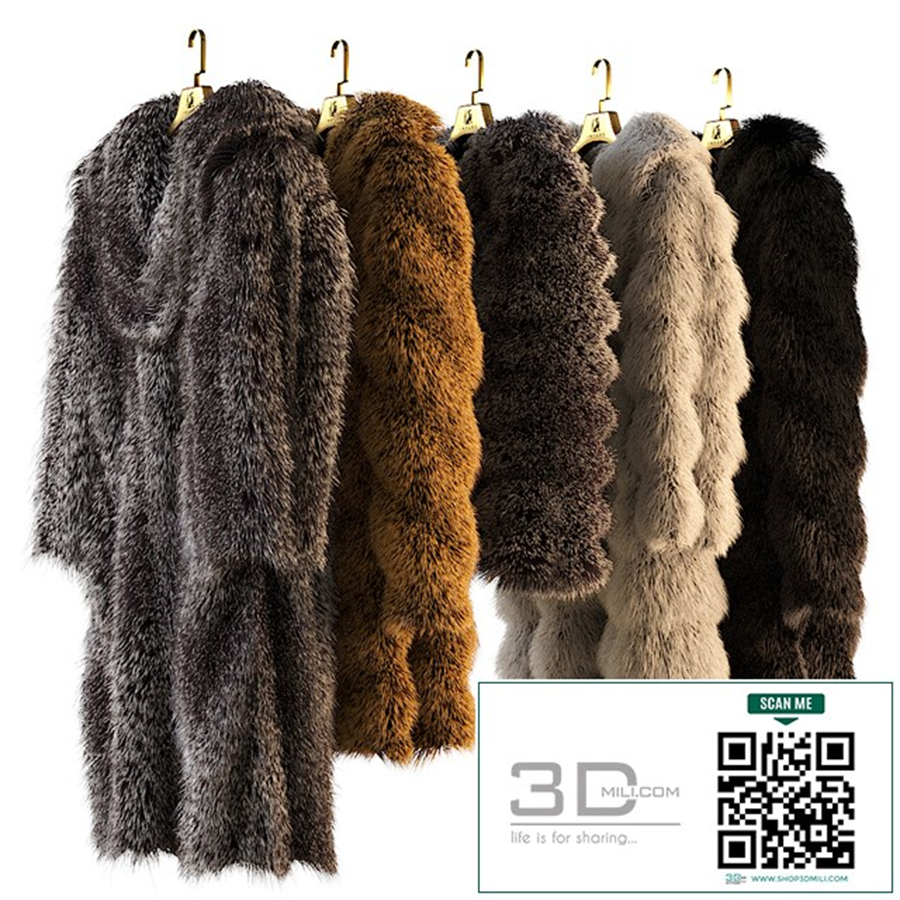
The rise of _faux fur_ has provided a compelling alternative. Technological advancements have resulted in incredibly realistic imitations that can be difficult to distinguish from real fur. These fabrics often offer greater _versatility_ and _affordability_, making them accessible to a wider consumer base. Faux fur also addresses the ethical concerns surrounding animal welfare and environmental impact.
The future of the fur coat hinges on the choices of consumers. As awareness of ethical and environmental concerns increases, consumers are increasingly demanding transparency and accountability from the fashion industry. The trend towards sustainable and ethical fashion is driving a significant shift in consumer preferences, influencing the design, production, and overall future of fur coats. This transition necessitates a careful consideration of ethical sourcing, sustainable practices, and transparent supply chains, with a focus on providing consumers with informed choices that align with their values.
In conclusion, fur coats represent a complex tapestry of history, design, and ethical considerations. Understanding the intricate craftsmanship involved in their creation alongside the critical ethical challenges related to animal welfare and environmental impact is crucial for navigating the complex terrain surrounding this enduring garment. The future of the fur coat, therefore, rests not just on its continued design evolution, but on the responsible and transparent choices made by both the industry and the consumer.