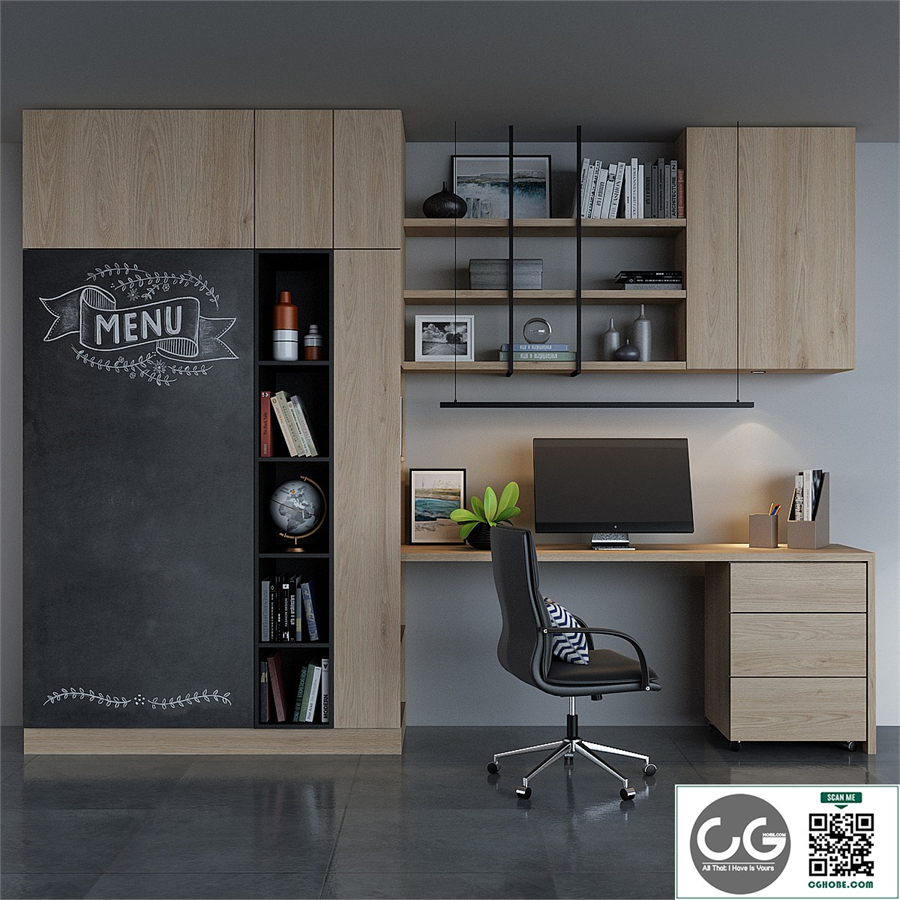
## The Enduring Allure of *Furniture*: A Deep Dive into Design, Function, and Experience
Furniture, more than just functional objects, shapes our lives. From the moment we wake in our beds to the last moments spent relaxing on our sofas, *furniture* plays a pivotal role in defining our spaces and influencing our moods. This exploration will delve into the multifaceted world of *furniture*, examining its evolution, the design principles that govern its creation, and the profound impact it has on our daily experiences.
Part 1: A Historical Perspective on Furniture Design
The history of *furniture* is a rich tapestry woven from diverse cultures, materials, and evolving aesthetics. Early examples, often crafted from rudimentary materials like wood and stone, served primarily utilitarian purposes. Ancient Egyptian *furniture*, for example, was characterized by its simplicity and functionality, focusing on practicality over elaborate ornamentation. The Egyptians mastered the art of *joinery*, creating sturdy pieces that withstood the test of time. Later, the Greeks and Romans adopted more refined techniques, incorporating decorative elements and a greater emphasis on comfort. The *Roman chair*, a precursor to many modern chair designs, exemplifies this shift.
The *Medieval* period saw a resurgence of simpler, often heavily ornamented *furniture*. The use of intricate carvings and religious iconography was prevalent, reflecting the dominant cultural and spiritual influences of the time. The *Gothic* style, with its pointed arches and vertical lines, influenced *furniture* design, leading to tall, imposing pieces. This era also saw the rise of the *chest*, an essential piece of *furniture* used for storage.
The *Renaissance* marked a turning point, witnessing a revival of classical forms and a renewed appreciation for craftsmanship. The emphasis shifted from religious iconography to humanist ideals, reflected in the elegant lines and graceful proportions of Renaissance *furniture*. Master craftsmen, using techniques passed down through generations, created ornate pieces for the wealthy elite. The introduction of new materials, such as *walnut* and *ebony*, further enhanced the aesthetic appeal of *furniture* during this era.
The *Baroque* and *Rococo* periods were characterized by opulence and extravagance. Ornate carvings, gilded finishes, and intricate detailing defined these styles. Curved lines, asymmetrical designs, and the use of luxurious fabrics like velvet and silk were hallmarks of this era's *furniture*. The *Louis XIV style*, a prime example of Baroque opulence, heavily influenced European *furniture* design for decades.
The *18th* and *19th centuries* saw a range of styles emerge, including the *Neoclassical*, which harkened back to classical Greek and Roman forms, and the *Victorian*, characterized by its eclectic mix of styles and ornate decorations. The rise of industrialization led to the mass production of *furniture*, making it more accessible to a wider population, though often at the expense of handcrafted quality.
Part 2: Principles of Furniture Design: Form, Function, and Aesthetics
Effective *furniture* design transcends mere aesthetics; it's a delicate balance of form, function, and aesthetic appeal. The *form* of a piece refers to its overall shape and structure. A well-designed chair, for instance, should provide adequate support and comfort while maintaining an aesthetically pleasing silhouette. The *function* of a piece is its intended use. A dining table's function is to provide a surface for eating, while a bookcase's function is to store books. The *aesthetics* encompasses the visual aspects of the piece, including its color, texture, materials, and overall style.
Several key design principles guide the creation of successful *furniture*:
* Ergonomics: This focuses on the relationship between the human body and the *furniture* it interacts with. A well-designed chair, for example, will support the natural curvature of the spine, promoting comfort and preventing fatigue.
* Proportion and Scale: This involves the careful consideration of the size and relative dimensions of a piece in relation to its surroundings and the people who will use it. A large, imposing sofa might overwhelm a small living room, while a tiny coffee table might look lost in a spacious one.
* Balance and Symmetry: These principles contribute to the visual harmony of a piece. Symmetrical designs tend to feel more formal and balanced, while asymmetrical designs can be more dynamic and visually interesting.
* Material Selection: The choice of materials significantly impacts the aesthetic appeal, durability, and functionality of a piece. Hardwoods like *oak* and *maple* are durable and aesthetically pleasing, while softer woods like *pine* are more affordable but less durable. Materials such as *metal*, *glass*, and *plastic* offer unique aesthetic and functional qualities.
* Craftsmanship: The quality of the craftsmanship significantly impacts the overall quality and longevity of a piece of *furniture*. Well-crafted *furniture* exhibits meticulous attention to detail, precise joinery, and a high level of finish.
Part 3: The Impact of Furniture on Our Lives
*Furniture* is more than just objects; it shapes our living spaces and influences our experiences in profound ways. The *furniture* we choose reflects our personal style, our values, and our lifestyle. A minimalist living room, for instance, might suggest a preference for simplicity and clean lines, while a room filled with ornate antiques could suggest a love for history and tradition.
The arrangement of *furniture* also significantly impacts the flow and functionality of a space. A well-planned layout can maximize space and create a sense of flow, while a poorly planned layout can lead to clutter and discomfort.
Beyond the practical aspects, *furniture* plays a crucial role in shaping our emotional well-being. Comfortable and inviting *furniture* can create a sense of warmth and relaxation, while poorly designed or uncomfortable *furniture* can lead to frustration and discomfort. The choice of colors, textures, and materials can also influence our mood and affect our overall experience in a space.
The selection and arrangement of *furniture* are integral to creating a space that reflects our personality and supports our lifestyle. The right *furniture* can transform a house into a home, a place of comfort, relaxation, and joy. Investing in high-quality, well-designed *furniture* is an investment in our overall well-being.
Part 4: The Future of Furniture Design
The future of *furniture* design is likely to be shaped by several key trends:
* Sustainability: There's a growing emphasis on using sustainable materials and manufacturing processes to minimize the environmental impact of *furniture* production. Recycled materials, sustainably sourced wood, and eco-friendly finishes are becoming increasingly popular.
* Technology Integration: Smart *furniture* incorporating technology such as Bluetooth connectivity, integrated lighting, and adjustable features is emerging, promising a more personalized and interactive experience.
* Modular and Multifunctional Design: The need for flexible and adaptable spaces is driving the development of modular and multifunctional *furniture* that can be easily reconfigured to suit changing needs and lifestyles.
* Customization and Personalization: Consumers are increasingly seeking personalized *furniture* that reflects their individual style and preferences. Custom design services and made-to-order options are gaining popularity.
* Focus on Wellness: The focus on well-being is influencing *furniture* design, with an increased emphasis on ergonomics, comfort, and the use of materials that promote health and well-being.
In conclusion, the world of *furniture* is a vast and ever-evolving field, encompassing history, art, design, and technology. By understanding the principles of *furniture* design and appreciating its historical context, we can make informed choices that transform our living spaces into environments that are both functional and aesthetically pleasing, contributing to our overall well-being and quality of life. The enduring appeal of *furniture* lies in its ability to shape our environments and enrich our daily experiences, making it an integral part of the human story.