## The Enduring Appeal of *Green Benches*: A Deep Dive into Design, Functionality, and Sustainability
Green benches, seemingly simple objects, hold a significant place in our urban and natural landscapes. They are more than just places to sit; they are vital components of public spaces, offering respite, fostering social interaction, and contributing to the overall aesthetic and wellbeing of a community. This exploration delves into the multifaceted world of green benches, examining their design evolution, functional considerations, sustainable material choices, and their impact on the environment and human experience.
### Part 1: A History of *Restful Design* – From Humble Beginnings to Modern Innovations
The concept of a bench is ancient, with rudimentary forms existing for centuries. However, the development of the *green bench*, specifically designed with both functionality and environmental consciousness in mind, is a more recent phenomenon. Early examples often focused primarily on functionality, utilizing readily available materials like wood or stone. These early iterations, while providing a place to rest, lacked the aesthetic refinement and sustainable considerations we associate with modern *green bench* designs.
The late 20th and early 21st centuries saw a significant shift in *bench design*. The rise of environmental awareness spurred designers and manufacturers to prioritize *sustainable materials* and environmentally friendly production processes. This resulted in the emergence of *green benches* crafted from recycled materials, sustainably sourced wood, and innovative composites. The focus broadened beyond mere utility to encompass *aesthetic integration* within the surrounding environment.
The design evolution also witnessed a move towards greater *ergonomics* and *accessibility*. Modern *green benches* are often designed to accommodate a wider range of users, including those with mobility limitations. Features like curved seating, armrests, and integrated backrests enhance comfort and support. The consideration of *universal design principles* ensures inclusivity and broad appeal.
### Part 2: The Functional Landscape of *Green Benches*: More Than Just a Seat
The functionality of a *green bench* extends far beyond its primary purpose of providing a place to sit. Its design and placement significantly influence how a public space is used and experienced. Consider these key functional aspects:
* Social Interaction: *Green benches* often serve as focal points for social interaction. Their placement can encourage conversation and community building. Strategic placement in parks, squares, and along walkways can foster a sense of community and belonging. The design itself, whether it encourages solitary seating or group gatherings, plays a role in shaping social dynamics.
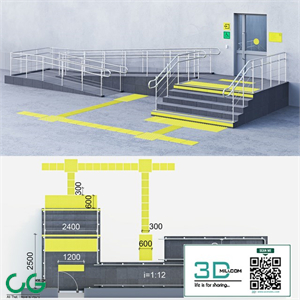
* Accessibility and Inclusivity: *Universal design principles* are paramount in ensuring that *green benches* are accessible to people of all abilities. This includes features like appropriate seating height, armrests for support, and sufficient space for wheelchairs and other mobility aids. Careful consideration of the surrounding environment, such as ensuring clear pathways and ramps, is equally important.
* Environmental Integration: The *green bench's* aesthetic integration with its surroundings is crucial. The choice of materials, color, and form should complement the natural or built environment. Designers often strive for seamless integration, allowing the *bench* to become a harmonious part of the landscape rather than a jarring intrusion.
* Durability and Maintenance: A well-designed *green bench* is durable and requires minimal maintenance. The selection of weather-resistant materials and robust construction techniques ensures longevity and minimizes the need for frequent repairs or replacements. This contributes to cost-effectiveness and environmental sustainability.
### Part 3: *Sustainable Materials* and *Eco-Conscious Production*: Building a Greener Future
The commitment to sustainability is a defining characteristic of modern *green bench* design. The choice of materials and production processes significantly impacts the environmental footprint. Consider these examples of *eco-friendly materials*:
* Recycled Plastics: *Recycled plastic lumber* is a popular choice, offering durability and weather resistance while diverting plastic waste from landfills. This material can mimic the appearance of wood, offering a versatile and sustainable alternative.
* Sustainably Sourced Wood: Wood from responsibly managed forests is a renewable resource that can be used to create attractive and durable *green benches*. Certification schemes, such as the Forest Stewardship Council (FSC), ensure that wood is sourced from forests managed according to strict environmental and social standards.
* Recycled Metal: Recycled aluminum or steel can be used to create strong and long-lasting *green bench* frames. This reduces the demand for virgin materials and minimizes environmental impact.
* Composite Materials: Innovative composite materials, often combining recycled plastics and natural fibers, offer a blend of durability, aesthetic appeal, and sustainability. These materials can be customized to meet specific design requirements and offer a range of colors and textures.
Beyond the materials themselves, *eco-conscious production* methods are essential. This includes minimizing waste during manufacturing, using energy-efficient processes, and employing sustainable packaging. The entire lifecycle of the *green bench*, from material sourcing to disposal, should be considered to ensure its minimal environmental impact.
### Part 4: The *Aesthetic Dimension* of *Green Benches*: Form, Function, and the Public Realm
The aesthetic impact of a *green bench* is often underestimated. A well-designed *bench* can enhance the visual appeal of a space, contributing to its overall atmosphere and user experience. Consider these aesthetic aspects:
* Form and Shape: The *form* and *shape* of a *green bench* can vary greatly, from simple, linear designs to more complex and sculptural forms. The choice of form should complement the surrounding architecture and landscape. Curved benches can invite a sense of relaxation and intimacy, while linear benches can create a sense of order and formality.
* Color and Texture: The *color* and *texture* of a *green bench* can greatly influence its aesthetic appeal. Natural colors and textures can blend seamlessly with the surrounding environment, while bolder colors can create a focal point or a statement piece.
* Material Selection: The *material selection* plays a crucial role in determining the aesthetic character of the bench. Wood offers a natural and warm aesthetic, while metal can provide a modern and industrial feel. The choice of material should reflect the overall design intent and the surrounding context.
* Integration with the Surroundings: A successful *green bench* design seamlessly integrates with its surroundings. This means considering the existing architecture, landscaping, and the overall character of the space. The *bench* should not feel like an intrusion but rather a harmonious addition to the environment.
### Part 5: *Green Benches* and the *Future of Public Space Design*
As urban spaces evolve and the importance of environmental sustainability increases, the role of *green benches* will only grow. Their design will continue to evolve, incorporating innovative materials, advanced technologies, and a deeper understanding of user needs and environmental impact. The following are key areas for future development:
* Smart Benches: Integration of technology, such as USB charging ports, Wi-Fi hotspots, and environmental sensors, could transform *green benches* into interactive elements within the urban landscape.
* Modular Designs: Modular designs allow for greater flexibility and customization, enabling *green benches* to adapt to diverse environments and user needs.
* Biophilic Design: Incorporating biophilic design principles, emphasizing the connection between humans and nature, will further enhance the wellbeing and experience of users.
* Circular Economy Principles: Design for disassembly and recyclability will be essential to minimize waste and promote a circular economy model for *green bench* production.
In conclusion, *green benches* are more than just simple seating; they are vital elements of well-designed public spaces, contributing to both environmental sustainability and the social and cultural life of communities. Their continued evolution, driven by innovation and a commitment to sustainability, promises a future where these humble objects play an even more significant role in shaping our urban environments.