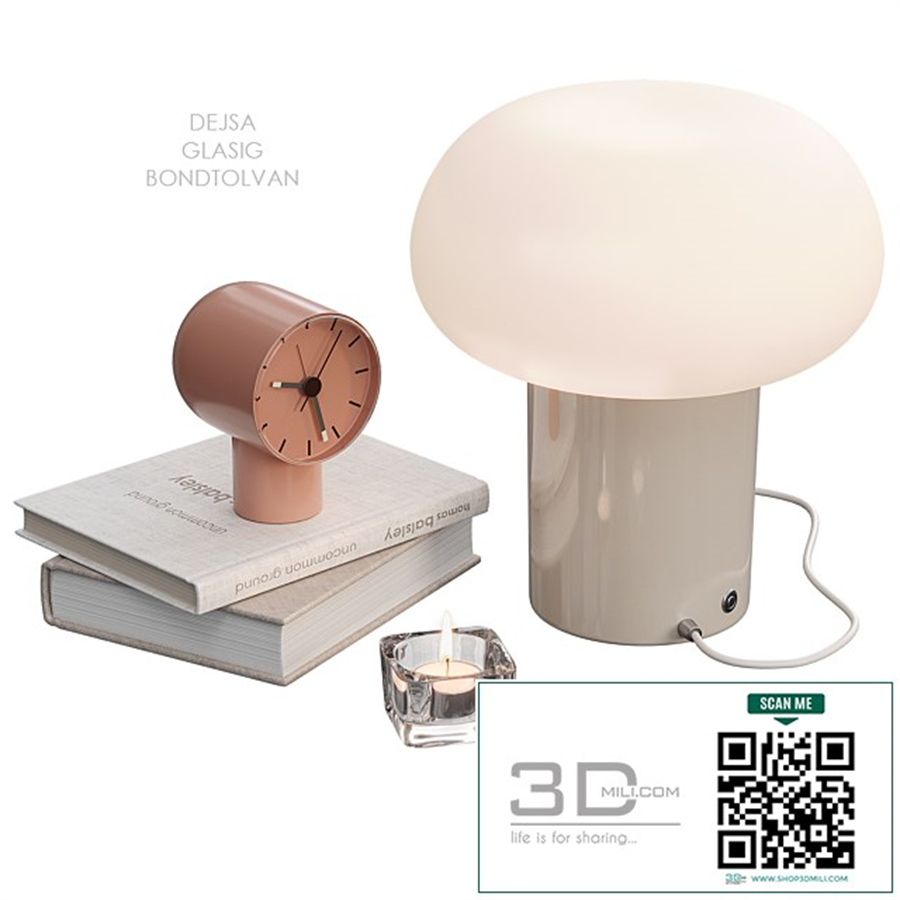
## IKEA Decorative Set: A Deep Dive into Design, Function, and Affordability
IKEA, a name synonymous with *affordable* and *functional* furniture, has consistently expanded its offerings beyond the purely utilitarian. Their foray into decorative sets reflects a broader trend in home furnishings: the desire for stylish, easily accessible pieces that enhance the everyday. This exploration dives into the IKEA decorative set, examining its design principles, target audience, market position, and potential impact on the home décor landscape.
Part 1: Understanding the IKEA Decorative Set Phenomenon
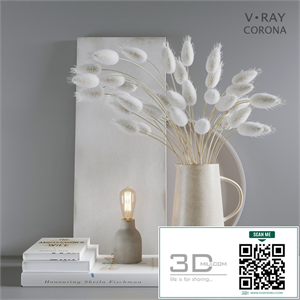
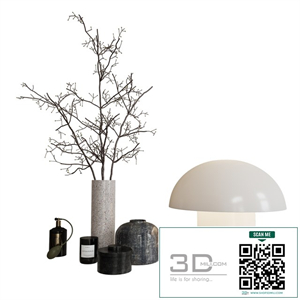
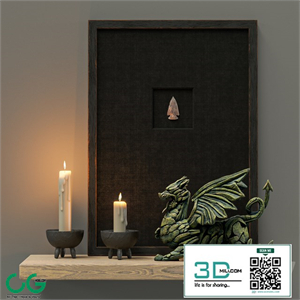
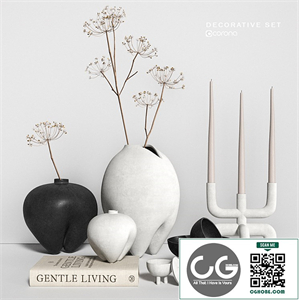
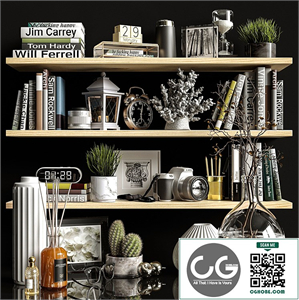
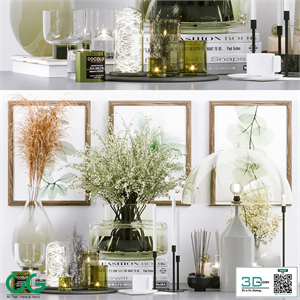
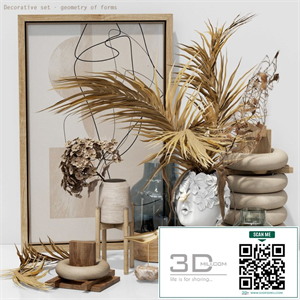
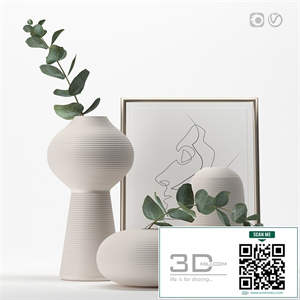
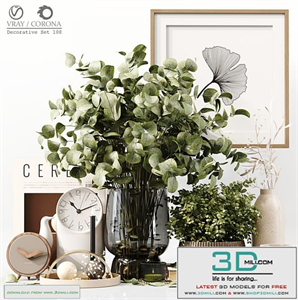
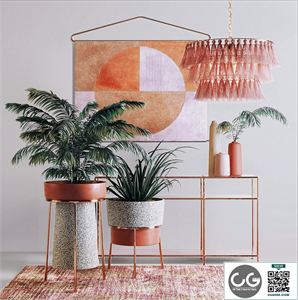
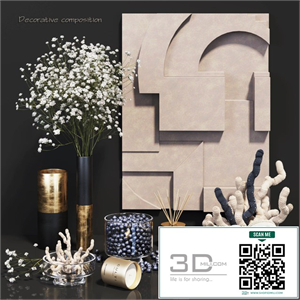
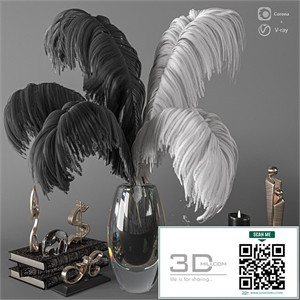
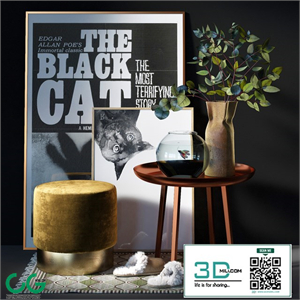
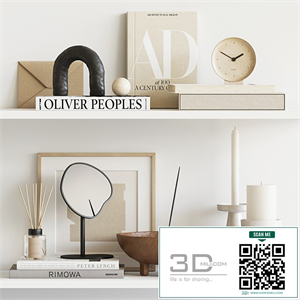
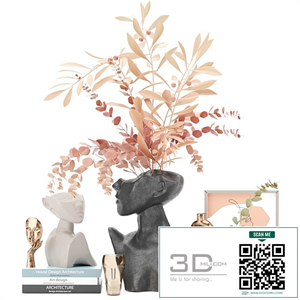
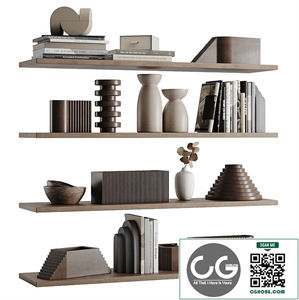
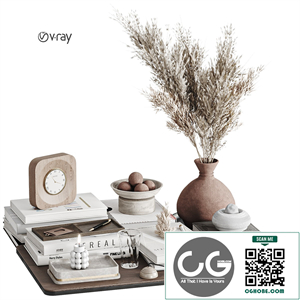
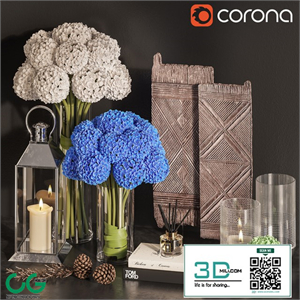
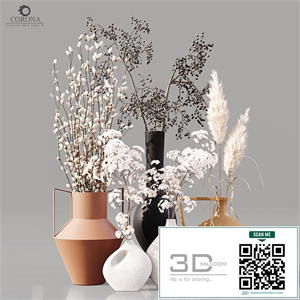
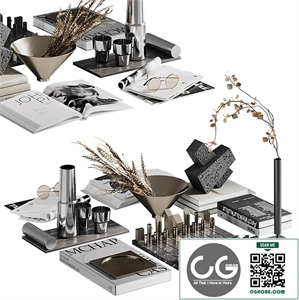
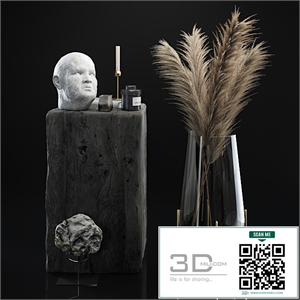
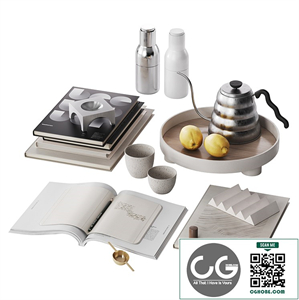
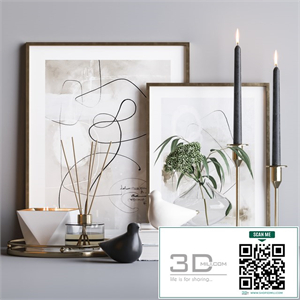
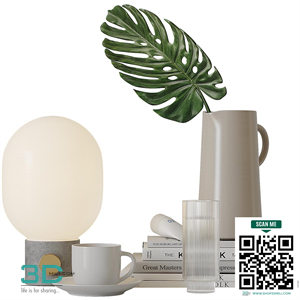
The term "decorative set" itself is quite broad. For IKEA, this typically translates to curated collections of items designed to complement each other and create a cohesive aesthetic within a specific *style*. These sets might include anything from *vases* and *candles* to *throw pillows* and *textiles*, often incorporating a unifying color palette, material, or design motif. The brilliance of IKEA's approach lies in its ability to offer these sets at remarkably *affordable* price points, making stylish home décor accessible to a much wider audience than previously possible. This democratization of design is a key element of IKEA's enduring appeal.
The success of these decorative sets stems from a keen understanding of current *interior design trends*. IKEA meticulously researches these trends, translating them into accessible products. This means that consumers can easily incorporate *modern minimalist* aesthetics, *Scandi-chic* elements, or *boho-inspired* touches into their homes without breaking the bank. The curated nature of the sets simplifies the decorating process, allowing consumers to achieve a polished look without the need for extensive research or expensive professional help.
Part 2: Design Principles and Target Audience
IKEA's design philosophy for decorative sets is rooted in *simplicity*, *functionality*, and *sustainability*. Their designs avoid excessive ornamentation, favoring clean lines and understated elegance. This approach reflects the minimalist design ethos prevalent in contemporary interior design, yet it remains adaptable and welcoming to diverse personal styles. The *materials* used are often carefully considered, with a focus on sustainable and ethically sourced options where possible, aligning with growing consumer demand for *eco-friendly* products.
The target audience for IKEA decorative sets is broad, encompassing *young professionals*, *families*, *students*, and *renters*. The *affordable* pricing makes these sets accessible to individuals across various income levels. The ease of assembly and integration into existing décor further broadens their appeal. Moreover, the *versatility* of the designs caters to diverse personal tastes and decorating styles. An individual with a minimalist aesthetic can find a set that complements their existing décor, while someone with a more eclectic taste might use the set as a starting point to layer in additional pieces.
Part 3: Market Positioning and Competitive Advantages
IKEA's decorative sets occupy a unique position in the home décor market. They compete with both high-end brands offering luxury décor and smaller, independent businesses selling handcrafted items. However, IKEA's *competitive advantage* lies in its ability to offer a compelling balance of *style*, *quality*, and *affordability*. This combination allows them to capture a significant market share that many competitors struggle to reach.
The readily available *flat-pack packaging* and simple assembly instructions further distinguish IKEA from competitors. This eliminates the need for specialized delivery and assembly services, contributing to the overall *affordability* of the products. The accessibility of IKEA stores and online platform also plays a crucial role in enhancing convenience and accessibility for consumers.
Part 4: Impact on the Home Décor Landscape
IKEA's influence on the home décor landscape is undeniable. The company's consistent introduction of affordable, stylish decorative sets has significantly democratized the design world. It has allowed millions of people to access and integrate design elements that were once the preserve of a wealthier demographic. This has broadened the understanding and appreciation of good design, allowing more individuals to express their personal styles through their home environments.
The *sustainability* initiatives embedded in IKEA's production processes also contribute to a positive impact on the industry. By utilizing sustainable materials and promoting responsible manufacturing practices, IKEA sets an example for other brands to follow, encouraging a shift towards more *eco-conscious* design and production methods.
Part 5: Future Trends and Potential Developments
Looking ahead, it's likely that IKEA will continue to refine its offerings in decorative sets, responding to emerging *design trends* and consumer preferences. We can anticipate further exploration of sustainable materials, more personalized customization options, and perhaps even a greater integration of technology into the products. For example, smart home accessories incorporated into decorative sets could be a potential development area. Moreover, increased emphasis on collaborative design, potentially working with independent artists or designers, could enhance the uniqueness and appeal of future collections.
Part 6: Conclusion: The Enduring Appeal of Accessible Design
The IKEA decorative set represents more than just a collection of home décor items; it symbolizes a broader shift in how people approach interior design. It demonstrates that style and affordability are not mutually exclusive. By offering curated collections that align with evolving design trends, IKEA continues to empower individuals to create welcoming, expressive, and stylish homes, regardless of budget. The company’s commitment to accessibility, sustainability, and innovative design ensures its continued relevance and impact on the home décor landscape for years to come. The democratization of design, a key pillar of IKEA's success, remains central to its appeal and will undoubtedly continue to shape its future offerings in the realm of decorative sets and beyond.