## Ikebana One: A Deep Dive into the Art of Japanese Flower Arrangement
Ikebana, the Japanese art of flower arrangement, is far more than simply placing flowers in a vase. It's a deeply symbolic practice, a meditative journey, and a testament to the beauty found in *simplicity* and *natural asymmetry*. This exploration of Ikebana, specifically focusing on what we'll call "Ikebana One," will delve into its history, philosophy, principles, and the transformative experience it offers.
Part 1: Unearthing the Roots of Ikebana
The origins of Ikebana are shrouded in the mists of ancient Japan, intertwined with *Buddhist* rituals. Early forms, dating back to the 6th century, involved offerings of flowers to *Buddhist altars*. These weren't elaborate displays; rather, they were simple arrangements reflecting a deep reverence for nature and a desire to connect with the *divine*. Over centuries, Ikebana evolved, influenced by various schools and styles, each with its own unique interpretations and techniques. The *Rikka* style, one of the earliest forms, emphasized *verticality* and *symmetry*, reflecting the image of a mountain landscape. It represented a formal and structured approach, mimicking the natural world in a precise and deliberate manner.
The transition from Rikka to the more *naturalistic* styles of Ikebana reflected a shift in societal values and artistic sensibilities. The emergence of *Shoka* marked a move towards a simpler, more *asymmetrical* design, emphasizing the natural beauty of the *flowers themselves*. This approach aimed to capture the *essence* of the plant's life cycle, its unique qualities, and its inherent elegance. The *Nageire* style, a further evolution, further simplified the arrangement, using a single, tall stem as the *focal point*, surrounded by smaller elements, thereby emphasizing *balance* and *harmony*.
The development of these styles highlights Ikebana's *adaptive nature*. It's not a static art form; it evolves alongside the cultural and societal landscape. Each school and style reflects the spirit of its time, revealing a fascinating interplay between artistic expression and social context. This constant evolution is a key element of Ikebana's enduring appeal; it’s a living tradition, constantly adapting and reinterpreting its own principles. It’s a *dynamic* art, ever in motion.
Part 2: Ikebana One: Principles and Practice
"Ikebana One," for the purposes of this discussion, represents a stripped-down, *minimalist* approach to Ikebana, emphasizing the fundamental principles of the art form. This isn't a dismissal of the more elaborate styles; rather, it's a return to the *essence* of Ikebana, allowing beginners to grasp the core concepts before moving on to more complex arrangements.
At the heart of Ikebana One lies the concept of *three main lines*: the *heavenly* line (representing *spirituality*), the *human* line (representing *humanity*), and the *earthly* line (representing *nature*). These lines, when thoughtfully composed, create a visual representation of the interconnectedness of all things. They are not necessarily straight lines; they can be curved, angled, or even implied through the arrangement of branches, flowers, and foliage.
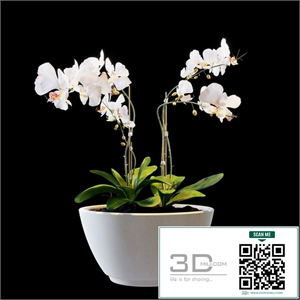
The *choice of materials* is also crucial in Ikebana One. A limited palette of flowers, branches, and foliage, often chosen for their *texture* and *form*, allows the beauty of each element to be fully appreciated. The *vase itself* plays a crucial role, its shape and form influencing the overall composition. The selection of the vessel – its *size, shape, color, and texture* – must harmonize with the chosen plant material to create a balanced and coherent arrangement.
The *asymmetry* of Ikebana One is not random; it's a carefully considered arrangement reflecting the *natural irregularity* of the world around us. It eschews *perfect symmetry* in favor of an organic, *unforced elegance*. The *empty space* within the arrangement is as important as the filled space; it allows the eye to rest and appreciate the subtle beauty of each element. It's a celebration of *negative space*—the space that isn't filled—enhancing the overall visual impact.
Part 3: The Meditative Aspect of Ikebana One
Beyond its aesthetic appeal, Ikebana One offers a path to *meditation* and *self-discovery*. The process of selecting materials, arranging them, and carefully considering the *composition* allows for a deep connection with the natural world and one's inner self. The deliberate movements involved in manipulating the flowers and foliage become a form of *mindfulness*, promoting focus and tranquility.
The *slow, deliberate pace* of Ikebana One fosters a sense of calmness and serenity. It's a meditative practice that encourages patience, observation, and appreciation for the beauty of *imperfection*. The act of arranging flowers becomes a ritualistic process, transforming the everyday act of decoration into a deeply meaningful experience.
The *symbolism* embedded within Ikebana adds another layer to this meditative practice. The flowers, branches, and foliage represent the *cycles of life and death*, *growth and decay*, *change and transformation*. Contemplating these symbols during the arrangement process can be deeply insightful, providing a framework for reflecting on one's own life journey.
Part 4: Ikebana One: A Beginner’s Guide
Embarking on your journey with Ikebana One doesn't require years of training. It begins with a *sense of curiosity* and a willingness to *experiment*. Here are some initial steps:
1. Gather your materials: Start with a simple, low vase and a few stems of flowers or branches. Consider variations in *texture*, *length*, and *color*.
2. Choose your focal point: Identify the main stem (heavenly line), which often sets the overall height and direction of the arrangement.
3. Create balance: Add the human and earthly lines, considering the flow and balance within the composition. Aim for a sense of *natural asymmetry*.
4. Embrace negative space: Don’t overcrowd the vase. The empty space is as important as the filled space.
5. Practice patience: Ikebana is a process; allow yourself time to *experiment* and discover your unique style.
Part 5: Beyond the Basics: Exploring Ikebana's Enduring Legacy
Ikebana One serves as an entry point into the rich world of Ikebana. While it simplifies the process, it doesn't diminish the art form's *beauty* or *significance*. The principles learned in this minimalist approach can be applied to more complex styles, fostering a deeper appreciation for the *nuances* and *subtleties* of Ikebana.
The enduring legacy of Ikebana lies in its ability to connect people to nature, to foster *creativity*, and to inspire a sense of *calm* and *reflection* in a hectic world. It's a tradition that continues to evolve, adapting to modern aesthetics while preserving its fundamental *values* and *principles*.
Whether you approach it as a meditative practice, an artistic pursuit, or a way to bring nature's beauty indoors, Ikebana One offers a unique and rewarding experience. It's an invitation to slow down, observe, and appreciate the *simple elegance* of the natural world. It's a *journey of discovery*, a path to *self-expression*, and a testament to the enduring power of *beauty* and *simplicity*.