## Indoor Plant 491: A Bonsai Journey – Unveiling the Art of Miniature Trees
This extensive guide delves into the fascinating world of *Indoor Plant 491*, specifically focusing on its unique status as a *bonsai plant*. We'll explore its origins, care requirements, aesthetic appeal, and the artistry involved in cultivating this miniature marvel. Understanding the nuances of bonsai care is crucial to ensuring its longevity and vibrant health, fostering a rewarding connection between grower and plant.
Part 1: Understanding the Essence of Bonsai
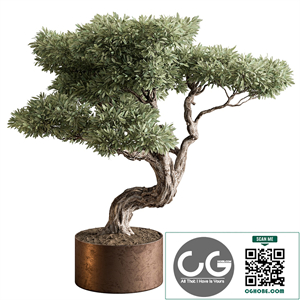
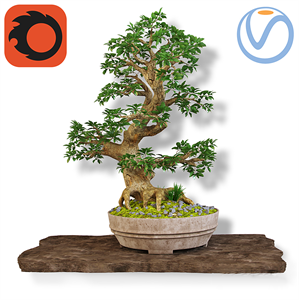
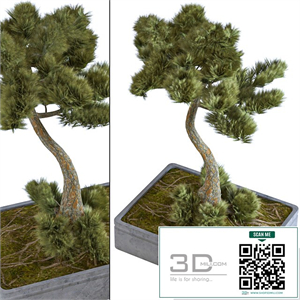
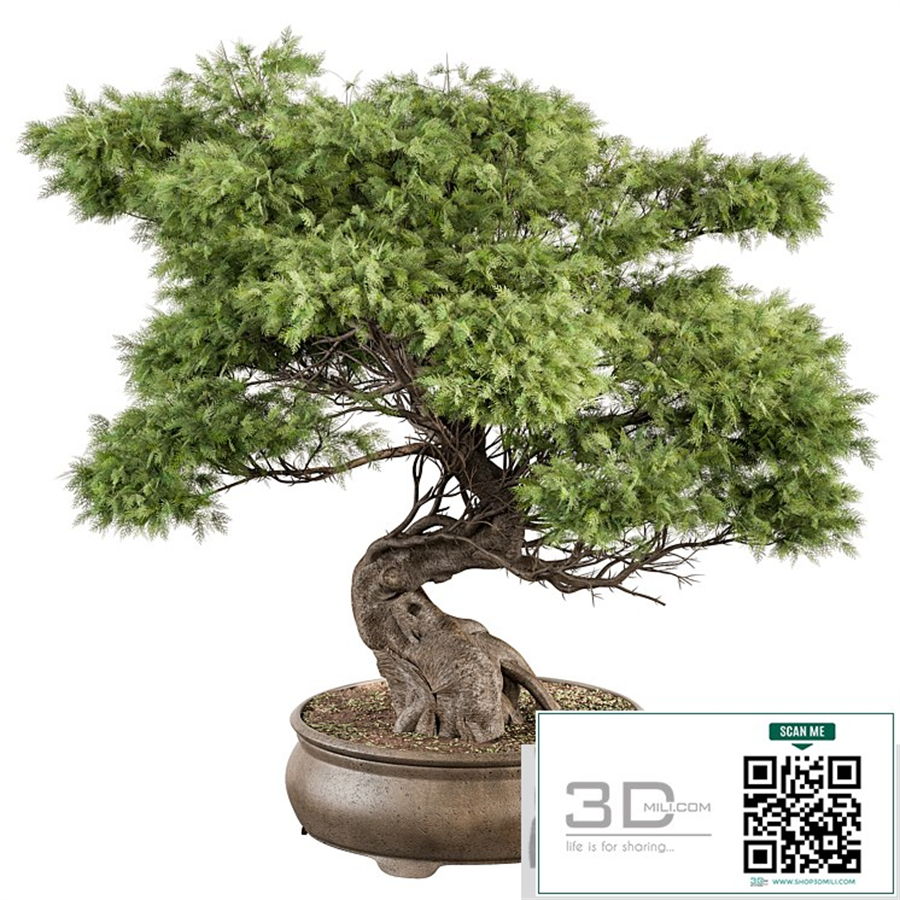
The word *bonsai*, derived from the Japanese words *bon* (tray) and *sai* (planted), encapsulates the essence of this ancient art form. It’s not merely about growing a small tree; it's about cultivating a living work of art, meticulously shaping and nurturing a tree to mimic the grandeur of its full-sized counterpart in a miniature format. This process requires patience, dedication, and a deep understanding of the plant's needs. *Indoor Plant 491*, with its inherent suitability for indoor environments, offers a unique opportunity to experience this captivating art form within the comfort of your home.
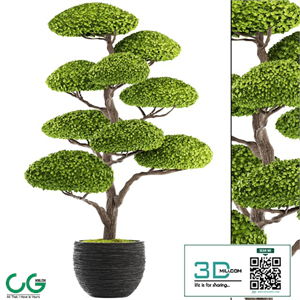
The beauty of bonsai lies in its ability to evoke a sense of tranquility and timeless elegance. The carefully sculpted branches, the meticulously pruned foliage, and the perfectly balanced pot all contribute to a sense of harmony and balance. It's a living testament to the power of nature, carefully shaped and refined by the hand of the artist-grower. The specific species of *Indoor Plant 491* chosen as a bonsai subject will influence its final aesthetic, with different species offering unique growth habits, leaf shapes, and overall aesthetic appeal. This understanding informs the shaping and styling techniques employed.
Part 2: Identifying *Indoor Plant 491* – Species and Characteristics
While the exact species denoted by "Indoor Plant 491" remains unspecified (and would require further information to definitively identify), we can explore general characteristics that make certain species ideal candidates for indoor bonsai. Popular choices often include species known for their resilience, slow growth, and suitability for container cultivation.
Some common species often selected for bonsai include *ficus*, *serissa*, *carmona*, and *juniper*. These species exhibit different characteristics that influence their aesthetic potential and care requirements. For example, *ficus* species are known for their adaptability and tolerance of various indoor conditions, making them a popular choice for beginners. *Juniper* species, on the other hand, tend to require more specialized care, including specific light and humidity levels.
*Indoor Plant 491*'s specific species will dictate its unique needs, therefore a thorough understanding of its individual requirements is paramount. This includes careful examination of its leaf structure, growth rate, and light requirements. These factors will guide your choices in terms of pot selection, watering frequency, and fertilization.
Part 3: Cultivating *Indoor Plant 491*: Essential Care Guidelines
Regardless of the specific species, successful bonsai cultivation hinges on providing optimal care. This includes understanding the plant's needs regarding:
* *Light Requirements:* *Indoor Plant 491*, like most bonsai, needs adequate sunlight. However, excessive direct sunlight can scorch the leaves. A south-facing window, filtered light, or a grow light might be necessary, depending on the specific species and the geographic location. Observing the plant's leaf coloration can provide valuable insights into its light requirements. Yellowing or browning leaves might indicate insufficient or excessive light, respectively.
* *Watering Techniques:* Overwatering is a common mistake amongst novice bonsai growers. The soil should be allowed to dry slightly between waterings, preventing root rot. The frequency of watering will depend on factors like the size of the pot, the type of soil, and the ambient temperature and humidity. Watering should be done thoroughly, ensuring the entire root ball is moistened.
* *Soil Composition:* Well-draining bonsai soil is critical. A mix of specialized bonsai soil, akadama, and pumice is often recommended. This soil blend ensures adequate aeration and drainage, preventing waterlogging and root rot. The choice of soil will impact the watering frequency and the overall health of the bonsai.
* *Fertilizing Schedule:* Regular fertilization is vital during the growing season (spring and summer). Specialized bonsai fertilizers, diluted to the recommended concentration, should be used. Over-fertilization can harm the plant, so adhering to the manufacturer's instructions is crucial.
* *Pruning and Shaping Techniques:* Pruning is crucial for maintaining the shape and size of the bonsai. Different techniques, such as pinching, cutting, and wiring, are used to guide the growth of branches and foliage. This requires skill and patience, and often involves learning about the plant’s specific growth habits.
* *Repotting: Periodic repotting is essential for maintaining the health and vigor of the bonsai. The frequency of repotting depends on the species and the growth rate. Repotting involves removing the plant from its pot, carefully trimming the roots, and planting it in fresh bonsai soil. This procedure should be done with care, to avoid damaging the roots.
Part 4: The Art of Shaping – Styles and Techniques
The art of bonsai extends beyond mere maintenance; it involves shaping the tree into an aesthetically pleasing form. Numerous styles exist, each with its own characteristics and principles. These styles often reflect natural forms found in nature, such as the *formal upright*, *informal upright*, *cascade*, and *literati* styles. *Indoor Plant 491*'s species and characteristics will influence the most suitable style for the bonsai.
The shaping process involves techniques like:
* *Wiring:* Using thin, aluminum or copper wire to guide the growth of branches and create desired curves. Wiring should be done carefully to prevent damage to the bark.
* *Pruning:* Selective removal of branches to maintain the overall shape and size, as well as to improve air circulation and light penetration.
* *Leaf Pruning:* Regularly trimming back leaves to maintain scale and to promote denser foliage growth.
* *Root Pruning:* During repotting, carefully removing portions of the root system to control the size and overall balance of the tree.
Part 5: Troubleshooting Common Problems
Despite careful attention, problems can arise. Recognizing and addressing these issues promptly is key to preventing serious damage. Common problems include:
* *Pests and Diseases:* Regularly inspect the plant for signs of pests, such as aphids, spider mites, or mealybugs. Address infestations promptly with appropriate insecticides or miticides. Fungicides can be used to tackle fungal diseases.
* *Yellowing or Browning Leaves:* This can indicate issues with watering, fertilization, or lighting. Adjust these factors accordingly.
* *Root Rot:* Caused by overwatering, root rot is a serious problem. If suspected, repot the plant immediately, removing any affected roots, and planting it in fresh, well-draining soil.
* *Leaf Drop:* Can be triggered by various factors including stress from changes in environment, improper watering, or pest infestations.
Conclusion:
Cultivating *Indoor Plant 491* as a bonsai is a rewarding endeavor. It offers a unique opportunity to connect with nature, develop artistic skills, and cultivate a living work of art within your home. By carefully understanding the specific needs of your plant and diligently following the care guidelines, you can enjoy the beauty and tranquility of your own miniature tree for years to come. Remember that patience and observation are paramount; every bonsai journey is unique, and learning through experience is a key part of the process. Remember to consult additional resources and seek advice from experienced bonsai enthusiasts for more specific guidance based on the precise identification of *Indoor Plant 491*.