## Living Decor 2: Elevating Your Living Space Through Inspired Design
This exploration of *Living Decor 2* delves into the art of transforming your living space into a haven of comfort, style, and functionality. We move beyond the basics, examining sophisticated design principles and practical techniques to elevate your home's aesthetic and enhance your daily life. This isn't just about furniture arrangement; it's about crafting a narrative, a reflection of your personality and aspirations within the walls of your home.
Part 1: Defining Your Design Vision
Before diving into *specifics*, it’s crucial to establish a clear design vision. This isn't about blindly following trends; it's about understanding your *personal style* and translating it into a cohesive living space. Consider these key questions:
* What feeling do you want to evoke? Are you aiming for a *serene and minimalist* aesthetic, a *vibrant and eclectic* atmosphere, or a *classic and timeless* elegance? Identifying the *desired mood* will guide your choices throughout the design process.
* What is your lifestyle? Do you entertain frequently? Do you work from home? Do you have pets or children? Your *lifestyle needs* will dictate the *functionality* and *practicality* of your design choices. For instance, a family with young children will require different furniture and storage solutions than a couple living alone.
* What is your budget? *Budgeting* is critical. Determine a realistic budget early on to avoid costly surprises and guide your purchasing decisions. Remember that *high-quality* doesn't always mean *expensive*; thoughtful curation can achieve stunning results on any budget.
* What is your existing architecture and natural light? The *existing architecture* of your living room – including its size, shape, and architectural features – profoundly impacts design choices. *Natural light* should be considered; it can drastically alter the perceived size and ambience of a space. A south-facing living room, for example, will require different window treatments than a north-facing one.
* What are your favourite colors and textures? *Color psychology* plays a significant role. Certain colors evoke specific emotions and moods. Understanding the *impact of color* and *texture* can help create a harmonious and welcoming space.
Part 2: Mastering the Fundamentals of Space Planning
Effective *space planning* is the foundation of any successful living room design. It involves strategically arranging furniture and décor to maximize functionality and create a visually appealing layout. Key considerations include:
* Focal Point: Every living room needs a *focal point* – a visually dominant feature that draws the eye. This could be a fireplace, a large window with a captivating view, a statement piece of artwork, or an entertainment center. Arrange your furniture to complement and enhance this focal point.
* Furniture Arrangement: Avoid overcrowding the space. Allow for sufficient *circulation space* between furniture pieces to ensure easy movement. Consider different furniture arrangements, such as *symmetrical* or *asymmetrical* layouts, depending on the overall design aesthetic.
* Traffic Flow: Plan the *traffic flow* carefully. Ensure that walkways are unobstructed and that furniture doesn’t impede movement throughout the room.
* Scale and Proportion: Pay close attention to the *scale and proportion* of furniture in relation to the room’s size. Oversized furniture can overwhelm a small space, while undersized furniture can get lost in a large room.
* Zoning: Divide the living room into distinct *zones* to create functional areas for different activities, such as conversation, relaxation, and entertainment. This can be achieved using rugs, furniture groupings, or changes in flooring material.
Part 3: Selecting Furniture and Accessories
Choosing the right *furniture and accessories* is crucial for realizing your design vision. Consider these elements:
* Seating: Select comfortable and stylish *seating* that complements the overall design and caters to your lifestyle. Consider *sofas*, *armchairs*, *ottomans*, and *poufs*. The *style*, *fabric*, and *color* of your seating should be carefully chosen to create a cohesive look.
* Coffee Table: The *coffee table* serves as a central piece in most living rooms. It should be proportionate to the size of the sofa and complement the overall aesthetic.
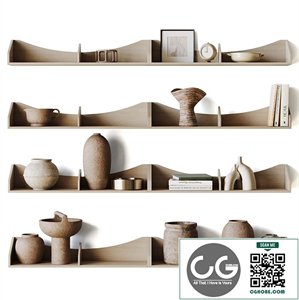
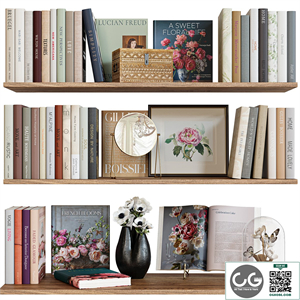
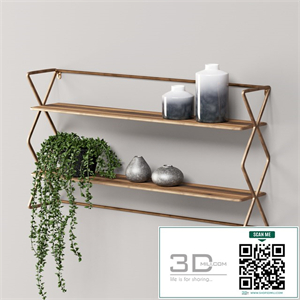
* Storage: Incorporate *storage solutions* to keep the space organized and clutter-free. This could include *shelving*, *cabinets*, *ottomans with storage*, or *baskets*.
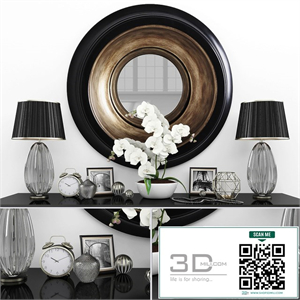
* Lighting: *Lighting* plays a vital role in setting the mood and highlighting design features. Use a combination of *ambient*, *task*, and *accent* lighting to create a layered and versatile lighting scheme.
* Rugs: *Rugs* define areas, add warmth, and enhance the overall aesthetic. Select a rug that complements the color scheme and complements the overall style.
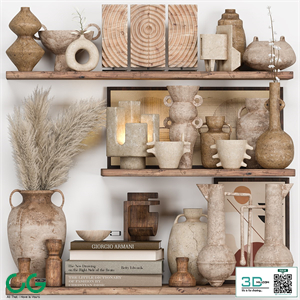
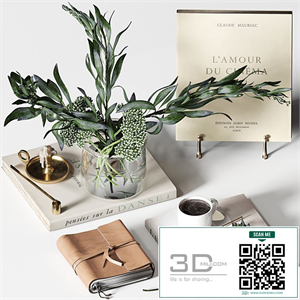
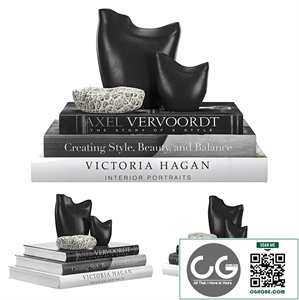
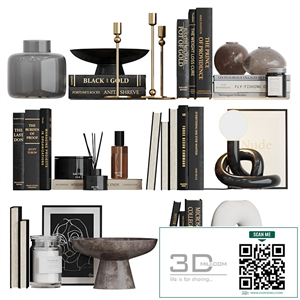
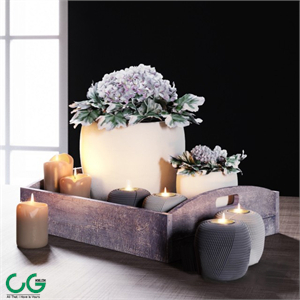
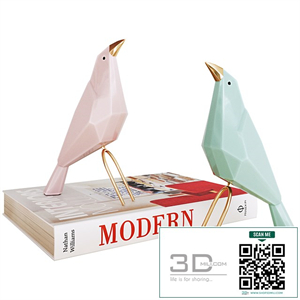
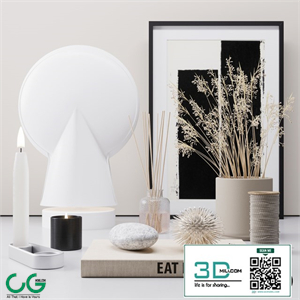
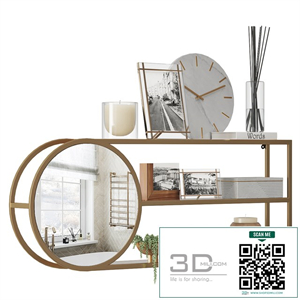
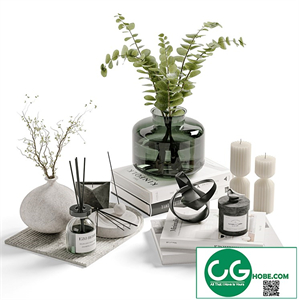
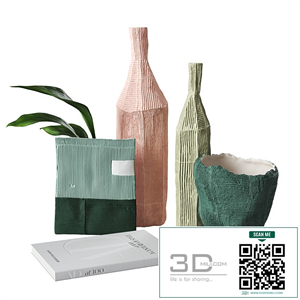
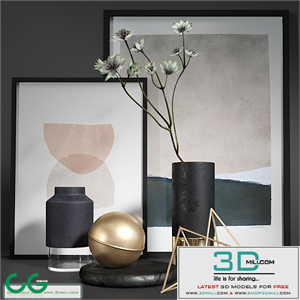
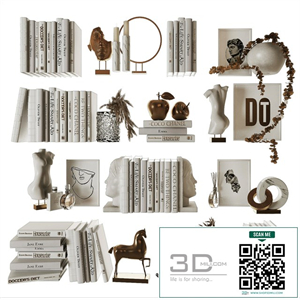
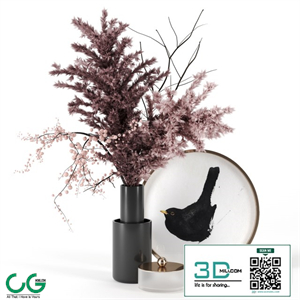
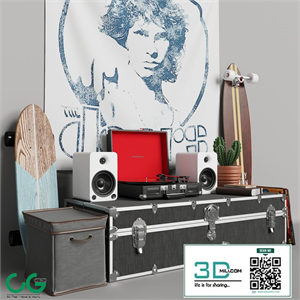
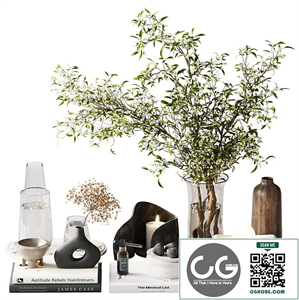
* Accessories: *Accessories* – including *throw pillows*, *throws*, *artwork*, *plants*, and *decorative objects* – add personality and complete the design. Don't overcrowd the space; curate your accessories thoughtfully to create a balanced and visually appealing environment.
Part 4: Embracing Texture and Color
*Texture and color* work hand in hand to create a rich and inviting atmosphere.
* Color Palette: Choose a *color palette* that reflects your personal style and the desired mood. Consider using a *neutral base* with pops of color to create visual interest. Consider the *psychological effects* of different colors.
* Texture: Incorporate a variety of *textures* to add depth and visual interest. Mix and match different fabrics, materials, and finishes to create a layered and dynamic look.
Part 5: Maintaining and Updating Your Living Space
Even the most carefully designed living room requires occasional maintenance and updates.
* Regular Cleaning: *Regular cleaning* is crucial to maintain the appearance and longevity of your furniture and décor.
* Decluttering: *Decluttering* regularly prevents the space from becoming overwhelming and uninviting.
* Seasonal Updates: Introduce *seasonal updates* with new accessories or textiles to keep the space fresh and interesting.
* Re-evaluating Your Needs: Over time, your needs and preferences may change. *Re-evaluate your living space* regularly to ensure that it continues to meet your requirements.
*Living Decor 2* is more than just arranging furniture; it’s about creating a space that reflects your personality, enhances your lifestyle, and provides a sanctuary for relaxation and rejuvenation. By thoughtfully considering the principles outlined above, you can transform your living room into a truly inspiring and beautiful space. Remember, the journey of design is iterative; embrace experimentation, adapt as needed, and enjoy the process of creating your perfect living room.