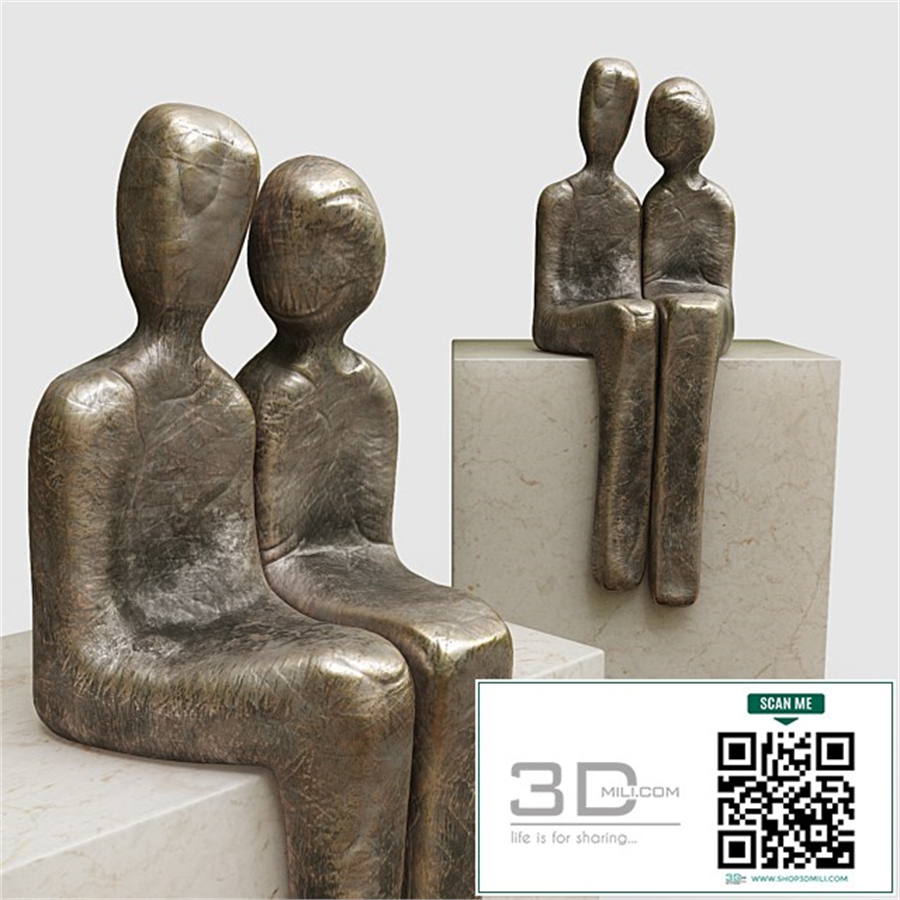
## The Enduring Allure of the Lovers Figurine: A Design Exploration
The *lovers figurine*, a seemingly simple object, holds a complex and fascinating history, reflecting cultural shifts, artistic styles, and the ever-evolving understanding of love and relationships. From ancient depictions of intertwined deities to modern minimalist interpretations, the *lovers figurine* serves as a powerful symbol, a testament to human connection, and a captivating subject for design exploration. This exploration delves into the multifaceted world of the *lovers figurine*, examining its historical context, artistic evolution, symbolic meaning, and contemporary relevance.
Part 1: Historical Roots and Cultural Significance
The representation of love and intimacy through figurines dates back to antiquity. Ancient civilizations, across diverse cultures, left behind countless examples, each imbued with unique symbolism and aesthetic qualities. Consider, for instance, the *terracotta figurines* unearthed from ancient Greek sites, often depicting *couples* in affectionate embraces, reflecting the importance of marital bonds and family unity in their society. These early *figurines* weren't merely decorative; they were imbued with religious and *ritualistic* significance, sometimes serving as offerings to deities associated with love and fertility.
Similarly, ancient Egyptian art showcases *lovers figurines* portraying couples in a variety of poses, often emphasizing the importance of the afterlife and the continuation of their relationship beyond death. The *symbolic* gestures and postures depicted reveal much about the cultural values and beliefs surrounding love and partnership in those times. The *style* varied considerably, reflecting the artistic conventions of each period and region. However, the underlying theme remained consistent: the celebration of love and the desire for its enduring legacy. The evolution of these early forms laid the groundwork for the diverse range of *lovers figurines* we see today.
Part 2: Artistic Evolution and Styles
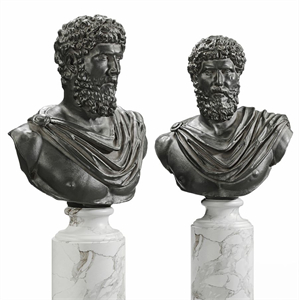
The artistic representation of love has undergone significant transformations throughout history. The *Renaissance*, with its emphasis on humanism and idealized beauty, saw the emergence of more realistic and emotionally expressive *lovers figurines*. Sculptors sought to capture the essence of romantic love, portraying *couples* in intimate poses, often inspired by classical mythology and literature. The *materials* used also evolved, from simple clay to more sophisticated materials like marble and bronze, reflecting advancements in artistic techniques and the growing value placed on craftsmanship.
The *Rococo* period witnessed a shift towards a more playful and decorative style. *Lovers figurines* from this era are characterized by their delicate details, ornate embellishments, and playful depictions of courtship and flirtation. The focus shifted from solemn representation to a more lighthearted and romantic portrayal of love. The *pastel colours* and intricate designs reflected the overall aesthetic preferences of the time.
The *Victorian era* presented a unique perspective, influenced by societal norms and moral codes. *Lovers figurines* from this period often showcased idealized couples, emphasizing modesty and virtuousness. However, the underlying message of love and affection remained, even if subtly conveyed. The *materials* and styles varied, reflecting the diverse tastes and economic statuses of the population.
Part 3: Symbolism and Interpretation
The *lovers figurine*, beyond its aesthetic appeal, carries profound symbolic weight. The very act of creating and displaying such a figurine speaks volumes about the importance placed on love and companionship. The *pose*, the *materials*, and even the *size* of the figurine can all contribute to its meaning. A figurine depicting a couple embracing might symbolize deep affection and commitment, while one showcasing a couple holding hands might suggest a more gentle and tender connection.
The *choice of material* also holds symbolic significance. A *bronze figurine* might convey a sense of permanence and enduring love, while a delicate *porcelain figurine* might represent fragility and the ephemeral nature of romance. The *setting* in which the figurine is displayed further enhances its meaning. Placed on a mantelpiece, it might serve as a testament to a lasting relationship, while displayed on a bedside table, it might symbolize intimacy and private affection. The *interpretation* is, therefore, highly contextual and subjective, depending on individual experiences and cultural background.
Part 4: Contemporary Expressions and Design Trends
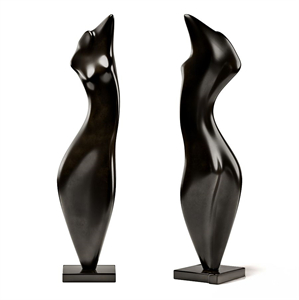
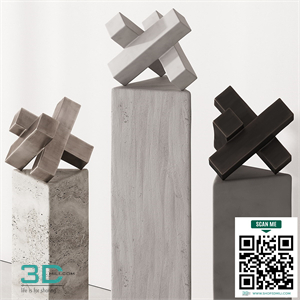
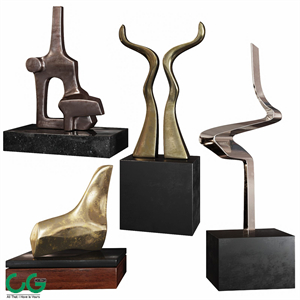
In the modern era, *lovers figurines* continue to evolve, reflecting contemporary artistic sensibilities and cultural trends. Minimalist designs, often crafted from sleek materials like *metal* or *glass*, offer a stark contrast to the ornate styles of the past. These minimalist *figurines* emphasize simplicity and understated elegance, capturing the essence of love through clean lines and geometric forms. They resonate with contemporary sensibilities that value simplicity and functionality.
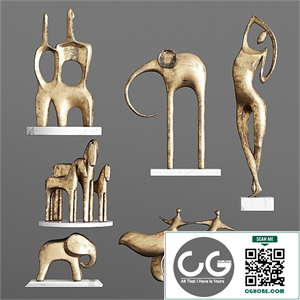
In contrast, some contemporary artists embrace a more expressive and unconventional approach. They might incorporate unconventional *materials*, bold *colours*, and abstract forms to represent the complexity and multifaceted nature of modern relationships. These *figurines* often challenge traditional representations of love, reflecting the evolving societal norms and the diverse spectrum of human relationships. The increasing acceptance of diverse forms of love is evident in the representation of *same-sex couples* in contemporary *lovers figurines*, mirroring societal progress and inclusivity.
Part 5: The Future of the Lovers Figurine
The *lovers figurine*, despite its long history, remains a relevant and dynamic art form. As our understanding of love and relationships continues to evolve, so too will the ways in which we represent it through art. The enduring appeal of the *lovers figurine* lies in its ability to capture a fundamental human experience: the longing for connection, intimacy, and lasting love. From ancient temples to modern homes, the *lovers figurine* serves as a timeless symbol of this profound human emotion. Its future undoubtedly lies in continuing to reflect the diverse tapestry of human relationships, embracing new artistic styles, and challenging conventional representations of love in meaningful and engaging ways. The ongoing exploration and reinvention of this enduring symbol ensures its place in the art world, captivating generations to come with its poignant representation of love in all its forms.