## The Power and Grace of Malvina Hoffman's *Mangbetu Woman*: A Deep Dive into Artistic Representation and Cultural Significance
Malvina Hoffman's *Mangbetu Woman*, a striking bronze sculpture, stands as a powerful testament to the artist's dedication to capturing the essence of diverse cultures. This piece, crafted in *dark metal*, transcends mere representation; it is a profound exploration of beauty, strength, and the complexities of cultural identity. The sculpture's impact stems not only from its aesthetic qualities but also from its historical context and the enduring legacy of its subject, the *Mangbetu* people of the Democratic Republic of Congo.
Part 1: Malvina Hoffman – A Pioneer of Cultural Portraiture
Malvina Hoffman (1887-1966) was a remarkably influential sculptor whose career was defined by her unwavering commitment to portraying the human form across diverse ethnic and cultural backgrounds. Unlike many of her contemporaries who focused on idealized classical forms, Hoffman embarked on a bold journey, traveling extensively to document and sculpt people from various corners of the globe. This ambitious endeavor resulted in the creation of her monumental *Races of Mankind* collection, a powerful visual anthology that challenges Eurocentric aesthetic standards and celebrates the rich tapestry of human diversity. Her methodology involved meticulous observation and direct engagement with her subjects, resulting in portraits that are both aesthetically stunning and deeply respectful. *Hoffman’s* approach prioritized authenticity, ensuring her representations weren't merely exotic appropriations but rather genuine attempts to capture the spirit and dignity of the individuals she portrayed. The *Mangbetu Woman* is a prime example of this commitment.
Part 2: The Mangbetu People – A Culture of Refinement and Resilience
The *Mangbetu* are a Central African people inhabiting the northeastern region of the Democratic Republic of Congo. Known for their intricate social structures, sophisticated artistic traditions, and distinctive cranial modification practices, the *Mangbetu* have captivated the attention of anthropologists and artists alike for centuries. Their *cultural* significance lies not only in their unique aesthetic practices but also in their remarkable resilience in the face of historical challenges, including colonialism and ongoing political instability. The *Mangbetu* have preserved many aspects of their traditions and cultural heritage, showcasing a remarkable ability to adapt and maintain their identity in the face of adversity. Understanding this historical and *cultural* context is crucial to appreciating the profound implications of Hoffman's sculpture. The *Mangbetu Woman* isn't just a representation of an individual; it's a representation of a rich and enduring *culture*.
Part 3: Analyzing the Sculpture: Form, Material, and Meaning
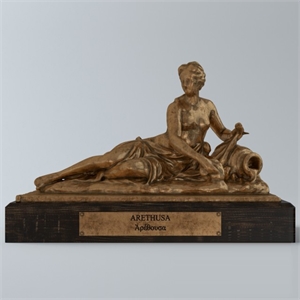
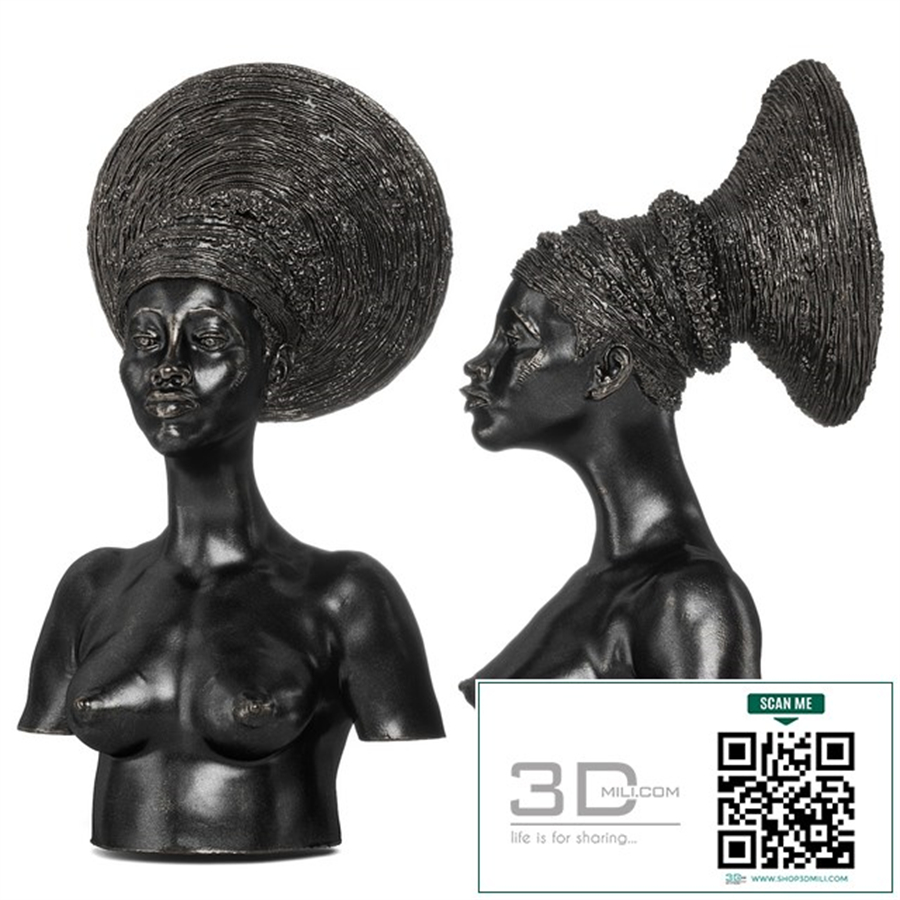
*Hoffman's* *Mangbetu Woman* is immediately striking for its powerful presence. The *dark metal*, likely bronze, lends a sense of timeless dignity and gravitas to the figure. The *material* itself contributes to the sculpture's weight and aura of permanence, mirroring the enduring strength of the *Mangbetu* people. The artist's skill lies in her ability to capture both the physical and spiritual essence of her subject. The figure's posture, the subtle details of the facial features, and the drape of the clothing all contribute to a portrait that is both realistic and evocative. The *woman's* pose suggests a quiet dignity and inner strength, a powerful counterpoint to the potential for exoticization often associated with representations of non-Western cultures. *Hoffman's* mastery lies in presenting the *Mangbetu woman* not as an object of curiosity but as a person of profound dignity and beauty. The subtle *details* in the sculpture, such as the carefully rendered textures of the fabric and the thoughtfully crafted facial expression, communicate a depth of character that transcends the limitations of the medium.
Part 4: The Legacy of the Mangbetu Woman and its Critical Reception
*Hoffman's* *Mangbetu Woman*, like many of her other works, has been subject to both critical acclaim and some debate. While praised for its technical excellence and sensitive portrayal of a specific *culture*, some critiques have focused on the inherent limitations of representing a diverse *culture* through a single individual. The potential for reinforcing stereotypes or promoting a singular narrative about the *Mangbetu* people is a valid concern. However, it's important to understand the historical context of *Hoffman’s* work. In a time when colonialist representations often misrepresented or exoticized non-Western cultures, *Hoffman’s* efforts to engage directly with her subjects and strive for authenticity represented a significant departure from prevailing norms. The *sculpture’s* legacy, therefore, is complex and multifaceted. It compels viewers to engage in a critical dialogue about representation, cultural sensitivity, and the enduring power of art to both reflect and shape our understanding of the world.
Part 5: The Enduring Power of Dark Metal in Sculpture
The choice of *dark metal*, specifically bronze, is not coincidental. Bronze, with its rich history in sculpture, lends an air of permanence and solemnity to *Hoffman's* work. The *dark* tones emphasize the sculpture's gravitas, creating a powerful visual impact. The material’s ability to capture fine detail further enhances the realism and emotional resonance of the piece. The *dark metal’s* enduring qualities reflect the resilience and lasting legacy of the *Mangbetu* *culture*, symbolizing strength and enduring presence across generations.
Part 6: Conclusion: A Continuing Conversation
Malvina *Hoffman’s* *Mangbetu Woman*, crafted in *dark metal*, continues to spark conversation and critical analysis. It serves as a valuable artifact within the larger discourse concerning cultural representation in art, reminding us of the crucial importance of ethical and sensitive portrayal of diverse communities. The sculpture transcends its artistic merit; it's a testament to the artist's dedication, a tribute to the *Mangbetu* *culture*, and a catalyst for ongoing discussions about the power and responsibility of artistic representation. The *sculpture’s* enduring appeal lies in its ability to evoke a profound sense of empathy and respect for the human experience in all its diverse forms. Its existence invites us to engage with the past, reflect on present realities, and imagine a future where authentic and respectful portrayals of diverse cultures are the norm, not the exception. By examining the *Mangbetu Woman*, we engage in a wider conversation about the role of art in bridging cultural understanding and celebrating the inherent dignity of all people.