## The Mango Tree: A Symbol of Life, Sustenance, and Cultural Significance
The _mango tree_, *Mangifera indica*, stands as a towering testament to nature's bounty and cultural significance across vast swathes of the globe. Far more than just a fruit-bearing plant, it represents a complex interplay of ecological, economic, and social factors, deeply interwoven with the lives of millions. This exploration delves into the multifaceted world of the mango tree, examining its botanical characteristics, its crucial role in various ecosystems, its economic importance, and its profound cultural and symbolic weight in different societies.
### Part 1: Botanical Majesty and Ecological Importance
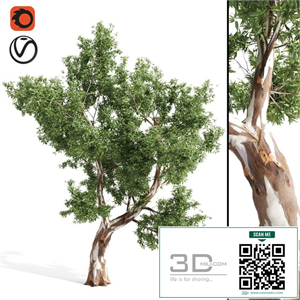
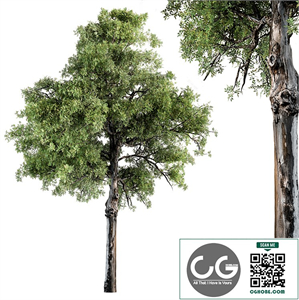
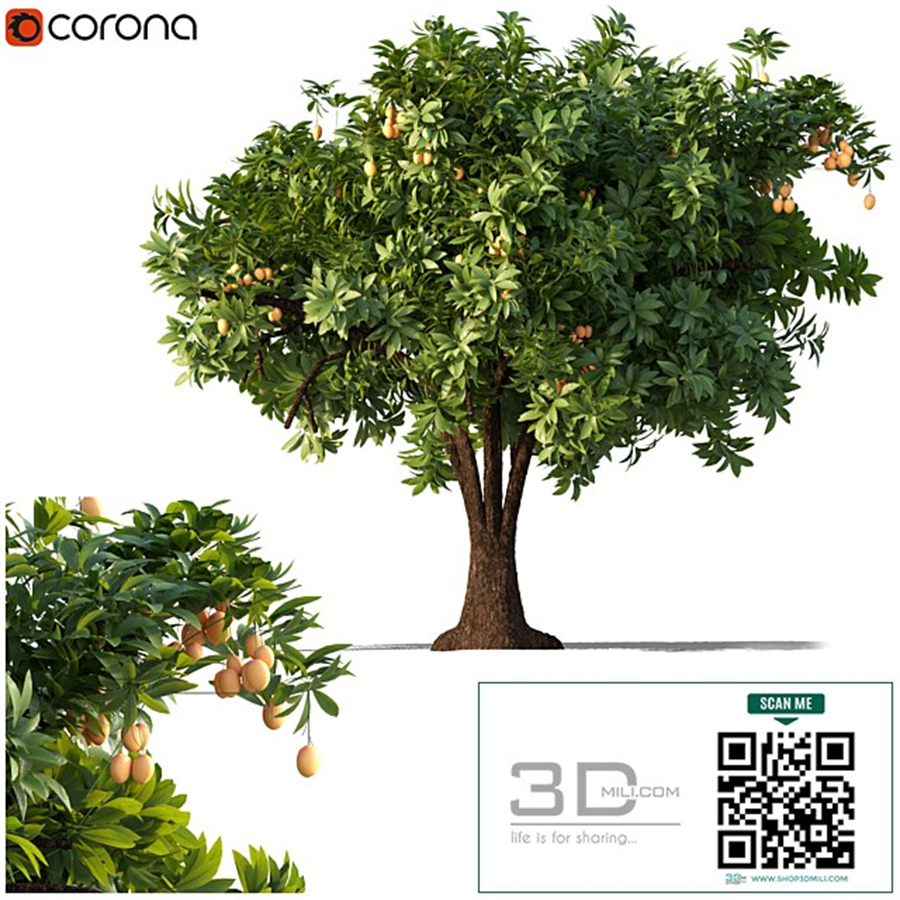
The _mango tree_, a member of the Anacardiaceae family, is an evergreen or semi-evergreen tropical tree that can reach impressive heights, often exceeding 30 meters (100 feet). Its characteristic feature is, of course, the _mango fruit_, a drupe prized for its juicy flesh and diverse flavors, ranging from sweet to tart and subtly acidic. The _tree's morphology_ is equally striking: Its dense, spreading crown provides shade and habitat for a variety of species, highlighting its importance in maintaining _biodiversity_. The _leaves_ are elliptical and leathery, exhibiting a beautiful glossy sheen, and their vibrant green color provides a visually appealing contrast against the bark, which ranges from grayish-brown to almost black, often rough and textured with age.
The _mango tree's_ ecological role extends far beyond its aesthetic appeal. Its extensive root system plays a crucial part in soil stabilization and erosion control, particularly in regions prone to heavy rainfall or strong winds. The _dense canopy_ provides refuge and nesting sites for birds and other animals, contributing to the overall health and balance of the ecosystem. Moreover, the _fallen leaves_ decompose, enriching the soil with vital nutrients and contributing to its fertility. The _flowers_ themselves, albeit small and inconspicuous, attract pollinators like bees and butterflies, sustaining a thriving pollinator population, essential for the reproductive success of numerous plant species. The _mango tree_ truly acts as a keystone species in many tropical ecosystems, supporting a complex web of life. The _importance of its biodiversity contribution_ cannot be overstated, particularly in the face of increasing habitat loss and climate change.
### Part 2: Economic Significance: A Global Commodity
Beyond its ecological value, the _mango tree_ possesses immense economic significance on a global scale. The _mango fruit_ is a major agricultural commodity, cultivated extensively in tropical and subtropical regions worldwide. India alone accounts for a significant portion of global _mango production_, followed by countries like China, Pakistan, Thailand, and Brazil. The _economic impact_ is substantial, providing livelihoods for millions of farmers, traders, and processors. The _export market_ for mangoes is thriving, with demand for fresh, processed, and dried mangoes steadily increasing in both developed and developing nations.
The _economic benefits_ are not limited to the fruit itself. _Mango wood_, despite its relatively soft nature, finds applications in various industries, from furniture making to the production of agricultural implements. The _leaves and bark_ possess medicinal properties and are used in traditional medicine systems, contributing to a secondary income stream for some communities. The _cultivation and trade of mango trees_ represent a complex, multi-layered economic activity with far-reaching consequences for national economies and local communities alike. Understanding this _economic framework_ is critical to implementing sustainable agricultural practices and ensuring the long-term viability of _mango production_. The future of the _mango industry_ depends on addressing challenges like climate change, pest management, and market volatility.
### Part 3: Cultural and Symbolic Significance: A Tree of Life
The _mango tree_ transcends its purely utilitarian value; it holds deep cultural and symbolic significance in many parts of the world. In numerous cultures, the _mango tree_ is associated with fertility, abundance, and prosperity. Its _presence_ often signifies longevity, strength, and the enduring cycle of life and death. The _sweetness of the mango_ is often linked to spiritual fulfillment and divine grace.
In India, for instance, the _mango tree_ occupies a prominent place in mythology and folklore. Various _religious texts_ and legends feature the _mango tree_, often portraying it as a sacred entity with divine powers. In many Indian communities, _mango blossoms_ symbolize spring and renewal, while _ripe mangoes_ represent abundance and good fortune. _Mango rituals_ and celebrations form an integral part of various festivals and religious observances, further underscoring its cultural prominence.
Beyond India, the _mango tree_ resonates with similar symbolic meanings across many South and Southeast Asian cultures. In some regions, the _mango tree_ is considered a symbol of love and affection, while in others, it is viewed as a guardian spirit, offering protection and warding off evil spirits. The _cultural significance of the mango_ varies across different geographical locations, reflecting the rich tapestry of traditions and beliefs associated with this remarkable tree. Studying the _cultural interpretations_ surrounding the _mango tree_ sheds light on the complex relationship between humans and nature, and the enduring power of symbolism in shaping human societies.
### Part 4: Challenges and Conservation: Securing the Future
Despite its widespread cultivation and enduring cultural significance, the _mango tree_ faces several challenges that threaten its long-term sustainability. Climate change poses a significant threat, with alterations in rainfall patterns and increasing temperatures affecting _mango yields_ and overall tree health. Pests and diseases also pose a constant threat, requiring effective management strategies to minimize crop losses. Furthermore, the _loss of biodiversity_ due to deforestation and habitat fragmentation undermines the ecological role of the _mango tree_, impacting the entire ecosystem that depends on it.
_Conservation efforts_ are crucial to safeguarding the future of the _mango tree_. These efforts involve promoting sustainable agricultural practices, such as integrated pest management and water-efficient irrigation techniques. _Preservation of wild mango populations_ is also essential to maintain genetic diversity and enhance the resilience of cultivated varieties. Raising awareness about the importance of _mango tree conservation_ among farmers, policymakers, and the general public is crucial to fostering a collective commitment to protecting this valuable resource. The _future of the mango_ hinges on a collaborative approach, bringing together scientists, farmers, policymakers, and consumers to address the challenges and secure the legacy of this remarkable tree for future generations. The _sustainable management_ of the _mango tree_ is not just about preserving a fruit; it is about preserving an ecosystem, a culture, and a valuable piece of global heritage.