## A Mid-Century Modern Planter with a Golden Touch: Design Exploration
This document explores the design concept for a *mid-century modern planter* incorporating a striking *gold* element. We will delve into the inspiration, material choices, manufacturing considerations, and the overall aesthetic aimed for in this piece.
### Part 1: Inspiration & Aesthetic
The design draws heavily from the *mid-century modern* aesthetic, a period characterized by clean lines, functional forms, and a celebration of simple elegance. Key elements informing this planter design include:
* Geometric forms: The planter will feature *clean, geometric shapes*, avoiding overly ornate or fussy detailing. Think simple cylinders, squares, or subtly tapered forms, echoing the architectural styles prevalent in the mid-century era. This will create a sense of *timeless sophistication* and avoid trends that might date the piece quickly. The *geometric precision* will be a key selling point, emphasizing the craftsmanship involved.
* Organic integration: While geometric shapes dominate, there's a subtle counterpoint intended. The overall form will aim for a sense of *organic integration* with the plant life it will house. The planter might subtly curve or have a slightly uneven base to suggest a gentle connection to nature, avoiding a starkly artificial feel. This balance between *geometric rigor* and *natural softness* is critical to the design's success.
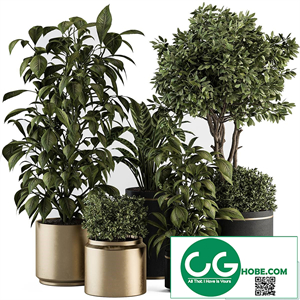
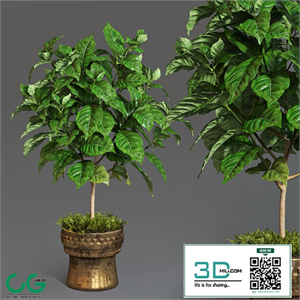
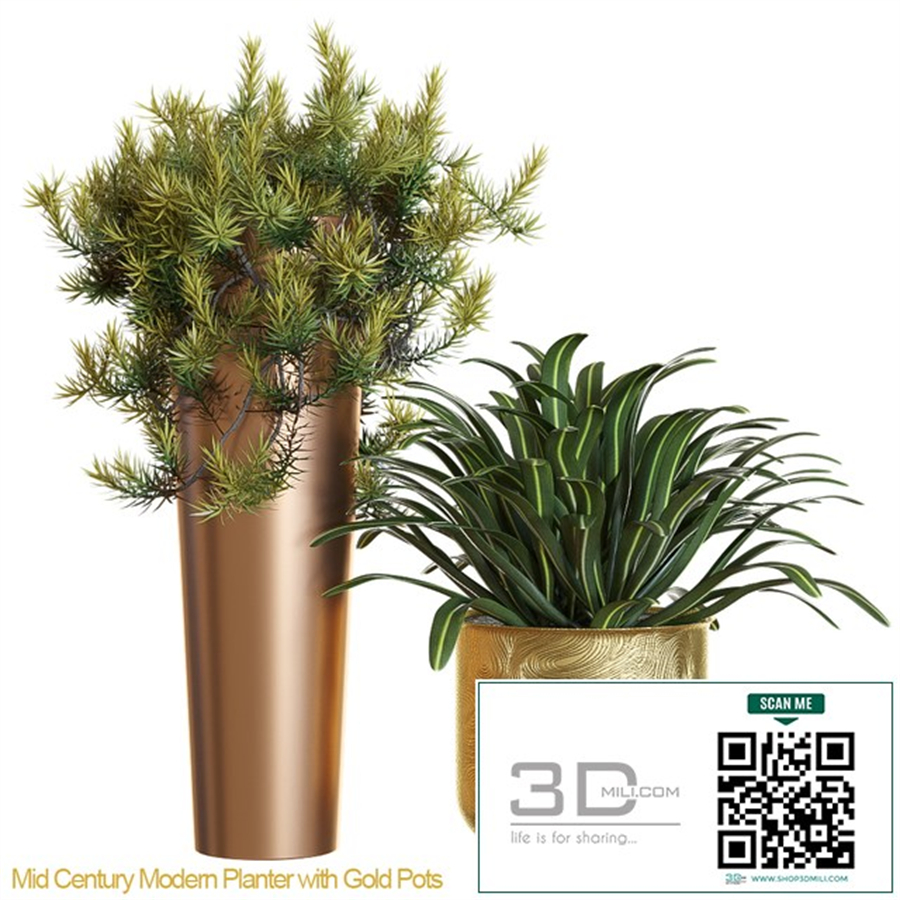
* Material contrast: The *gold* element acts as a significant contrast to the planter's primary material (details below). This contrast enhances the piece's visual interest, adding a touch of *luxury* and *modernity* to the otherwise understated design. The gold isn't intended to overwhelm but rather to subtly accentuate the form and materiality of the planter itself. The *gold accents* should be precisely applied, showcasing both the quality of the material and the precision of the manufacturing process.
* Color palette: The overall *color palette* will be understated and elegant. The *gold* will be the primary accent color, possibly complemented by neutral tones such as deep greens, earthy browns, or even muted grays in the planter's primary material. This restrained *color scheme* will allow the planter's form and the plant life it holds to truly shine. Avoiding vibrant or jarring colors ensures the piece remains a timeless classic.
### Part 2: Material Selection & Manufacturing
Careful consideration of materials is paramount to achieving the desired aesthetic and ensuring the planter's longevity.
* Primary Material Options: Several options are being considered for the planter's primary material, each offering unique advantages and challenges:
* Ceramic: *Ceramic* offers a clean, modern look that aligns perfectly with *mid-century modern design*. It allows for precise shaping and a durable, weather-resistant finish. A matte finish would be preferred to avoid excessive shine and maintain the overall understated aesthetic. However, *ceramic* can be more fragile and requires careful handling during manufacturing and shipping.
* Concrete: *Concrete* offers a more *industrial* yet still modern feel. Its weight and texture can create a strong visual presence. However, achieving the precise geometric shapes required will be more challenging. Surface finishing is also crucial, as a rough or uneven finish would contradict the desired aesthetic. A *smooth, polished concrete* finish is being explored.
* Sustainable Wood: Using *sustainable hardwoods*, possibly with a minimalist *wood stain*, offers a warmer, more organic feel. The grain of the wood could add a touch of visual interest without compromising the overall clean lines. This option, however, requires careful selection of wood to ensure durability and longevity, particularly for outdoor use. The *sustainability* of the material is a crucial aspect.
* Gold Element: The *gold* element will be incorporated through one of the following methods:
* Powder-coated metal: This provides a durable and relatively cost-effective way to incorporate *gold* accents, such as a *gold-colored metal rim* or *legs*. The powder coating ensures a smooth, even finish and good resistance to wear and tear.
* Real Gold Leaf: This option offers a luxurious and undeniably opulent feel, though it is significantly more expensive and requires a skilled craftsman to apply. The *real gold leaf* would add a layer of exquisite detailing, perhaps outlining geometric patterns or accentuating specific areas of the planter.
* Manufacturing Process: The manufacturing process will depend heavily on the chosen materials. For *ceramic*, slip casting or rotational molding might be employed. *Concrete* might require mold-making and careful curing. *Wood* would necessitate precise cutting, shaping, and finishing techniques. The *gold* elements would be applied either during or after the primary material’s manufacturing process, depending on the chosen method. High-quality *manufacturing techniques* are critical to ensuring a high-quality, durable final product.
### Part 3: Functionality & Practical Considerations
Beyond the aesthetic, the planter's functionality is paramount:
* Drainage: Adequate *drainage* is crucial to prevent root rot. This will be achieved through strategically placed holes in the bottom of the planter, concealed in a subtle and aesthetically pleasing manner.
* Size & Scale: Several *sizes* will be offered to cater to different plant types and spaces. The *scale* of the planter should be carefully considered to avoid overwhelming smaller plants or looking dwarfed by larger ones.
* Stability: The planter must be *stable* and resistant to tipping, especially when holding heavier plants or being placed outdoors. This requires careful consideration of the *base design* and the weight distribution of the materials used.
* Versatility: The design will strive for *versatility*, allowing the planter to be used both indoors and outdoors (weather permitting, depending on the chosen materials).
### Part 4: Market Positioning & Target Audience
The *mid-century modern planter with gold* is targeted towards consumers who appreciate sophisticated design, quality craftsmanship, and timeless aesthetics. The target audience includes:
* Mid-century modern enthusiasts: Individuals with an established interest in the *mid-century modern* style and a desire for authentic, high-quality pieces to complement their existing décor.
* Design-conscious consumers: Those who appreciate well-designed products and are willing to invest in pieces that are both functional and aesthetically pleasing.
* Plant lovers: Individuals with a passion for indoor or outdoor gardening, seeking a stylish and functional planter to showcase their plants.
* Luxury home owners: The *gold* accent elevates the planter to a higher price point, making it appealing to consumers seeking luxurious and high-end home décor.
This *mid-century modern planter with gold* aims to be more than just a container for plants; it's a statement piece, a subtle blend of elegance, functionality, and timeless design. The careful consideration of material, form, and manufacturing ensures the creation of a product that is both beautiful and enduring.