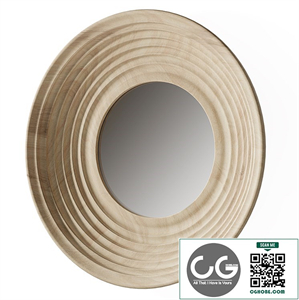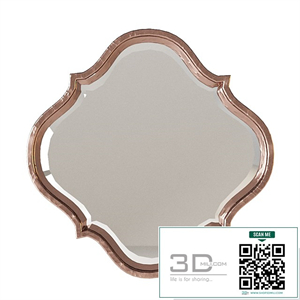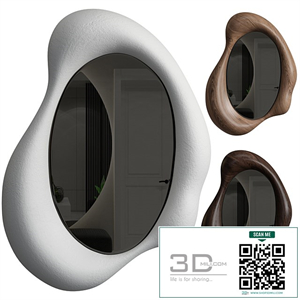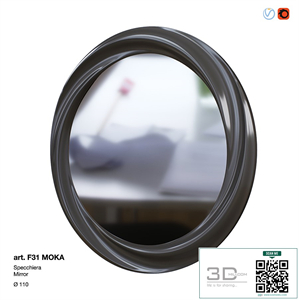
## Mirror 11: A Deep Dive into Reflective Design
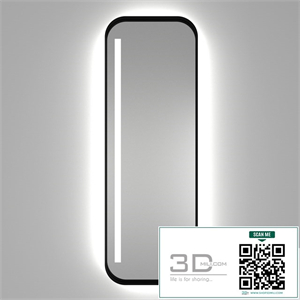
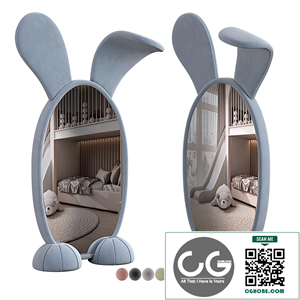
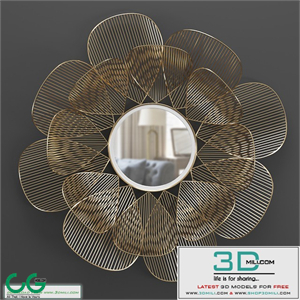
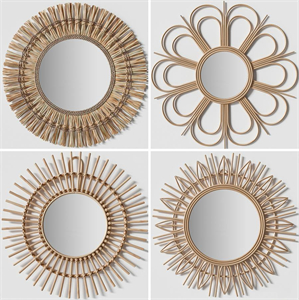
Mirror 11 is more than just a design; it's a *concept*, a *philosophy*, and a *visual statement*. It explores the multifaceted nature of reflection, both literally and metaphorically, pushing the boundaries of traditional design aesthetics and challenging our perceptions of form and function. This in-depth exploration will delve into the core principles behind Mirror 11, its conceptual underpinnings, and its potential applications across various disciplines.
Part 1: The Genesis of Reflection – Conceptual Underpinnings
The genesis of Mirror 11 lies in the exploration of *reflection* as a primal human experience. We see our reflections in water, glass, and polished surfaces, prompting introspection and self-awareness. This inherent human connection to reflection forms the foundation of the design's philosophy. Mirror 11 doesn't merely *reproduce* a reflection; it *interprets* it, transforming the simple act of seeing one's image into a complex interplay of light, form, and perception.
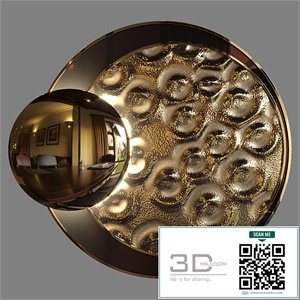
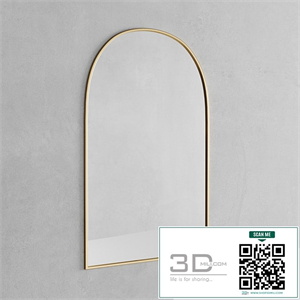
The design's *materiality* plays a crucial role in this interpretation. The choice of materials – whether it's highly polished *metal*, subtly textured *glass*, or even digitally rendered *surfaces* – fundamentally alters the nature of the reflection. A smooth, reflective surface creates a crisp, almost clinical image, while a textured surface produces a distorted, more *abstract* reflection, inviting the viewer to engage with the ambiguity.
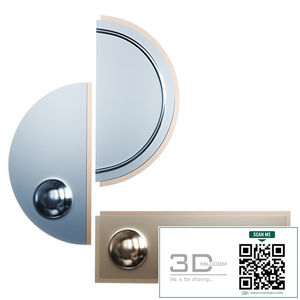
Furthermore, Mirror 11 engages with the concept of *double reflection*. This isn't simply about seeing a reflection within a reflection, but about layering meanings and interpretations. The design may incorporate multiple reflective surfaces, creating a *recursive* effect that challenges our understanding of space and perspective. It forces us to question what is real and what is a *representation*, blurring the lines between the observer and the observed.
The *ambient light* also plays a critical role. The reflection changes dramatically depending on the lighting conditions. A brightly lit environment will produce a vibrant, clear reflection, while a dimly lit space will create a more mysterious, shadowy effect. This dynamic interaction between light and reflection is central to the design's essence, emphasizing the *fluidity* and *changeability* inherent in the experience of reflection.
Part 2: Form and Function – The Architecture of Reflection
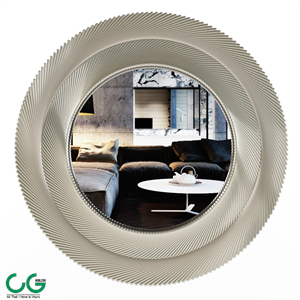
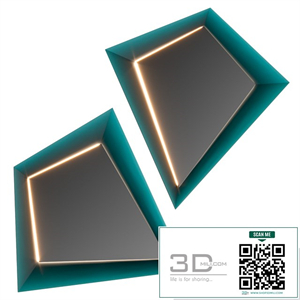
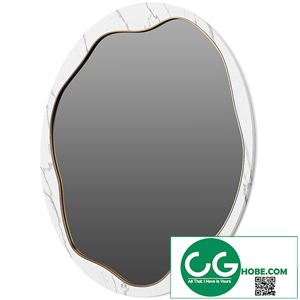
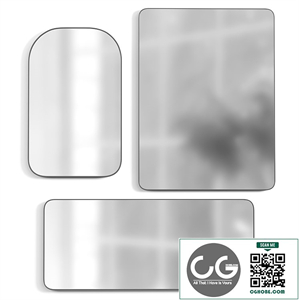
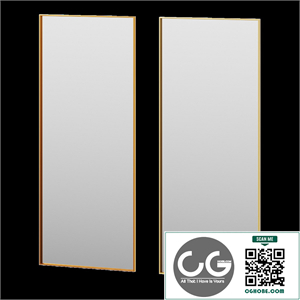
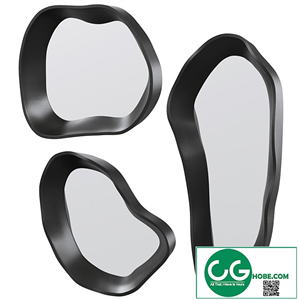
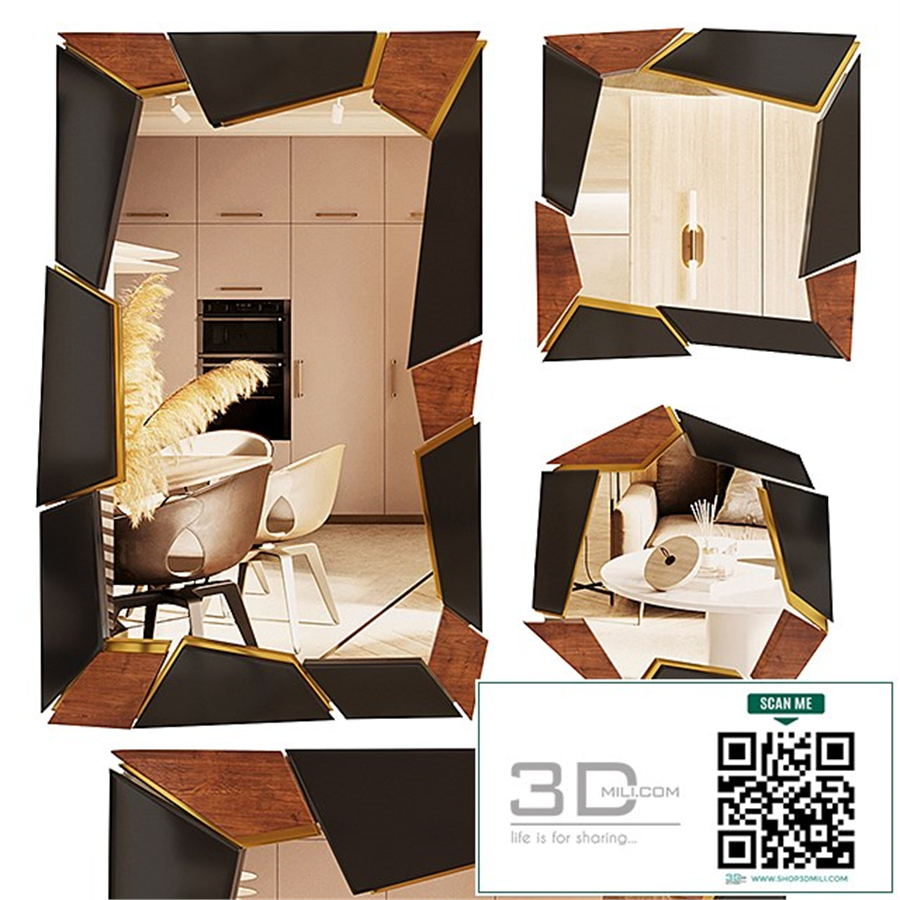
Mirror 11's *form* isn't arbitrary; it's carefully considered to enhance the reflective experience. The shape, size, and position of the reflective surfaces are all designed to manipulate and control the reflection, creating a specific visual and emotional impact. The design might utilize *geometric* precision, creating sharp, angular reflections, or embrace *organic* forms, producing softer, more fluid reflections.
The *functionality* of Mirror 11 is equally important. While it might initially appear purely aesthetic, its purpose extends beyond mere decoration. It might serve as a *functional element* within a space, such as a partition, a mirror, or an artistic installation. Its versatility allows for integration into various contexts, adapting to the specific requirements of the environment. The design's *adaptability* is a key factor, emphasizing its capacity to transcend specific applications.
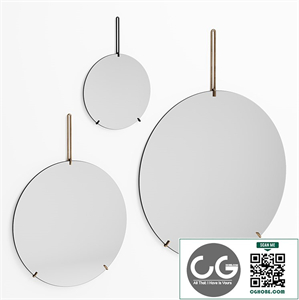
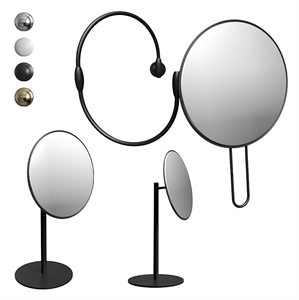
The *scale* of Mirror 11 is also a significant consideration. It can be a small, intimate object or a large-scale installation, drastically altering the viewer's experience. A small, hand-held version might encourage *personal reflection*, fostering introspection and self-awareness. A large-scale installation, on the other hand, could create a shared, communal experience, prompting interaction and dialogue among viewers.
The *interaction* with the viewer is a critical aspect of Mirror 11's functionality. It's not a passive object; it actively engages the viewer, inviting participation and interpretation. The shifting reflections, the play of light and shadow, and the ambiguous nature of the image itself encourage a dynamic, ever-evolving engagement.
Part 3: Beyond the Surface – The Symbolic and Metaphorical Dimensions
Mirror 11 transcends its purely visual aspects, venturing into the realm of *symbolism* and *metaphor*. The reflection itself becomes a metaphor for self-discovery, introspection, and the exploration of identity. The distorted or fragmented reflections can represent the complexities and ambiguities of self-perception.
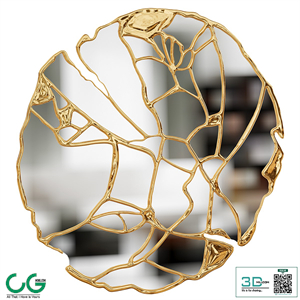
The design may incorporate other *symbolic elements*, enriching its narrative and enhancing its impact. The choice of materials, colors, and shapes can all contribute to the symbolic meaning, creating layers of interpretation. For example, the use of *broken* or *cracked* reflective surfaces could symbolize the fragility of self-image or the fractured nature of identity.
Mirror 11 invites the viewer to contemplate the relationship between *appearance* and *reality*. The reflection, though seemingly accurate, is ultimately a *representation*, a filtered version of reality. This raises questions about authenticity, perception, and the construction of identity. It challenges us to examine how we present ourselves to the world and how we perceive ourselves internally.
The *temporal element* is also important. The reflection is not static; it changes constantly with the movement of the viewer, the shifting light, and the passage of time. This underscores the ephemeral nature of self-perception and the ever-evolving nature of identity. The design's *dynamism* creates a sense of impermanence and encourages a contemplation of change.
Part 4: Applications and Implications – Reaching Beyond the Reflective Surface
The versatility of Mirror 11 extends its applications beyond the realm of art and design. Its principles could be integrated into *architecture*, *interior design*, and even *virtual reality*. In architecture, reflective surfaces could be used to create dynamic facades, transforming the building's appearance throughout the day. In interior design, it could be used to enhance the perception of space and light.
In the field of virtual reality, the principles of reflection could be employed to create more realistic and immersive experiences. The *digital rendering* of reflective surfaces could produce incredibly detailed and dynamic environments, blurring the lines between the virtual and the real.
Furthermore, Mirror 11's exploration of reflection has wider *philosophical implications*. Its engagement with self-perception, identity, and the nature of reality prompts deeper introspection and self-awareness. It encourages a critical examination of our assumptions and biases, fostering a more nuanced understanding of ourselves and the world around us.
In conclusion, Mirror 11 is a design that transcends its aesthetic qualities. It's a powerful statement on reflection, identity, and perception, inviting viewers to engage with its multifaceted nature on a visual, emotional, and intellectual level. Its potential applications are vast, extending beyond the immediate visual impact to embrace broader philosophical and experiential dimensions. The *legacy* of Mirror 11 will be its capacity to inspire further exploration of the rich and complex relationship between reflection and human experience.