## Neon Dreams: A Deep Dive into the Resurgence of Neon Design
Neon. The word itself evokes a potent cocktail of feelings: nostalgia for the vibrant 80s, a sense of futuristic energy, and an undeniable allure of bold, eye-catching aesthetics. For decades, *neon* has flickered on the fringes of design trends, sometimes relegated to kitschy roadside attractions or retro-themed establishments. But today, *neon* is experiencing a dramatic resurgence, redefining its place in contemporary visual culture and influencing everything from graphic design and fashion to architecture and interior spaces. This exploration delves into the multifaceted appeal of *neon*, examining its history, its current applications, and its enduring impact on the world of design.
Part 1: A Blast from the Past: The History of Neon
The story of *neon* isn't just a design narrative; it's a technological and artistic revolution. While the vibrant glow we associate with *neon* is often mistaken for the element itself, true *neon* lighting actually uses *rarefied neon gas*, producing a distinctive orange-red hue. This early form of illumination, developed in the late 19th and early 20th centuries, quickly captivated audiences with its mesmerizing brilliance. Early applications were primarily functional – advertising signs for businesses, illuminating streets and buildings. However, the sheer visual impact of *neon* transcended its practical purpose, becoming an integral part of the urban landscape and a powerful tool for artistic expression.
The *Art Deco* movement of the 1920s and 30s embraced the elegant lines and dazzling glow of *neon*, integrating it seamlessly into architectural designs and commercial signage. The distinctive curves and geometric forms of Art Deco complemented the inherent visual dynamism of *neon*, creating stunning and unforgettable displays. Think of the iconic imagery of glamorous Hollywood, where towering *neon* signs adorned movie palaces and nightclubs, adding a layer of magical allure to the entertainment industry.
The mid-20th century saw *neon*'s popularity explode, particularly in the post-war boom. Las Vegas, with its dazzling Strip, became synonymous with *neon* excess, a city where vibrant signs pulsed with energy, reflecting the optimistic and often flamboyant spirit of the era. This period solidified *neon's* association with entertainment, commercialism, and a specific kind of American cultural identity.
Part 2: The Modern Neon Renaissance: Beyond the Retro Aesthetic
While *neon's* association with retro aesthetics remains strong, its current resurgence transcends simple nostalgia. Contemporary designers are leveraging *neon's* inherent visual power in innovative and unexpected ways, moving beyond its traditional applications in signage and exploring a much broader creative palette.
*Graphic design* is embracing *neon* with gusto. Bright, bold *neon* colors are popping up in logos, website design, and marketing materials. The vibrant hues create a sense of energy and excitement, capturing attention and conveying a message with immediacy. This application utilizes *neon's* visual strength to break through the clutter of contemporary digital media.
*Fashion* is another area where *neon* is making a significant impact. From clothing and accessories to runway shows, *neon* accents add a touch of playful rebellion and striking visual interest. This application often blends retro aesthetics with contemporary silhouettes, creating a unique and dynamic visual language. The vibrancy of *neon* stands out against more subdued color palettes, allowing designers to create powerful and memorable pieces.
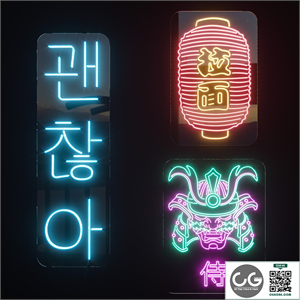
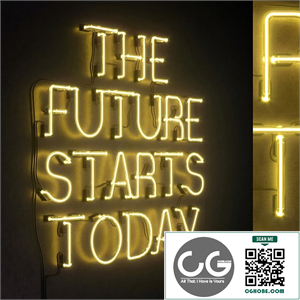
*Interior design* is also witnessing a *neon* revival. Subtle *neon* accents, such as illuminated wall art or decorative lighting, can add a touch of retro cool or futuristic flair to a space, without overwhelming the overall aesthetic. This use of *neon* demonstrates a level of sophistication, using the material not as a dominant feature but as a carefully considered stylistic element.
Furthermore, the *development of LED technology* has significantly broadened the possibilities of *neon* design. LEDs provide a more energy-efficient, durable, and versatile alternative to traditional *neon* gas tubes. This allows designers to create more complex designs, intricate patterns, and even animated light displays, taking the creative potential of *neon* to a whole new level. The range of colours available through LEDs also surpasses the limitations of traditional *neon*, opening up a broader spectrum of expressive possibilities.
Part 3: The Psychological Impact of Neon: Why It Resonates
The enduring appeal of *neon* isn't merely a matter of aesthetics; it taps into fundamental aspects of human psychology. The brightness and vibrancy of *neon* stimulate the visual system, creating a sense of excitement and energy. The color itself has a powerful psychological impact; different *neon* hues evoke different emotions and associations.
*Bright, saturated colours* like *neon* pink, orange, and yellow are often associated with feelings of happiness, optimism, and playfulness. They can evoke a sense of nostalgia for simpler times, tapping into childhood memories and feelings of carefree joy. This association is particularly relevant when *neon* is used in designs invoking retro aesthetics.
*Cooler tones*, such as *neon* blue and green, can convey a sense of calmness, sophistication, and even futurism. These colours are often used to create a more modern and less overtly retro aesthetic.
The *dynamic nature of *neon* lighting*, its ability to pulse, flicker, and change intensity, further contributes to its psychological impact. This movement captures attention and creates a sense of visual excitement, making *neon* a particularly effective tool for creating immersive and engaging experiences.
Part 4: The Future of Neon: Innovation and Sustainability
Looking forward, the future of *neon* design is bright. Continuous technological advancements, particularly in LED technology, are pushing the boundaries of what’s possible. We can expect to see more innovative applications of *neon*, from interactive installations and architectural lighting designs to personalized, customizable lighting solutions.
Sustainability is also becoming a key consideration. While traditional *neon* gas tubes have limitations in terms of energy efficiency, LED *neon* alternatives offer a much more environmentally friendly option. This is crucial for responsible design practices and ensures that the vibrant allure of *neon* can continue to shine for generations to come. The challenge lies in finding ways to preserve the iconic aesthetic of *neon* while embracing sustainable technologies. This requires a collaborative effort between designers, manufacturers, and consumers to ensure that the future of *neon* is both stylish and responsible.
In conclusion, the *neon* resurgence is far more than a simple trend. It’s a testament to the enduring power of a visually arresting medium, its ability to evoke strong emotional responses, and its adaptability to constantly evolving design landscapes. From its historical roots in Art Deco to its contemporary applications in diverse design fields, *neon* continues to illuminate our world, proving that sometimes the brightest ideas are those that never truly go out of style. The future of *neon* promises even more exciting possibilities, as technology and design continue to push the boundaries of creativity and innovation.