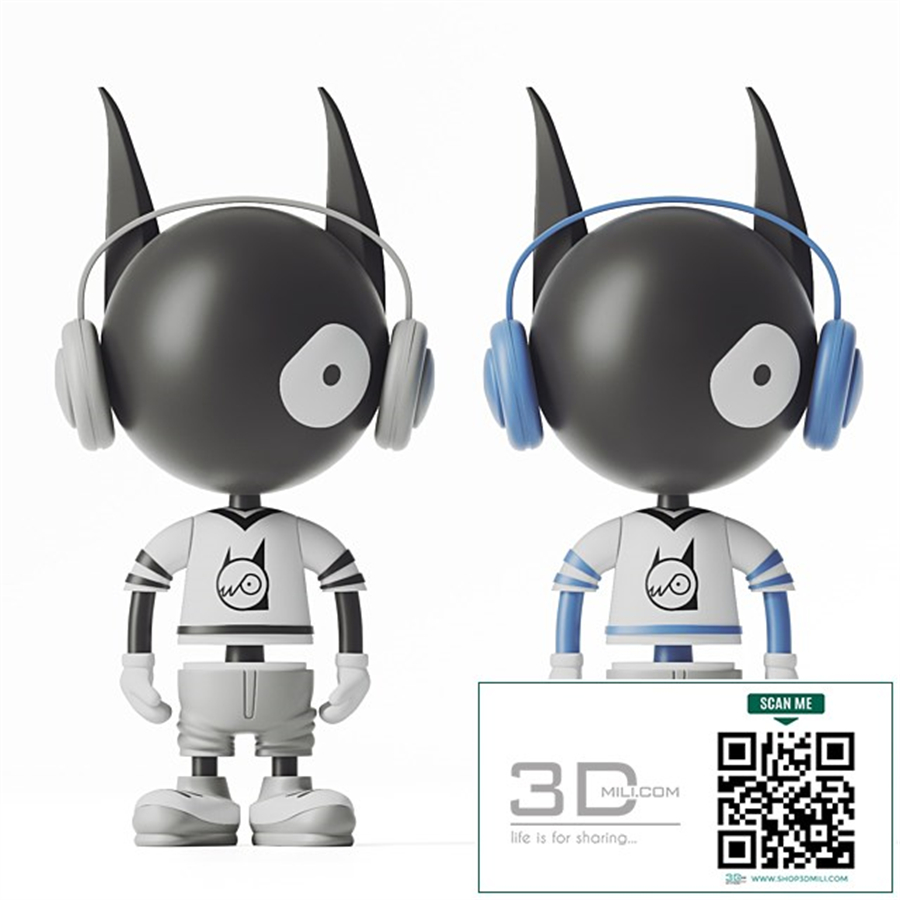
## The One-Eyed Boy: A Multifaceted Exploration of Design
The image of a *one-eyed boy* immediately evokes a complex tapestry of interpretations. It's a potent visual motif, capable of conveying a wide range of emotions and narratives depending on the specific design choices employed. This exploration delves into the potential meanings and applications of this imagery, analyzing its symbolic weight and the various design approaches that can be used to shape its final impact.
Part 1: Deconstructing the Symbolism
The *one-eyed boy*, at its most basic, is a departure from the norm. He represents *difference*, *uniqueness*, and *otherness*. This inherent deviance from the expected can be interpreted in countless ways, depending on the overall context and the stylistic choices made by the designer. Let's explore some key symbolic avenues:
* Vulnerability and Innocence: A *one-eyed boy* can immediately trigger feelings of *sympathy* and *empathy*. The missing eye can symbolize a loss of innocence, a vulnerability to the world, or even a physical or metaphorical impairment. The overall design can emphasize this vulnerability through soft colors, a melancholic pose, or a delicate rendering style. A *sad* or *pensive* expression can further strengthen this interpretation.
* Strength and Resilience: Conversely, a *one-eyed boy* can also represent *strength*, *resilience*, and the ability to overcome adversity. This interpretation leans into the idea of overcoming challenges and adapting to difficult circumstances. The design might depict the boy in an active pose, perhaps looking directly at the viewer with a *determined* gaze. Bold colors and sharp lines could emphasize this *inner fortitude*.
* Mysticism and Otherworldliness: The missing eye can be imbued with a *mystical* or *supernatural* significance. In some cultural contexts, a single eye is associated with wisdom, prophecy, or even supernatural abilities. The design might incorporate otherworldly elements, such as glowing eyes or fantastical surroundings, to enhance this mystical interpretation. *Ancient* symbols or *mythological* imagery could further solidify this association.
* Perspective and Vision: The missing eye can also be a *metaphor* for a different *perspective* or a *limited worldview*. This interpretation explores the idea of seeing the world differently, perhaps with a more profound understanding of certain truths hidden from those with 'perfect' vision. The design might use *abstract* elements to suggest this alternative viewpoint.
Part 2: Design Considerations: Style and Context
The effectiveness of a *one-eyed boy* design hinges heavily on the stylistic choices made by the artist. Several aspects must be considered:
* Style of Illustration: The style greatly impacts the message. A *realistic* portrayal might evoke stronger emotions of *sympathy* or *sadness*, while a *cartoonish* or *stylized* representation could lead to a more whimsical or even humorous interpretation. *Abstract* styles could focus on conveying emotion through color and form rather than realistic detail. Consider also *graphic novel* styles, *surrealism*, or even *pop art* influences.
* Color Palette: The choice of colors is crucial. *Darker* colors like blues and greys can evoke feelings of *melancholy* and *mystery*, while brighter colors like yellows and oranges might suggest *optimism* and *resilience*. A *monochromatic* scheme could emphasize a particular feeling or mood.
* Composition and Framing: The way the boy is positioned within the frame also impacts the meaning. A close-up shot might emphasize intimacy and vulnerability, while a wider shot might contextualize the boy within a larger narrative. The *placement* of the eye (or lack thereof) is critical; is it obscured, emphasized, or implied?
* Surrounding Elements: The elements surrounding the *one-eyed boy* provide essential context. A desolate landscape might amplify feelings of loneliness, while a vibrant, bustling environment could emphasize resilience and adaptation. The inclusion of *symbols*, *objects*, or *other characters* dramatically alters the narrative.
Part 3: Applications and Potential Uses
The versatility of the *one-eyed boy* image lends itself to various applications:
* Children's Book Illustration: The image could be used to explore themes of *difference*, *acceptance*, and *self-love*. The design would need to be age-appropriate and avoid potentially triggering imagery. A *gentle*, *approachable* design is essential.
* Graphic Novel/Comic Book Art: The *one-eyed boy* could be a central character with a complex backstory and unique abilities. The stylistic choices would likely lean towards a more dynamic and expressive style.
* Logo Design: A stylized version could be used for a company aiming to communicate themes of *vision*, *innovation*, or *uniqueness*. The design would need to be memorable, concise, and easily recognizable.
* Fine Art: The image could be used to explore complex themes of *identity*, *loss*, and *humanity*. The artist could utilize a variety of techniques to convey a specific emotional impact.
* Social Commentary: The *one-eyed boy* could serve as a powerful symbol for *marginalization*, *exclusion*, or *social injustice*. The design should be provocative and thought-provoking, prompting reflection and discussion.
Part 4: Ethical Considerations
It's crucial to approach the design of a *one-eyed boy* with sensitivity and awareness. Care must be taken to avoid perpetuating harmful stereotypes or contributing to negative perceptions of people with disabilities. The design should aim to be respectful, empowering, and avoid any unintentional offensive portrayal. It is essential to consider the potential impact on the viewer and strive to create a design that is both visually compelling and ethically sound. Consulting with relevant communities and experts can be invaluable in ensuring responsible and respectful representation.
In conclusion, the *one-eyed boy* is a rich and multifaceted image with a diverse range of potential interpretations. By carefully considering the symbolism, design elements, and ethical implications, designers can create impactful and meaningful visuals that engage audiences and spark dialogue. The key lies in understanding the subtleties of the imagery and utilizing design techniques to guide the viewer's interpretation towards a desired message, while always remaining sensitive and respectful of the potential implications.