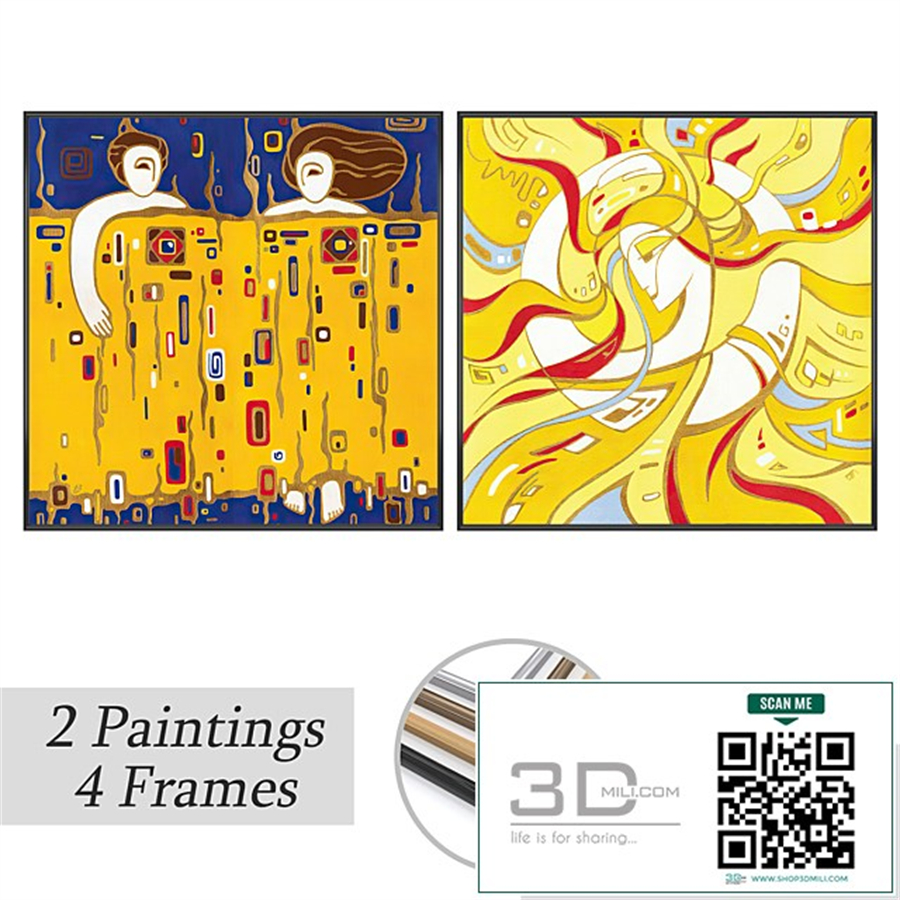
## The Enduring Allure of Paintings: A Deep Dive into Artistic Expression
Paintings, across cultures and throughout history, have served as powerful tools of communication, storytelling, and emotional expression. From the earliest cave *paintings* to the intricate canvases of contemporary artists, the medium has consistently captivated audiences and pushed the boundaries of artistic innovation. This exploration delves into the multifaceted world of *paintings*, examining their history, techniques, significance, and enduring impact on human society.
Part 1: A Journey Through Time: The Evolution of Painting Techniques and Styles
The history of *paintings* is a rich tapestry woven with diverse threads of cultural influences, technological advancements, and evolving artistic philosophies. Early examples, such as the stunning *cave paintings* of Lascaux and Chauvet, provide invaluable insights into the artistic capabilities of our ancestors. These *paintings*, created using natural pigments and simple tools, depict scenes of hunting, animals, and abstract symbols, revealing the primal urge to create and communicate through visual means.
The evolution of *paintings* continued with the development of new materials and techniques. The ancient Egyptians mastered the art of *fresco painting*, applying pigments to wet plaster, creating vibrant and enduring wall *paintings*. The Greeks and Romans further refined painting techniques, experimenting with *encaustic painting*, which involved applying pigments mixed with hot wax, resulting in richly textured and luminous surfaces.
The medieval period witnessed the flourishing of *religious paintings*, primarily in the form of *illuminated manuscripts* and *altarpieces*. These *paintings*, often rendered in vibrant gold leaf and meticulous detail, served as powerful tools for religious instruction and devotion. The Byzantine style, characterized by its stylized figures and flat perspectives, exerted a significant influence on the development of European *paintings* for centuries.
The Renaissance marked a pivotal moment in the history of *paintings*. Artists like *Leonardo da Vinci*, *Michelangelo*, and *Raphael* revolutionized the art form, employing techniques like *perspective* and *chiaroscuro* to create realistic and emotionally resonant *paintings*. Their mastery of anatomy, composition, and the use of light and shadow profoundly impacted the development of Western art.
The Baroque period, known for its dramatic use of light and shadow, produced masterpieces characterized by dynamism, emotion, and opulent detail. Artists like *Caravaggio* and *Rembrandt* utilized *tenebrism*, a technique emphasizing stark contrasts between light and dark, to heighten the emotional impact of their *paintings*.
The rise of Impressionism in the 19th century signaled a radical departure from traditional artistic conventions. Artists like *Claude Monet*, *Pierre-Auguste Renoir*, and *Edgar Degas* embraced *plein air painting*, capturing the fleeting effects of light and atmosphere in their *paintings*. Their focus on capturing subjective impressions, rather than precise representations of reality, paved the way for the development of many subsequent modern art movements.
Part 2: The Medium: Exploring the Materials and Techniques of Painting
The creation of a *painting* is a complex process involving a careful selection of *materials* and the skillful application of various *techniques*. Understanding these aspects is crucial for appreciating the artistry and craftsmanship involved in each *painting*.
One of the most fundamental choices an artist makes is the *support* for the *painting*. This could range from canvas stretched over a frame, to wood panels, paper, or even walls in the case of *murals*. The choice of *support* often influences the painting's final appearance and durability.
*Pigments*, the colored powders that give *paintings* their hues, are another crucial element. These pigments are derived from various sources, both natural and synthetic, and each possesses unique properties in terms of their vibrancy, opacity, and lightfastness.
*Binders*, substances that hold the pigments together, are essential for creating a stable and cohesive paint layer. Common binders include *oil*, *egg yolk* (in *tempera painting*), *water* (in *watercolor painting*), and *acrylic resins*. The choice of binder influences the paint's viscosity, drying time, and overall texture.
The *application techniques* employed by artists are as varied and diverse as the *paintings* themselves. From the delicate brushstrokes of a *watercolor painting* to the bold impasto techniques of an *oil painting*, the method of application significantly impacts the final appearance and texture of the artwork. Other techniques like *spattering*, *sgraffito*, and *collage* add further layers of complexity and visual interest to *paintings*.
Part 3: The Significance and Impact of Paintings
Beyond their aesthetic value, *paintings* have played a profound role in shaping human history and culture. They serve as invaluable historical records, preserving glimpses into past societies, beliefs, and events. *Paintings* can offer insights into the daily lives of people from different eras, documenting their clothing, architecture, customs, and social interactions. They can also reflect the prevailing artistic styles, ideologies, and social currents of their time.
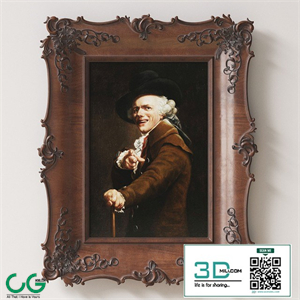
*Religious paintings* have often served as powerful tools of religious instruction and devotion, communicating complex theological concepts through visual narratives. *Portrait paintings* have immortalized individuals, capturing their physical likeness and often revealing aspects of their personality, social status, and inner life. *Landscape paintings* have celebrated the beauty of the natural world, inspiring awe and wonder in viewers. *Still life paintings* have explored the ephemeral nature of existence, while *genre paintings* have captured scenes of everyday life, often with a satirical or social commentary.
*Paintings* have also served as potent tools for social and political commentary, conveying messages of protest, resistance, and social justice. Throughout history, artists have used their work to challenge societal norms, critique power structures, and advocate for social change. The power of a *painting* to evoke emotion, spark dialogue, and inspire action is undeniable.
The impact of *paintings* extends beyond their initial creation and viewing. They become objects of study and analysis for art historians, curators, and critics, inspiring further research and interpretation. The *paintings* of masters like *Van Gogh*, *Picasso*, and *Monet* continue to captivate and inspire artists and audiences worldwide, their influence reverberating through generations.
In conclusion, *paintings* are more than just aesthetically pleasing objects; they are powerful expressions of human creativity, ingenuity, and emotion. From the earliest *cave paintings* to contemporary masterpieces, *paintings* have chronicled human history, reflected cultural values, and served as catalysts for social change. Their enduring appeal testifies to the universal human need for artistic expression and the profound ability of *paintings* to communicate meaning across time and cultures. The ongoing evolution of *painting* techniques and artistic styles ensures that this vital art form will continue to captivate and inspire for centuries to come.