## Photorealistic Ficus Lyrata Pot 150cm 3D Model: A Deep Dive into Design and Application
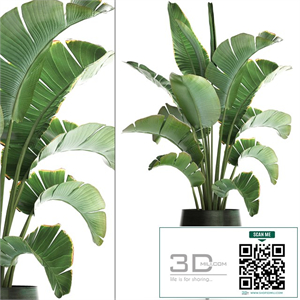
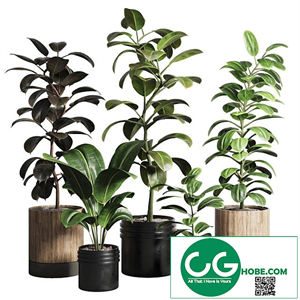
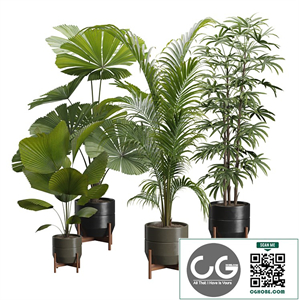
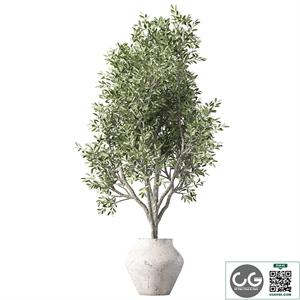
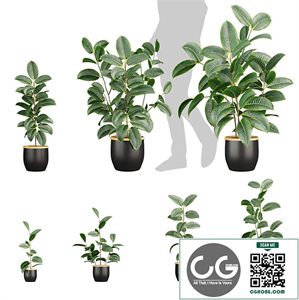
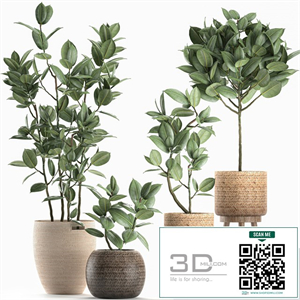
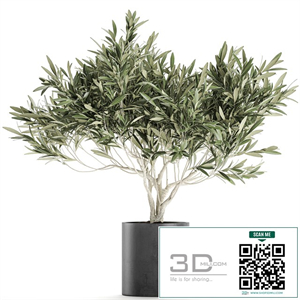
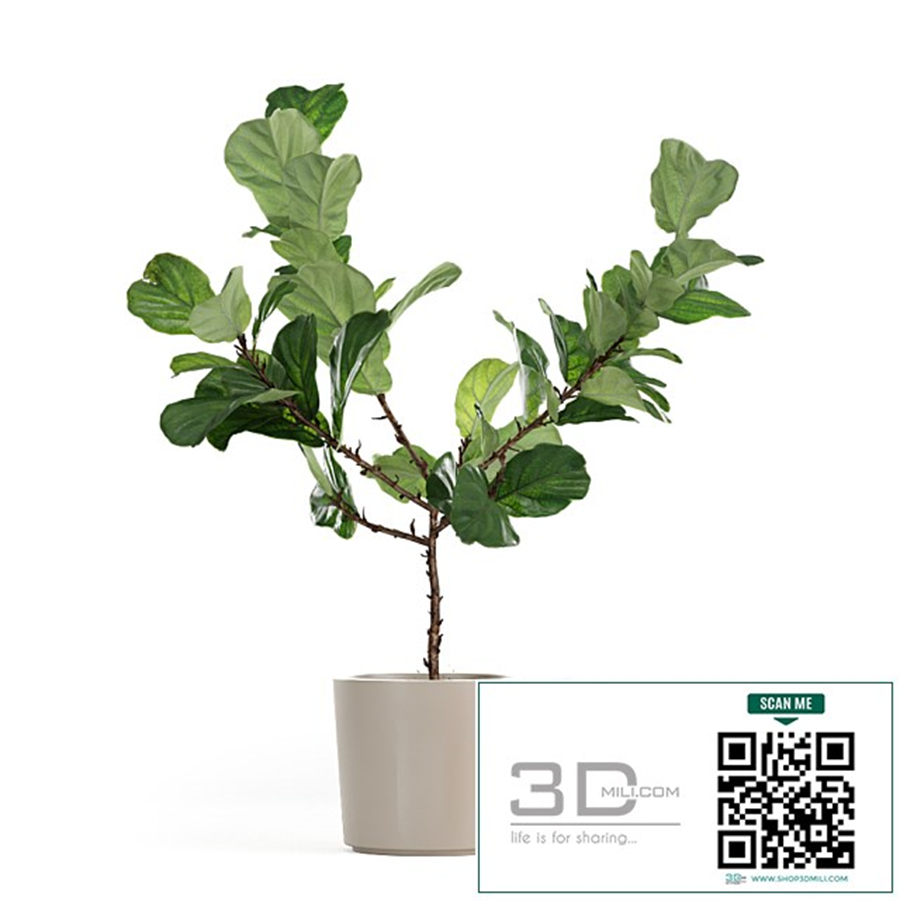
This document provides a comprehensive overview of a photorealistic 3D model of a *Ficus Lyrata* (fiddle-leaf fig) in a pot, standing 150cm tall. We will explore the design process, the technical specifications, potential applications, and the advantages of using such a high-fidelity digital asset.
Part 1: The Design Philosophy – Achieving Photorealism
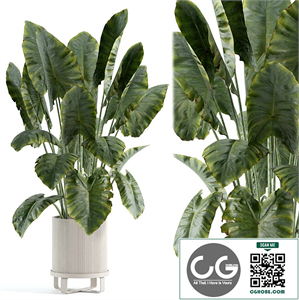
The creation of this *150cm Ficus Lyrata 3D model* demanded a meticulous approach, prioritizing photorealism above all else. This wasn't simply about creating a visually appealing rendering; it was about achieving a level of detail and accuracy that would convincingly mimic the appearance and texture of a real plant. This involved several key considerations:
* High-resolution textures: The model utilizes extremely high-resolution textures for both the plant and the pot. This ensures that even upon close inspection, the details are crisp and believable. Every leaf’s individual *vein structure*, the subtle *variations in color* and *shade*, and even the *minute imperfections* on the leaf surface are meticulously represented. Similarly, the pot's texture, whether it’s ceramic, concrete, or wood, is recreated with accurate material properties, capturing *surface roughness*, *reflectivity*, and *subtle discoloration*.
* Accurate plant morphology: The *Ficus Lyrata's* distinctive leaf shape, branching pattern, and overall growth habit are faithfully recreated. This required extensive research into the plant's biology, consulting botanical references to ensure anatomical correctness. The *leaf arrangement*, the *thickness of the stem*, and the subtle curves and bends of the branches all contribute to the model's authenticity.
* Realistic lighting and shading: The lighting conditions significantly impact the overall realism of the render. We employed advanced *physically-based rendering (PBR)* techniques to accurately simulate the interaction of light with the plant and pot's surfaces. This includes realistic *specular highlights*, *diffuse reflections*, and *ambient occlusion*, all of which add depth and believability. The model responds dynamically to changes in lighting, providing flexibility for various applications.
* Detailed geometry: The model’s *polycount* is optimized for high detail without sacrificing performance. This means a balance between complexity and efficiency, ensuring smooth rendering even in demanding environments. High-polygon count allows for intricate details in the leaves, branches, and pot, while efficient topology ensures smooth animation and renders without significant lag.
* Material fidelity: Beyond texture, the *materials* themselves are crucial. We've employed realistic material properties to replicate the way light interacts with different surfaces. For example, the leaves have a specific *translucency*, allowing light to penetrate slightly, creating a natural look. The pot's material properties – roughness, reflectivity, and subsurface scattering – are precisely defined to faithfully represent the chosen material.
Part 2: Technical Specifications and File Formats
The *Ficus Lyrata 3D model* is optimized for use in a variety of software applications. The technical specifications are as follows:
* Dimensions: 150cm (H) – accurately scaled to represent a real-life plant. Precise dimensions are available in the accompanying documentation.
* Polycount: [Specify polycount, e.g., High-poly model: 5 million polygons; Low-poly model: 500,000 polygons] – multiple levels of detail (LODs) may be included for optimal performance.
* File Formats: The model is available in various popular formats, including: *.fbx*, *.obj*, *.gltf*, *.blend* (Blender), *.max* (3ds Max), etc. [Specify exact formats available]. This ensures compatibility across a broad range of 3D software packages.
* Texture Resolution: [Specify resolution, e.g., 4K textures (4096 x 4096 pixels) for the plant and pot].
* Mapping: [Specify mapping type, e.g., UV mapped for efficient texture application].
* Rigging and Animation: [Specify if rigging and animation are included, e.g., The model may include basic rigging for animation purposes, allowing for subtle leaf movement and swaying based on wind simulation.]
The accompanying documentation provides detailed information on the model's structure, materials, and usage instructions.
Part 3: Applications and Use Cases
This photorealistic *Ficus Lyrata 3D model* offers a wide range of applications across various industries:
* Architectural Visualization: Incorporate the model into architectural renderings to add realistic greenery and enhance the visual appeal of interior spaces. Its *realistic scale* makes it perfect for showcasing the plant's presence within a designed environment.
* Game Development: High-quality assets like this contribute to immersive and believable game environments. The model's optimized geometry and detailed textures ensure smooth performance even in demanding game engines. Its *size* and detail make it an ideal prop for a variety of games, ranging from realistic simulations to stylized environments.
* Virtual and Augmented Reality (VR/AR): Create highly immersive VR and AR experiences with this realistic plant model. Its photorealism adds to the sense of presence and believability in virtual environments.
* E-commerce and Product Visualization: Use the model to showcase pots and planters in an online store or catalog. The realistic depiction helps customers visualize the product in their own spaces. The *150cm height* can be useful for demonstrating the size and scale of the planter alongside other items.
* Film and Animation: Integrate the *Ficus Lyrata* into film or animation projects to add realistic botanical details to scenes. The model's detailed geometry and realistic textures allow seamless integration into high-fidelity scenes.
* Education and Training: Utilize the model for educational purposes, creating realistic botanical simulations or virtual field trips. The *accuracy* of the model makes it suitable for scientific visualization and educational applications.
* Interior Design: Present realistic renders of interior spaces featuring the *Ficus Lyrata* to clients, helping them visualize the final design.
* Marketing and Advertising: Use the model for high-quality marketing materials and advertisements, showcasing the product or design in a realistic and engaging way.
Part 4: Advantages of Using a 3D Model
Opting for a 3D model over a real plant offers numerous advantages:
* Cost-effectiveness: Using a 3D model eliminates the costs associated with sourcing, transporting, maintaining, and disposing of a real plant.
* Flexibility and Control: Easily modify the model, adjust its lighting, and integrate it into various scenes without any physical limitations.
* Repeatability and Consistency: Produce identical high-quality renders repeatedly without the variability inherent in working with real plants.
* Scalability: Easily scale the model to fit different environments without any loss in detail. The *150cm height* is not set in stone – the model can be easily resized.
* Time Savings: Reduce time and effort by using a pre-made model, allowing designers and artists to focus on other aspects of their project.
* Environmental Friendliness: Avoid the environmental impact associated with growing, transporting, and disposing of real plants.
In conclusion, this photorealistic *150cm Ficus Lyrata 3D model* represents a significant investment in quality and detail, making it a versatile and valuable asset across a multitude of applications. Its accuracy, detail, and compatibility across diverse platforms make it a highly effective tool for professionals and hobbyists alike.