## The Enduring Appeal of *Pikachu*: A Design Deep Dive
Pikachu, the iconic Electric Mouse Pokémon, transcends its origins as a video game character to become a global phenomenon. Its design, seemingly simple at first glance, holds a surprising depth and complexity that has ensured its enduring popularity for over two decades. This exploration will delve into the various facets of Pikachu's design, examining its visual elements, its cultural impact, and its lasting legacy on the world of character design.
Part 1: The Visual Language of *Pikachu*
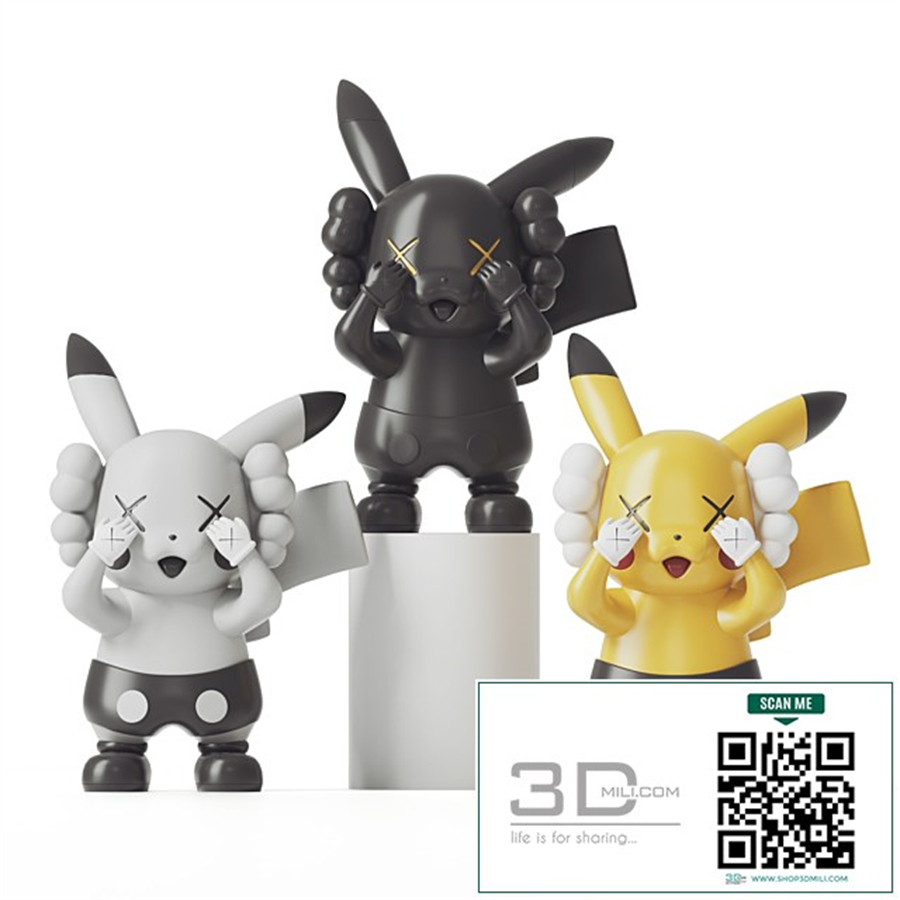
At the heart of Pikachu's success lies its clever and effective visual design. While seemingly simplistic, its features are carefully crafted to evoke specific emotions and resonate with a broad audience, particularly children. The roundness of its body, its large, expressive eyes, and its tiny, slightly stubby limbs contribute to an overall impression of *cuteness* and *innocence*. This is a cornerstone of its appeal, instantly making it endearing to viewers of all ages.
The color palette is equally crucial. The vibrant _yellow_ of its fur immediately draws the eye, creating a sense of energy and positivity. This is complemented by the contrasting _black_ markings on its ears and cheeks, adding definition and visual interest without detracting from its overall cuteness. The small, _red_ circles on its cheeks, often interpreted as blush, further enhance its charming and approachable nature. These carefully chosen colors are not just aesthetically pleasing; they are strategically deployed to maximize visual impact and memorability.
The simplicity of its design also contributes to its versatility. The basic shapes – circles, ovals, and triangles – are easy to reproduce, making _Pikachu_ easily adaptable to various media, from video games and animation to merchandise and clothing. This adaptability is a key factor in its widespread presence and recognition across different platforms.
Furthermore, the subtle details in Pikachu's design add layers of personality. The slight curve of its tail, the way its ears perk up when it's alert, and the subtle movements of its small, twitching nose all contribute to a sense of life and character. These minor details, often overlooked, are precisely what elevates Pikachu from a simple cartoon character to a truly memorable and beloved icon. The careful attention to these nuances exemplifies the power of effective character design.
Part 2: *Pikachu*'s Cultural Impact and Global Recognition
Beyond its appealing visual design, _Pikachu_'s success is inextricably linked to its integration into the broader cultural landscape. As the mascot of the *Pokémon* franchise, it has become synonymous with the brand itself, acting as a powerful marketing tool and a global symbol of childhood joy and nostalgia. Its presence in countless video games, anime series, trading cards, and merchandise has ensured its constant visibility and solidified its position as one of the most recognizable characters in the world.
The success of the *Pokémon* franchise is, in large part, attributed to _Pikachu_'s universal appeal. Its simplistic yet endearing design easily transcends cultural boundaries, making it relatable to children and adults worldwide. This ability to connect with a global audience is a testament to the effectiveness of its design and the power of simple, relatable characters.
_Pikachu_ has also become a powerful symbol of fandom and community. The intense loyalty and passion surrounding the *Pokémon* franchise, and _Pikachu_ in particular, have given rise to a vibrant and extensive fanbase. This community actively participates in creating and sharing fan art, merchandise, and content, further solidifying _Pikachu_'s cultural significance and its enduring presence in popular culture. The fan-driven creativity surrounding the character demonstrates its ability to spark imagination and inspire connection among people.
Part 3: The Evolutionary Design of *Pikachu*: From Simple to Iconic
While its core design has remained consistent over the years, _Pikachu_'s visual representation has undergone subtle evolutions throughout the franchise's lifespan. These subtle changes reflect technological advancements in animation and gaming, but they also reflect a deeper understanding of the character and its relationship with its audience.
Early depictions of _Pikachu_ in the original *Pokémon* video game were simpler, with less refined details. However, as the franchise progressed and animation techniques improved, so did the level of detail and nuance in _Pikachu_'s portrayal. The character's expressiveness has become more refined, allowing for a wider range of emotions and nuanced interactions. These subtle changes, while often barely perceptible, contribute to the character's overall evolution and its continued relevance.
The consistency in the core design, however, has been crucial to maintaining its recognition and appeal. While the style of animation may have evolved, the fundamental elements of _Pikachu_'s design – its yellow fur, black markings, red cheeks, and characteristically mischievous expression – have remained largely consistent. This consistency has ensured that the character remains instantly recognizable across different generations of fans and media.
This balance between evolution and consistency is a crucial aspect of _Pikachu_'s enduring success. It demonstrates the importance of carefully managing a character's visual identity to maintain its appeal while adapting to changing trends and technological advancements. This approach serves as a model for effective long-term character development.
Part 4: *Pikachu*'s Legacy and Lasting Influence on Character Design
_Pikachu_'s influence extends far beyond the *Pokémon* franchise. Its simple yet effective design has served as inspiration for countless other characters, influencing trends in character design and shaping the visual aesthetics of numerous cartoons, video games, and animated features. The character's success underscores the importance of simplicity, memorability, and emotional resonance in effective character creation.
The enduring popularity of _Pikachu_ highlights the power of effective character design in building strong brands and fostering global fan communities. Its ability to transcend cultural and linguistic barriers demonstrates the universal appeal of carefully conceived and well-executed character aesthetics. The lessons learned from _Pikachu_'s design can inform the creation of future iconic characters, emphasizing the importance of simplicity, emotional connection, and consistent brand identity. Its legacy is not merely a collection of merchandise and media appearances, but a testament to the art of crafting a truly beloved and enduring character. The continued love for _Pikachu_ serves as a powerful example of what can be achieved with a thoughtfully designed and carefully nurtured character. The design continues to inspire new artists and animators, proving its timeless appeal and ongoing relevance in the world of character design.