## The Enduring Elegance of Pine: A Deep Dive into Design and Application
Pine, with its rich history and versatile nature, has long held a prominent place in the world of design. From rustic cabins to sophisticated modern interiors, the *versatility* of pine allows it to seamlessly integrate into a vast range of aesthetic styles. This exploration delves into the multifaceted world of pine, examining its *characteristics*, *applications*, and enduring appeal in contemporary design.
Part 1: Understanding the Nature of Pine
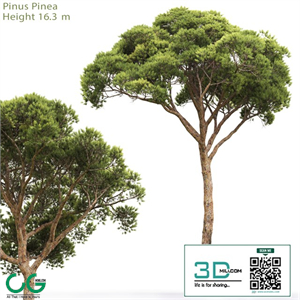
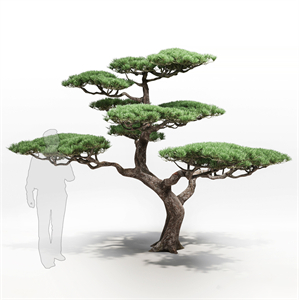
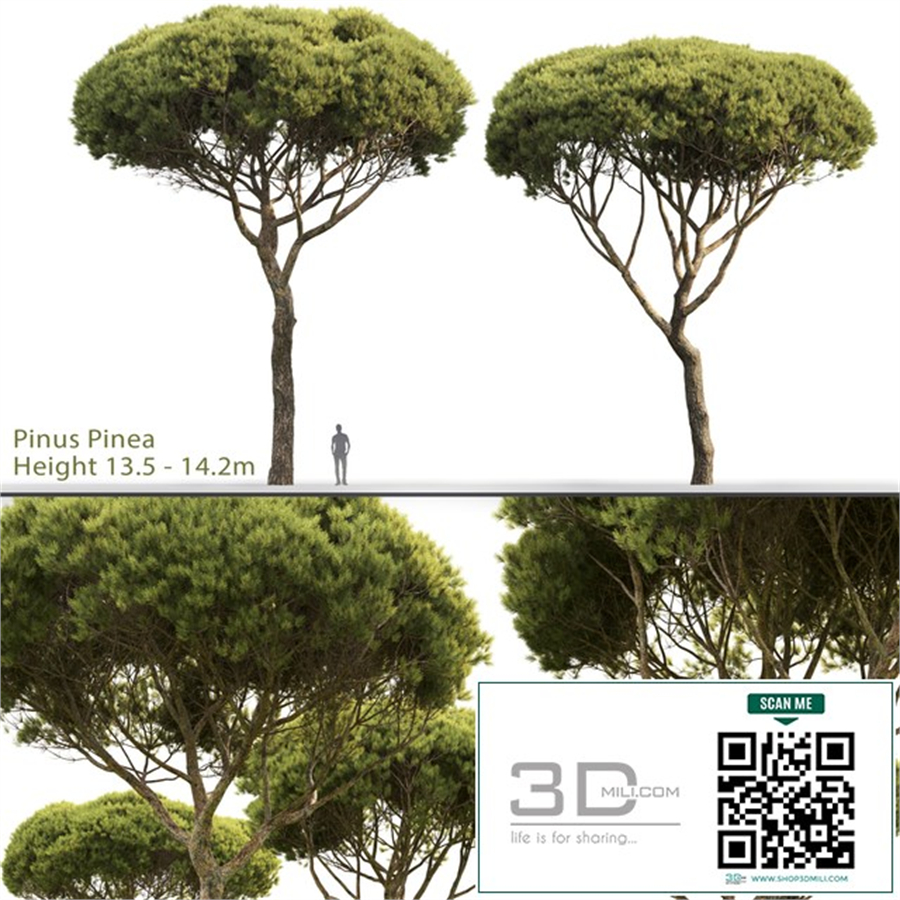
Pine, belonging to the genus *Pinus*, encompasses a diverse family of evergreen coniferous trees. Its *global distribution* is extensive, with species thriving across various climates and terrains. This broad reach contributes to the availability of pine lumber, making it a comparatively *affordable* and *accessible* material. However, it's crucial to understand that not all pine is created equal. The *specific species* of pine significantly influences its properties, impacting its suitability for particular design applications. For instance, *Eastern White Pine* is known for its softness and ease of working, making it ideal for intricate carvings and delicate joinery. In contrast, *Ponderosa Pine*, with its denser grain and greater strength, is better suited for structural applications and outdoor furniture.
The *grain pattern* of pine is another key characteristic. Its often straight, even grain lends itself to a clean, uncluttered aesthetic, while some species exhibit more pronounced knots and variations, creating a more rustic and textured appearance. The *color* of pine, typically ranging from pale yellow to reddish-brown, is naturally warm and inviting. This warm tone can contribute significantly to the overall ambiance of a space. The *natural variations* in color and grain provide a unique character to each piece of pine, enhancing its appeal and contributing to its inherent beauty. Furthermore, pine’s *workability* is another defining feature, making it a favorite among woodworkers and designers alike. Its relative softness makes it easy to cut, shape, and finish, allowing for a wide range of design possibilities.
Part 2: Pine in Architectural Design
Pine's presence in architectural design is deeply rooted in its history. Throughout centuries, *pine lumber* has served as a fundamental building material, forming the framework of homes, barns, and other structures. Its *strength-to-weight ratio*, while not as high as some hardwoods, makes it a suitable choice for load-bearing applications in many constructions. Today, pine continues to hold its own in modern architecture, appearing in various applications:
* Structural Elements: While often used for less demanding structural components, pine can be effectively used in framing, flooring, and even roofing in certain designs. Its *cost-effectiveness* makes it an attractive option for larger projects.
* Interior Finishes: Pine is a popular choice for *wall paneling*, *wainscoting*, and *ceiling beams*. Its warm tones create a cozy and inviting atmosphere, complementing both traditional and modern interiors. The natural beauty of the *wood grain* can be enhanced through various finishing techniques, from simple clear coats to more elaborate staining and distressing processes.
* Flooring: Pine *flooring* offers a classic and timeless aesthetic. Its durability and relative ease of maintenance make it a practical choice for high-traffic areas. The variety of *finishes* available allows for customization to suit diverse design preferences.
* Exterior Applications: Certain species of pine, due to their *durability* and natural resistance to decay, are also suitable for exterior applications. *Pine cladding* and *decking* are increasingly popular choices, adding warmth and texture to outdoor spaces. Proper treatment with preservatives enhances its longevity and resistance to the elements.
Part 3: Pine in Furniture Design
Pine's versatility shines brightly in the world of furniture design. Its *malleability*, coupled with its affordability, allows designers to create a wide array of pieces, ranging from rustic farmhouse tables to sleek modern chairs.
* Traditional Styles: Pine is a cornerstone of traditional furniture design. Its natural warmth and ability to accept various stains and finishes make it ideal for replicating antique styles, from *Victorian* to *Shaker*. The rich grain and natural variations can be emphasized through simple finishes, highlighting the *rustic charm* of the wood.
* Modern Applications: Contrary to its association with traditional designs, pine is also finding its place in contemporary furniture design. Its light color palette makes it a versatile backdrop for bolder design choices and colorful upholstery. Clean lines and minimalist designs perfectly showcase the natural beauty of pine's *grain*, allowing its innate elegance to speak for itself.
* Custom Designs: The *workability* of pine makes it an excellent material for custom furniture pieces. Its ability to be easily carved, shaped, and sculpted allows for the creation of unique and personalized pieces that cater to individual preferences and design visions.
Part 4: Sustainable Considerations and Future Trends
The increasing emphasis on *sustainability* in design necessitates a closer look at the sourcing and ethical production of pine. Responsible forestry practices are crucial to ensure the long-term availability of this valuable resource. Choosing *certified sustainable pine* is a critical step in supporting environmentally conscious design. The use of *reclaimed pine* is another avenue for promoting sustainable practices, giving new life to old materials and reducing the demand for newly harvested timber.
Looking ahead, the use of pine in design is poised for continued growth. Innovative techniques in *finishing* and *treatment* are enhancing its durability and resistance to damage. The *natural beauty* of pine continues to resonate with designers and consumers alike, ensuring its enduring presence in the design landscape. Further exploration into the *properties* of different pine species, coupled with a focus on sustainable practices, will shape the future of pine’s role in the ever-evolving world of design. From innovative architectural applications to bespoke furniture pieces, pine's adaptable nature guarantees its continued relevance for generations to come. Its inherent warmth, coupled with its versatility and sustainability potential, firmly secures its place as a timeless material in the world of design.